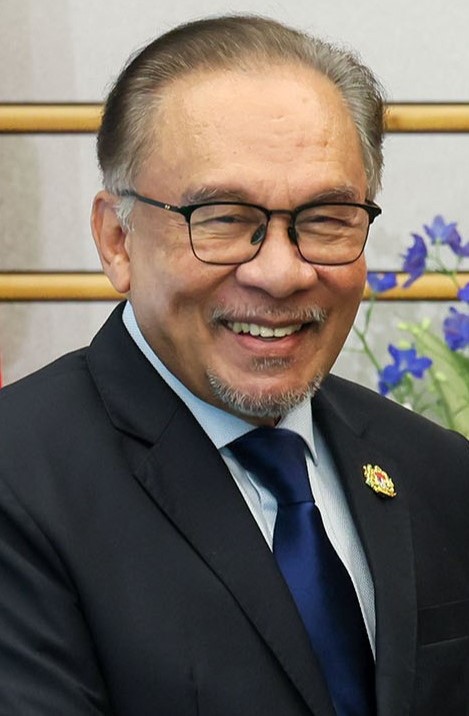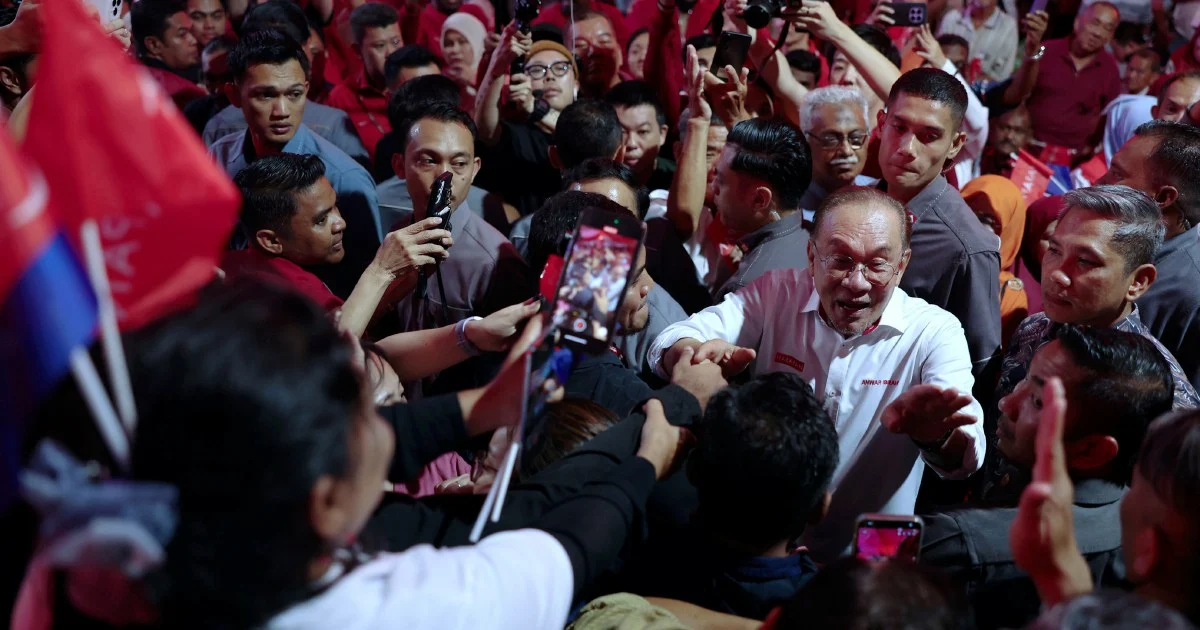
Pakatan Harapan's push to wrest control of Johor from Barisan Nasional took concrete form at a rally in Tangkak today, where coalition chairman Datuk Seri Anwar Ibrahim formally presented the full lineup of 56 candidates who will contest the July 11 state election. The announcement represents a pivotal moment in Malaysia's ongoing political realignment, as the three-party coalition seeks to extend its reach beyond federal governance into one of the country's most politically significant states.
Johor's strategic importance to the broader Malaysian political landscape cannot be overstated. As the nation's second-largest state by population and a traditional bastion of Barisan Nasional support, any shift in its electoral leanings would reshape the country's political geography. The unveiling of PH's candidate slate signals the coalition's confidence in mounting a credible challenge to the incumbent administration that has governed the state for decades. The campaign comes at a time when Malaysia's political pendulum continues swinging between competing visions for governance and reform.
The coalition's candidate selection process reflects careful deliberation about which personalities and combinations might resonate with Johor voters. Beyond the headline figure of Anwar himself, the specific composition of nominees reveals calculations about regional dynamics, demographic shifts, and the relative standing of PH's component parties within the broader alliance. Each of the 56 selected candidates carries implicit messaging about the coalition's priorities and its assessment of which constituencies represent winnable territory.
Pakatan Harapan's pathway to power in Johor differs markedly from the circumstances that brought the coalition to federal power in 2018. Then, a unified opposition benefited from widespread dissatisfaction with the previous administration and significant Chinese and Indian community support. Sustaining and building upon that coalition in a state election environment demands renewed connection with voters and demonstration of delivery on earlier promises. The selection of candidates must therefore balance continuity with renewal, experience with fresh energy.
Johor's political composition presents both opportunities and obstacles for the opposition alliance. The state encompasses diverse constituencies with varying demographic profiles, from industrial heartlands near the Klang Valley to rural areas with agricultural traditions. The 56-candidate slate must therefore represent sufficient geographic breadth and cultural sensitivity to appeal across these different communities. The coalition's ability to present a unified front, despite comprising parties with sometimes competing interests, remains crucial to electoral success.
Barisan Nasional's entrenched institutional advantages in Johor should not be discounted. The ruling coalition commands substantial resources, established machinery, and the incumbency factor. However, the formal announcement of PH's full candidate list suggests the opposition believes the political environment sufficiently favorable to warrant an aggressive challenge. The July 11 date itself, falling during school holiday season, may influence turnout patterns and voter behaviour in ways that campaign strategists are already calculating.
The involvement of Anwar Ibrahim personally in the candidate unveiling underscores the election's importance to the federal government. As Prime Minister and PH chairman, his presence signals that the coalition views Johor's election as integral to its broader political project. His personal credibility within the coalition and his appeal to certain voter segments may prove significant, though his federal responsibilities also mean he cannot dedicate unlimited time to state-level campaigning.
The months between the candidate announcement and the July 11 polling date will witness intensive campaign activity. Each of the 56 nominees faces the challenge of introducing themselves to voters, articulating a distinct platform while remaining aligned with coalition messaging, and mobilizing support across their respective constituencies. The effectiveness of individual campaigns, combined with the coalition's central messaging strategy, will ultimately determine whether PH can achieve its objective of capturing state power.
Regional implications of a potential PH victory in Johor extend beyond state boundaries. Success here would strengthen the coalition's hand in anticipating future federal elections and demonstrate sustained electoral viability. Conversely, a poor showing would raise questions about the coalition's ability to maintain momentum and expand its political footprint. Given Johor's significance as a political bellwether, the election outcome will be closely watched by observers throughout Malaysia and across Southeast Asia, where shifting political alignments in major economies command attention.
The announcement of the full candidate slate also crystallizes issues that will dominate the campaign period ahead. Economic management, infrastructure development, education and healthcare provision, and environmental sustainability will likely feature prominently in candidate platforms. The extent to which the campaign focuses on local state issues versus federal politics and broader national narratives remains an open question that will shape voter engagement.
For Malaysian readers particularly in surrounding states, the Johor election outcome carries implications for the broader political trajectory of the nation. A significant shift in state political control would represent yet another chapter in Malaysia's ongoing democratic evolution, demonstrating voters' willingness to hold both ruling and opposition coalitions accountable at the ballot box. The candidacy announcements today therefore mark not merely the beginning of a state election campaign, but a test of whether political change can penetrate Malaysia's traditionally more conservative regions.