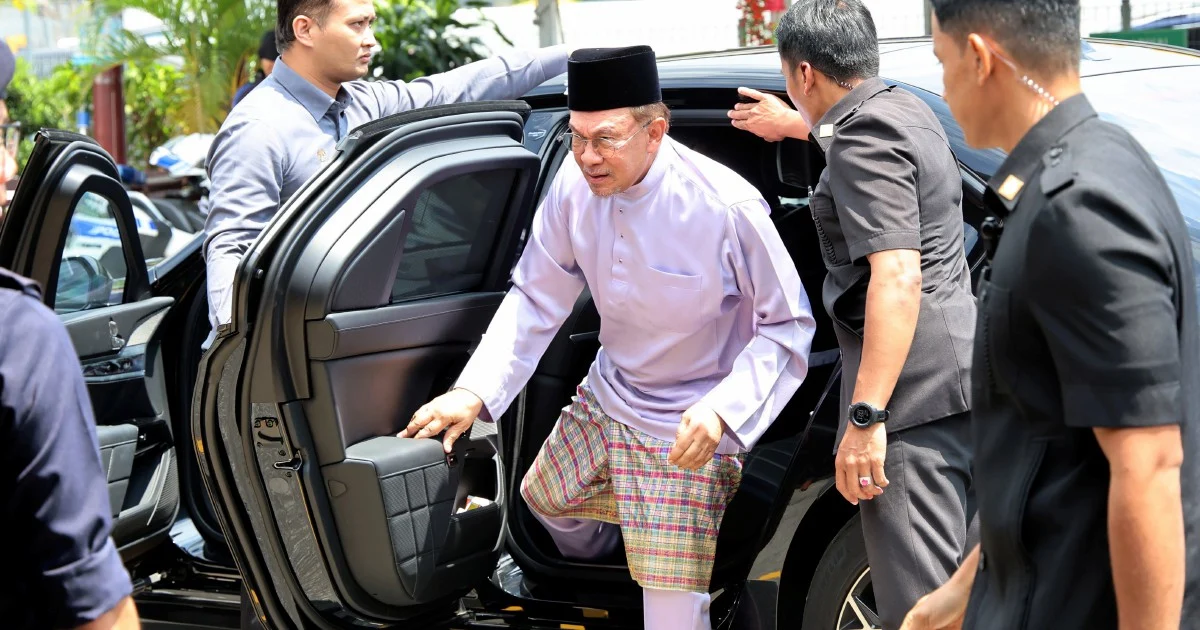
Prime Minister Datuk Seri Anwar Ibrahim has issued a pointed reminder to all political parties preparing for the Johor state election, calling for campaigns grounded in respect, ethical principles, and restraint from display of arrogance. Speaking at an event in Dengkil, the premier sought to set a tone for what many expect will be a fiercely competitive electoral contest in Malaysia's southern stronghold.
The caution comes as political parties across the spectrum gear up for what is anticipated to be one of the more significant state-level contests in the coming months. Johor, a state with substantial economic and demographic importance to Malaysia's federal political landscape, has historically served as a bellwether for broader electoral sentiment. Competition for representation in the state assembly typically attracts considerable attention from national political leadership, who view state elections as opportunities to demonstrate organisational strength and grassroots support.
Anwar's emphasis on respectful engagement reflects broader concerns within Malaysian political circles about the tenor of campaign discourse in recent years. Political campaigns have occasionally descended into personal attacks, inflammatory rhetoric, and tactics perceived as divisive or demeaning to opponents. By explicitly urging parties to avoid arrogant behaviour, the Prime Minister appears to be attempting to establish parameters for acceptable campaign conduct—a responsibility that often falls to senior political figures who command sufficient authority to influence their own parties and potentially set examples for competitors.
The appeal to uphold good values carries particular weight coming from the head of government. Such calls can be interpreted as efforts to elevate the quality of political competition and reinforce the notion that legitimate differences on policy and direction need not preclude respectful interpersonal conduct. In multiethnic, multireligious Malaysia, campaigns that respect community sensitivities and avoid inflammatory appeals have broader implications for social cohesion beyond the immediate electoral contest.
Johor's political significance stems from multiple factors. The state remains a crucial economic engine for Malaysia, accounting for substantial portions of the nation's manufacturing output and trade activity. Control of state-level administration affects policy on education, local development, commerce licensing, and other matters with direct impact on constituent welfare. Electoral victory in Johor therefore carries implications extending well beyond symbolic political standing, influencing resource allocation and developmental priorities for millions of Malaysians.
The Prime Minister's intervention also reflects a pragmatic political calculation. Campaigns that devolve into mutual recrimination and personal attacks risk alienating moderate voters who may be genuinely undecided. Parties that maintain disciplined, substantive messaging focused on governing capability and policy proposals often perform better among swing voters than those perceived as engaging in mudslinging. By advocating for higher campaign standards, Anwar may be seeking to create conditions where reasoned argument about competing visions for Johor's development takes precedence over character assassination or inflammatory rhetoric.
Anwar's Pakatan Harapan coalition has particular interests in the Johor outcome. The coalition's performance in the 2022 general election positioned Anwar as Prime Minister, but consolidating political dominance requires demonstrating electoral strength across Malaysia's states. State elections serve as crucial intermediate tests of coalition cohesion, party discipline, and voter confidence. A strong showing in Johor would reinforce narratives about Anwar's leadership and coalition viability, while setbacks could invite questions about internal unity or strategic miscalculation.
Opposition parties, meanwhile, view Johor as territory where they might recover lost ground or consolidate remaining support. The state's political dynamics have shifted considerably over the past decade, with electoral outcomes reflecting broader shifts in voter preferences across different demographic and geographic segments. Recent state elections have demonstrated that outcomes once considered predictable can shift when parties fail to respond to constituent concerns or when campaign execution falters.
The practical implications of Anwar's appeal remain to be seen. Establishing standards for campaign conduct requires not only rhetoric from political leaders but also enforcement mechanisms and willingness to discipline party members who violate such norms. Malaysian parties have mechanisms for internal discipline, though their application often appears selective. Whether Anwar's call translates into demonstrable changes in campaign behaviour will depend on how seriously both his own coalition and opposition parties treat such exhortations.
Semantically, Anwar's emphasis on avoiding arrogance suggests awareness that voter sentiment increasingly penalizes political actors perceived as dismissive or contemptuous toward constituents. Humility in campaign messaging—conveying respect for voter intelligence and autonomy to make informed choices—has become increasingly valued in competitive electoral environments. Parties that campaign as though victory is inevitable risk triggering backlash among voters who resent being taken for granted.
The Johor election will ultimately be decided by millions of voters assessing parties on multiple dimensions: economic competence, social policy, corruption management, and perceived alignment with their values and interests. While Anwar's call for respectful campaigning may seem obvious or even platitudinous, it carries significance in Malaysian political context where recent campaigns have occasionally breached norms of civility. Whether the reminder galvanizes genuine improvement in political discourse or remains largely symbolic will become apparent as campaigning intensifies and parties contest for voter allegiance across the state.

