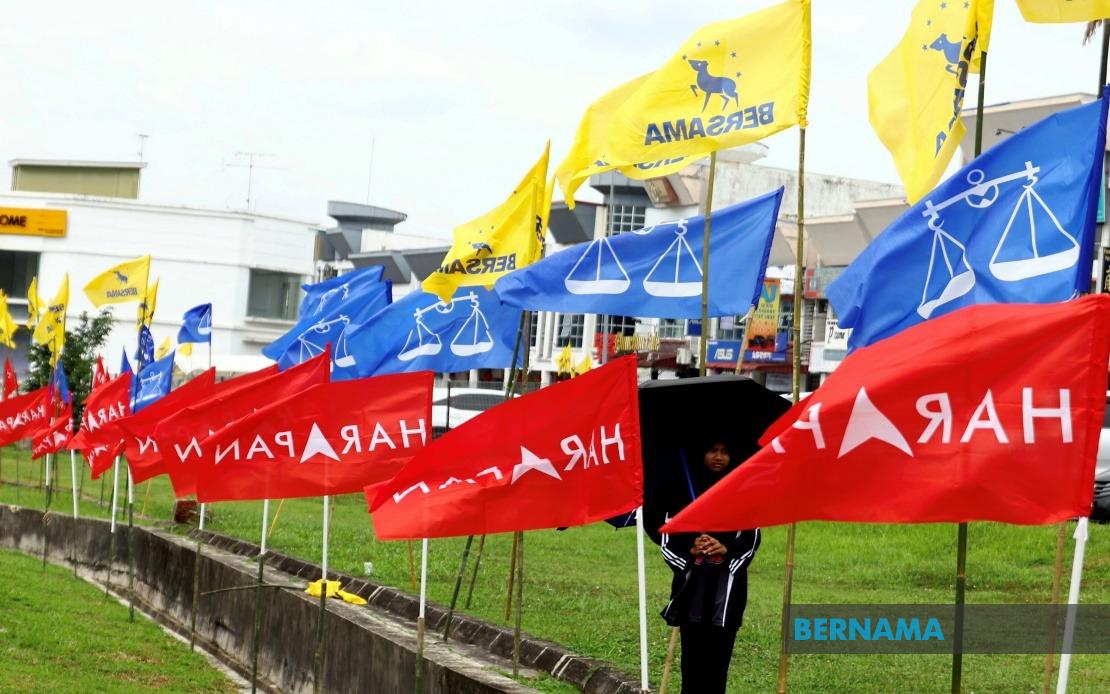
Prime Minister Datuk Seri Anwar Ibrahim has launched a final appeal to the people of Johor as the state heads toward a critical electoral moment this Saturday. Speaking as Pakatan Harapan chairman, Anwar framed the upcoming 16th Johor state election as an opportunity for the coalition to demonstrate its capacity to manage one of Malaysia's most economically significant states. His intervention underscores the national importance attached to the contest, with 56 state seats being contested across 172 candidacies.
In his public statements, Anwar emphasised Pakatan Harapan's commitment to advancing Johor's development agenda should voters grant the coalition a governing mandate. He pledged that party leadership would prioritise the protection of state interests and ensure that progress translates into tangible benefits for ordinary residents. The language used reflects an attempt to move beyond partisan politics and present the election choice as a matter of competent stewardship rather than factional advantage.
Anwar's appeal carries particular weight given his position as the nation's chief executive. His personal engagement in campaigning signals how seriously the federal government views this state contest. Johor has historically been a significant economic contributor to Malaysia's national growth, and its political complexion can influence broader coalition dynamics at federal level. The Prime Minister's involvement suggests Pakatan Harapan recognises the stakes involved and fears underperformance could damage its national standing.
Beyond conventional political messaging, Anwar employed cultural and emotional appeals designed to connect with Johor's electorate on a deeper level. He invoked a traditional pantun, a form of Malay verse deeply embedded in Malaysian cultural consciousness, to encourage voters who have migrated to other states to return home for the election. The chosen verse speaks to Johor's culinary heritage—referencing laksa, the state's famous dish—while invoking notions of ancestral legacy and the responsibility to contribute to the state's continued prosperity and development.
This multilayered approach reflects a campaign strategy that recognises electoral mobilisation requires more than policy announcements. The appeal to diaspora voters specifically addresses a reality of modern Malaysian elections: significant numbers of working-age adults have relocated to Kuala Lumpur, Selangor, and other economic centres. Their voting power could prove decisive, particularly in marginal constituencies. By framing the election as a patriotic homecoming rather than merely a political obligation, Anwar's messaging attempts to overcome the practical barriers and electoral fatigue that might otherwise suppress voter participation among this demographic.
The timing of Anwar's statements, arriving just days before ballots were cast, reflected a campaign in its final phase. At this stage, major policy repositioning becomes unlikely, and appeals tend toward mobilisation of core supporters and persuasion of undecided voters. Anwar's emphasis on Pakatan Harapan's capacity to defend state interests implicitly acknowledged that voters require assurance about competence and trustworthiness before granting authority.
Johor's political trajectory has been complex in recent years. The state has experienced significant shifts in electoral alignment, and the competition between Pakatan Harapan and opposing coalitions remains fiercely contested. For Malaysia's ruling federal coalition, victory in Johor would represent validation of their governance model and provide momentum heading into eventual national elections. Conversely, a setback could embolden rivals and create political difficulties at federal level.
The scale of the contest—172 candidates across 56 seats—indicates a highly competitive electoral environment. Such numbers suggest multiple three-way contests and potentially tight margins in many constituencies. Under these conditions, voter turnout and the ability to mobilise committed supporters becomes critical. Anwar's personal intervention aimed to address both dimensions: his status as Prime Minister carries prestige that could influence persuadable voters, while his cultural references and emotional appeals target the base's enthusiasm and willingness to participate.
For Malaysian readers following national politics, this election represented a test of whether Pakatan Harapan could consolidate its federal position by capturing significant state-level power. Johor, as Malaysia's second-largest state by population and a major economic generator, held outsized importance in this calculus. A strong performance would validate the coalition's broader governance narrative, while weakness would invite questions about its durability and appeal across different regions of the country.

