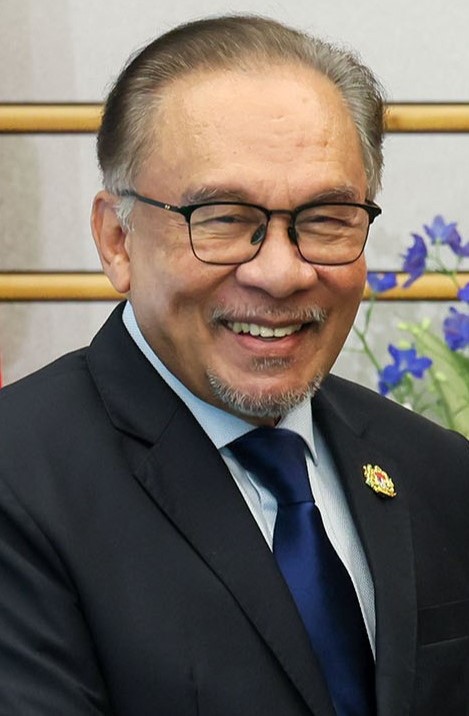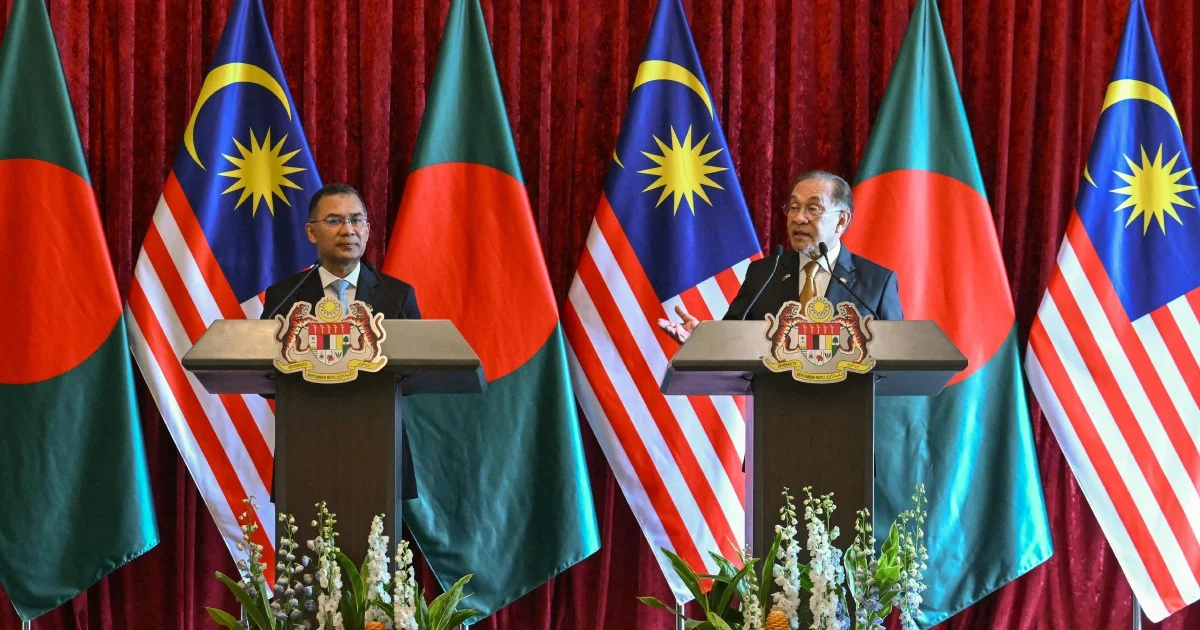
Prime Minister Datuk Seri Anwar Ibrahim has committed to eliminating the exploitation of Bangladeshi migrant workers in Malaysia, underscoring their indispensable role in supporting the nation's economic framework. Speaking on the issue, Anwar characterised the mistreatment of these workers as unacceptable, signalling that his administration intends to enforce stricter protections and accountability measures across sectors reliant on foreign labour.
The emphasis on Bangladeshi workers reflects the scale of migration from that country to Malaysia. Bangladesh ranks among the largest sources of migrant labour into Malaysia, with hundreds of thousands of nationals employed across construction, manufacturing, agriculture, and domestic services. These workers form a backbone of Malaysia's lower-wage workforce, filling labour shortages that domestic workers have not addressed. Their remittances back to Bangladesh also represent significant foreign exchange for that nation, making the bilateral relationship consequential for both economies.
Anwar's pledge addresses persistent complaints about wage theft, unsafe working conditions, contract violations, and debt-bondage arrangements that have plagued segments of Malaysia's migrant worker population. International labour organisations and human rights groups have documented instances where workers have been confined to worksites, subjected to excessive deductions, or coerced into accepting terms far worse than those promised before arrival. These abuses damage Malaysia's international reputation and undermine efforts to position the country as a responsible employer within the region.
The Prime Minister's commitment carries practical implications for Malaysian businesses and enforcement agencies. Implementation would likely require tightening recruitment standards, increasing workplace inspections, enhancing penalties for employers found breaching labour laws, and improving channels for workers to report violations without fear of deportation or retaliation. Such measures could increase compliance costs for some industries but would align Malaysia with international labour standards and reduce friction with labour-sending nations like Bangladesh.
For Bangladeshi workers themselves, strengthened protections would offer tangible improvements: clearer wage guarantees, safer conditions, and recourse when employers breach agreements. Many workers migrate precisely to escape poverty and support families, making wage security and safe conditions paramount. However, enforcement remains the challenge—regulations exist in Malaysia's books, but gaps between policy and practice persist due to limited inspection capacity and complex subcontracting arrangements that obscure employer accountability.
The statement also reflects diplomatic considerations. Bangladesh is a crucial bilateral partner for Malaysia in South Asian engagement, and labour issues have occasionally strained relations. Demonstrating commitment to worker protection addresses concerns raised by the Bangladeshi government and civil society, strengthening the bilateral partnership while portraying Malaysia as a rules-based, ethical destination for workers. This positioning matters as countries compete to attract migrant workers and avoid brain drain to destinations perceived as safer and more protective.
Regionally, Anwar's pledge aligns Malaysia with broader Southeast Asian conversations about migrant worker rights. Thailand, Singapore, and other major labour importers face similar pressures to demonstrate adherence to ILO conventions and ethical employment practices. Malaysia's commitment signals willingness to participate in regional standard-setting rather than pursuing a race-to-the-bottom approach on labour costs and conditions.
The sustainability of Anwar's commitment will depend on resource allocation and political will. Enforcement requires well-trained labour inspectors, coordinated action between federal and state authorities, and mechanisms to handle complaints from workers who may lack fluency in Bahasa Malaysia. The government must also balance protections with cost competitiveness for employers, as excessive regulations without technical support could drive businesses toward other nations or into informal economies where enforcement is even weaker.
Historically, Malaysian governments have acknowledged worker protection concerns but implementation has been uneven. Anwar's statement represents a rhetorical escalation, but translating rhetoric into systematic change demands sustained attention. Success would involve not only punishing abusers but creating incentive structures where ethical employment becomes a competitive advantage rather than a burden, encouraging industry self-regulation and peer monitoring.
The pledge also touches on Malaysia's post-pandemic labour market realities. As the economy recovers, demand for migrant workers remains strong, but worker shortages in some sectors have also prompted employers to improve conditions to compete for labour. This market dynamic can reinforce policy goals: workers are increasingly in demand, giving them bargaining power that regulations can protect and formalise.
For Malaysian consumers and businesses, the implications are mixed. Stricter enforcement could increase costs in labour-intensive sectors like construction and agriculture, potentially translating to higher prices. However, productivity and quality often improve when workers operate in safer, more stable conditions, offsetting some cost increases. Moreover, reputational gains from ethical labour practices can enhance Malaysian brands in international markets increasingly attuned to supply chain ethics.
Anwar's commitment must be monitored against outcomes. Workers' organisations and international monitors will assess whether arrests and prosecutions of exploitative employers increase, whether complaints mechanisms become more accessible, and whether Bangladeshi workers report improved conditions. The promise holds potential to reshape Malaysia's labour landscape, but delivery will determine whether this represents a genuine reform or a statement soon forgotten as competing priorities surface.