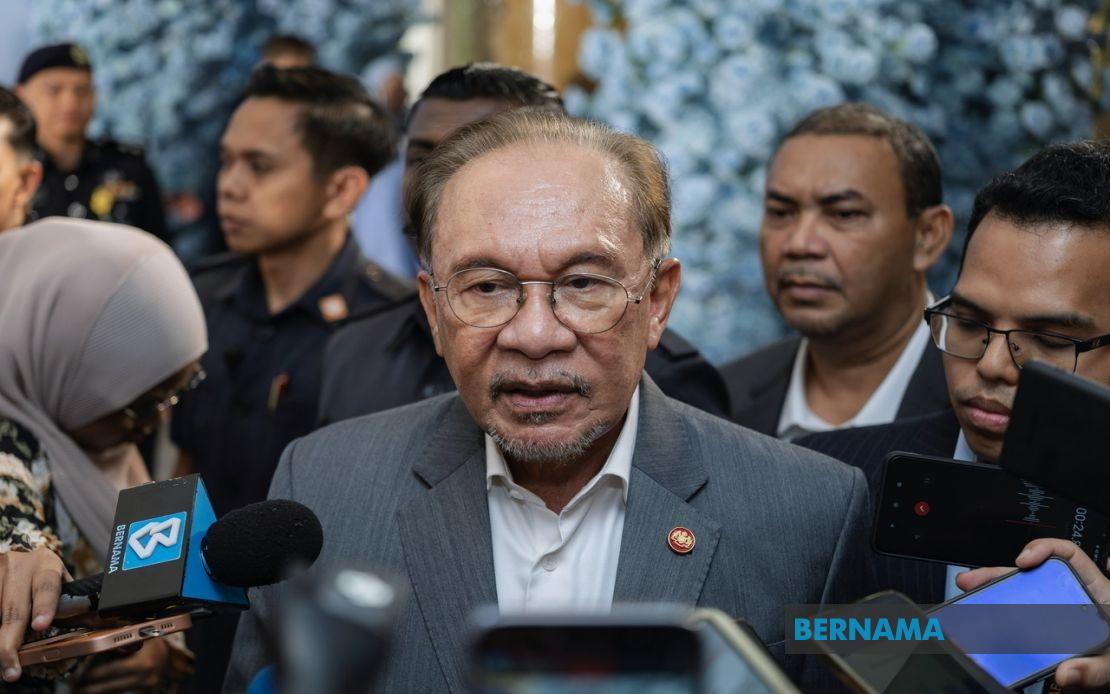
Prime Minister Datuk Seri Anwar Ibrahim remains in the dark regarding the circumstances that prompted four Melaka DAP state assemblymen to step away from the state administration, he disclosed on July 15. Speaking as both head of government and chairman of the Pakatan Harapan coalition, Anwar indicated that senior party figures have not yet provided him with a comprehensive account of the internal political developments that triggered the walkout. The admission underscores the urgency with which the opposition-led coalition intends to address the unexpected rupture within its state-level alliance.
The four departed legislators—Allex Seah Shoo Chin from Kesidang, Low Chee Leong from Kota Laksamana, Leng Chau Yen from Banda Hilir, and Kerk Chee Yee from Ayer Keroh—announced their immediate departure from the Melaka state government on July 14. Their decision came in direct response to the State Legislative Assembly's passage of constitutional amendments that would permit the appointment of nominated assemblymen to fill state seats. This development represents a significant rupture within the state-level coalition that has governed Melaka since the 2022 elections.
When questioned by media representatives whether relevant parties had furnished him with details about the resignation, Anwar declined to confirm receiving such information. Instead, he suggested that the Pakatan Harapan leadership council would initiate follow-up procedures in due course. His measured response reflected the complex political dynamics surrounding the move, which caught many observers by surprise given the apparent stability of the Melaka administration.
The constitutional amendments that sparked the mass resignation represent a significant shift in how the Melaka state assembly operates. By introducing the mechanism for nominated assemblymen, the amendments effectively alter the composition and balance of representation within the legislature. This development particularly concerns the DAP, which has long advocated for democratic representation and may view the nominated appointments as circumventing direct electoral accountability. The party's decision to withdraw reflects broader ideological tensions within the coalition regarding governance principles and democratic legitimacy.
Interestingly, Anwar had previously attempted to defuse the situation by publicly appealing to the Melaka DAP to reconsider its withdrawal decision on the same day the announcement was made. The Prime Minister's call for postponement emphasized the need to prioritize development initiatives and the welfare of residents over internal coalition disputes. However, this intervention proved unsuccessful in reversing the four representatives' determination to exit the state government. The episode suggests that local grievances and factional disagreements sometimes outweigh appeals for party unity from the highest levels of leadership.
The withdrawal of these four assemblymen inevitably weakens the Pakatan Harapan's numerical strength in the Melaka State Legislative Assembly, creating operational challenges for government business and potentially complicating future legislative initiatives. In Malaysia's fractious political environment, where single-digit majorities frequently characterize state administrations, the loss of four votes can prove consequential. This makes the timing particularly sensitive, as it may embolden opposition forces hoping to exploit any instability within the ruling coalition.
For the DAP specifically, the Melaka episode highlights ongoing tensions within the broader Pakatan Harapan framework regarding party autonomy and decision-making authority. While the coalition structure theoretically allows individual parties flexibility in determining their own positions on state-level matters, mass resignations of this nature inevitably strain relationships with coalition partners and the central leadership. The fact that Anwar had not yet received comprehensive briefing materials suggests that internal communication channels within the alliance may themselves require examination.
The broader context involves the DAP's historical concern regarding democratic principles and the perceived dilution of electoral legitimacy through appointed representatives. In Melaka and other Malaysian states, nominated assemblymen often serve to strengthen the governing coalition's position without subjecting appointees to the scrutiny of direct electoral contests. This practice conflicts with the DAP's stated commitment to democratic governance and representation, making the party's position on such amendments consistently oppositional across different state administrations and coalition arrangements.
Looking forward, the Pakatan Harapan leadership's response will be instructive for understanding how the coalition manages internal disagreements while maintaining governmental stability. Whether the promised follow-up produces a reconciliation, a consolidation of the withdrawal, or a restructuring of the Melaka administration remains uncertain. What appears clear is that tensions between coalition partners over governance principles and decision-making procedures persist even within administrations that achieved electoral victory through unified campaigns.
The situation also carries implications for Pakatan Harapan's overall coherence ahead of potential future electoral contests. If component parties feel empowered to withdraw from governments over principled objections, this could either strengthen the coalition by preserving internal discipline and ideological consistency, or it could signal fractures that opposition parties may seek to exploit. The coming weeks will reveal whether this episode represents an isolated incident of internal disagreement or a symptom of deeper structural challenges within the alliance.

