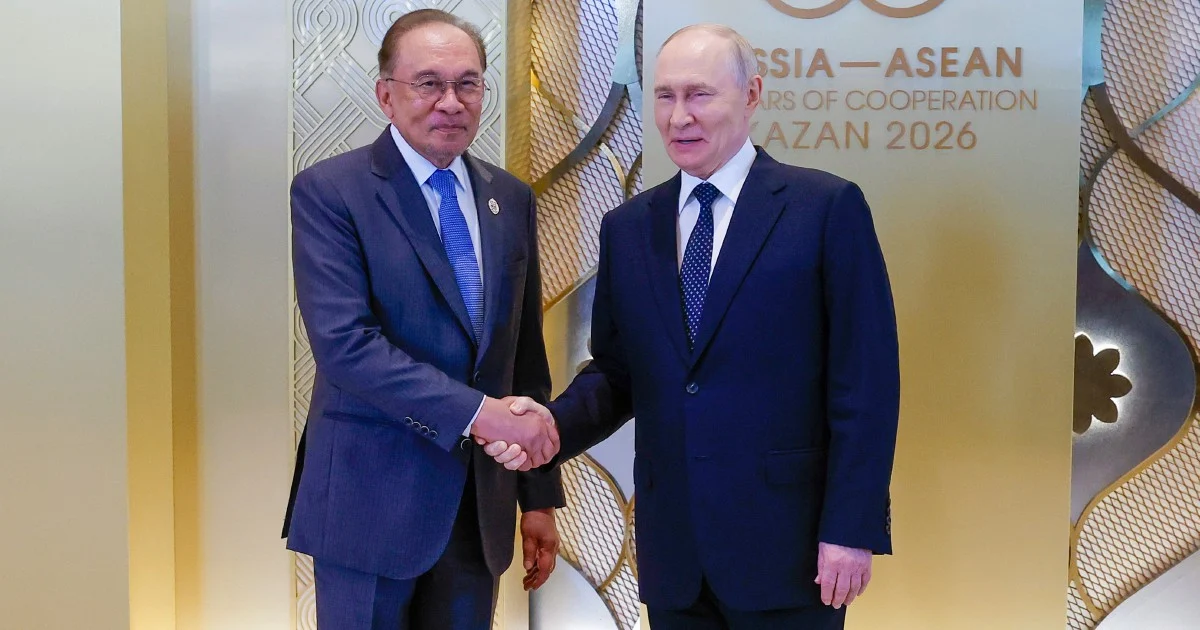
Prime Minister Datuk Seri Anwar Ibrahim's recent diplomatic missions to Russia and Turkmenistan signal Malaysia's deliberate pivot toward diversifying its energy supply chains and reducing dependence on traditional suppliers in a volatile global market. The visits, welcomed by BRICS International Malaysia, represent a strategic recalibration that acknowledges both the country's growing energy needs and the geopolitical shifts reshaping international energy diplomacy in the post-pandemic era.
Malaysia's energy landscape has long been shaped by regional suppliers and partnerships, particularly across Southeast Asia and the Middle East. However, the visits underscore an emerging recognition within the government that expanding engagement with non-traditional energy partners in Central Asia and beyond could provide valuable alternatives as global demand pressures increase and supply chain vulnerabilities become more apparent. This approach aligns with broader efforts to strengthen Malaysia's position as a strategic player capable of navigating complex international energy markets.
Russia remains one of the world's largest energy exporters, and engagement at the highest political level signals Malaysia's interest in exploring potential avenues for hydrocarbon cooperation. While the primary hydrocarbon relationship between Malaysia and Russia has historically been limited, official visits by the Prime Minister typically pave the groundwork for substantive commercial discussions between energy sector entities and government agencies. Such diplomatic channels create the institutional framework through which future contracts and joint ventures can be negotiated and executed.
Turkmenistan's inclusion in Anwar's itinerary carries particular significance given the country's substantial natural gas reserves and its emerging role as a Central Asian energy exporter. Turkmenistan sits atop one of the world's most substantial untapped gas reserves, and any serious engagement from Malaysia's leadership indicates the country's willingness to participate in long-term supply negotiations that could extend decades into the future. The timing reflects broader regional competition for Turkmen energy resources, as multiple Asian economies increasingly recognize the strategic value of securing direct or indirect access to Central Asian supplies.
From an economic perspective, enhanced oil and gas cooperation with these nations carries spillover benefits beyond the energy sector itself. Such partnerships typically involve technology transfer, workforce training, and infrastructure development that strengthens overall competitiveness within Malaysia's energy industry. Moreover, strategic economic partnerships forged at the highest political level often facilitate broader commercial opportunities across multiple sectors, from manufacturing to services and telecommunications.
Malaysia's energy security challenges have intensified as domestic production continues its structural decline and consumption patterns evolve with economic growth and industrial expansion. The country faces the dual challenge of meeting rising electricity demand while managing the energy costs that impact competitiveness across export-oriented sectors. Diversifying supply sources and establishing long-term contracts with new partners provides both price stability and supply security, reducing Malaysia's vulnerability to supply disruptions or price volatility concentrated in any single region.
The BRICS International Malaysia endorsement of these visits reflects the organization's perspective that Malaysia's engagement with BRICS member states, particularly Russia, strengthens regional cooperation frameworks and contributes to a more multipolar international order. This institutional support underscores the diplomatic consensus that broadening Malaysia's energy partnerships aligns with the country's broader strategic interests and supports long-term development objectives.
Central Asian energy diplomacy also positions Malaysia within evolving geopolitical configurations that extend beyond traditional bilateral relationships. The region serves as a crossroads between Europe, Russia, China, and South Asia, meaning engagement here carries implications for Malaysia's positioning within multiple strategic frameworks. Energy partnerships often become the foundation for deeper political and security cooperation, making these visits potentially consequential for Malaysia's medium and long-term diplomatic positioning.
The practicalities of translating diplomatic goodwill into enforceable agreements and reliable supply flows remain significant considerations. Energy projects of meaningful scale typically require years of negotiation, regulatory approval, and infrastructure development before commercial operations commence. However, the high-level nature of these visits signals serious intent from Malaysia's government to pursue substantive outcomes rather than merely ceremonial engagements.
Southeast Asian observers note that Malaysia's diversification strategy reflects a broader regional recognition that energy independence cannot rely solely on traditional relationships or geographic proximity. Several neighboring economies have similarly pursued Central Asian partnerships in recent years, suggesting that this diplomatic direction aligns with evolving regional practice rather than representing a dramatic departure from established patterns.
Looking forward, the effectiveness of these diplomatic initiatives will be measured by concrete outcomes: signed framework agreements, commercial negotiations between state enterprises, and ultimately, physical energy flows into Malaysia's economy. The visits establish the political foundations necessary for these developments to proceed, but success will depend on consistent follow-through by both governments' commercial and technical agencies.
The timing of these missions also reflects Malaysia's awareness that energy markets remain competitive, with multiple nations pursuing similar supply diversification strategies. Moving quickly to establish relationships and secure preliminary commitments reduces the risk that other competing economies will lock up available resources or negotiate more advantageous terms. This competitive dynamic adds urgency to Malaysia's diplomatic efforts while reinforcing the strategic importance both governments appear to attach to developing mutual energy partnerships.
%22%2F%3E%3C%2Fpattern%3E%3C%2Fdefs%3E%3Crect%20width%3D%22100%25%22%20height%3D%22100%25%22%20fill%3D%22url(%23ph2a6gag)%22%2F%3E%3Crect%20width%3D%22100%25%22%20height%3D%22100%25%22%20fill%3D%22url(%23ph2a6gap)%22%2F%3E%3Ctext%20x%3D%2250%25%22%20y%3D%2250%25%22%20text-anchor%3D%22middle%22%20dominant-baseline%3D%22central%22%20fill%3D%22rgba(255%2C255%2C255%2C0.95)%22%20font-family%3D%22Georgia%2C%20'Times%20New%20Roman'%2C%20serif%22%20font-weight%3D%22700%22%20font-size%3D%22151%22%20letter-spacing%3D%22-0.02em%22%3EMalaysian%3C%2Ftext%3E%3C%2Fsvg%3E)
%22%2F%3E%3C%2Fpattern%3E%3C%2Fdefs%3E%3Crect%20width%3D%22100%25%22%20height%3D%22100%25%22%20fill%3D%22url(%23ph5lritg)%22%2F%3E%3Crect%20width%3D%22100%25%22%20height%3D%22100%25%22%20fill%3D%22url(%23ph5lritp)%22%2F%3E%3Ctext%20x%3D%2250%25%22%20y%3D%2250%25%22%20text-anchor%3D%22middle%22%20dominant-baseline%3D%22central%22%20fill%3D%22rgba(255%2C255%2C255%2C0.95)%22%20font-family%3D%22Georgia%2C%20'Times%20New%20Roman'%2C%20serif%22%20font-weight%3D%22700%22%20font-size%3D%22320%22%20letter-spacing%3D%22-0.02em%22%3EKPKT%3C%2Ftext%3E%3C%2Fsvg%3E)