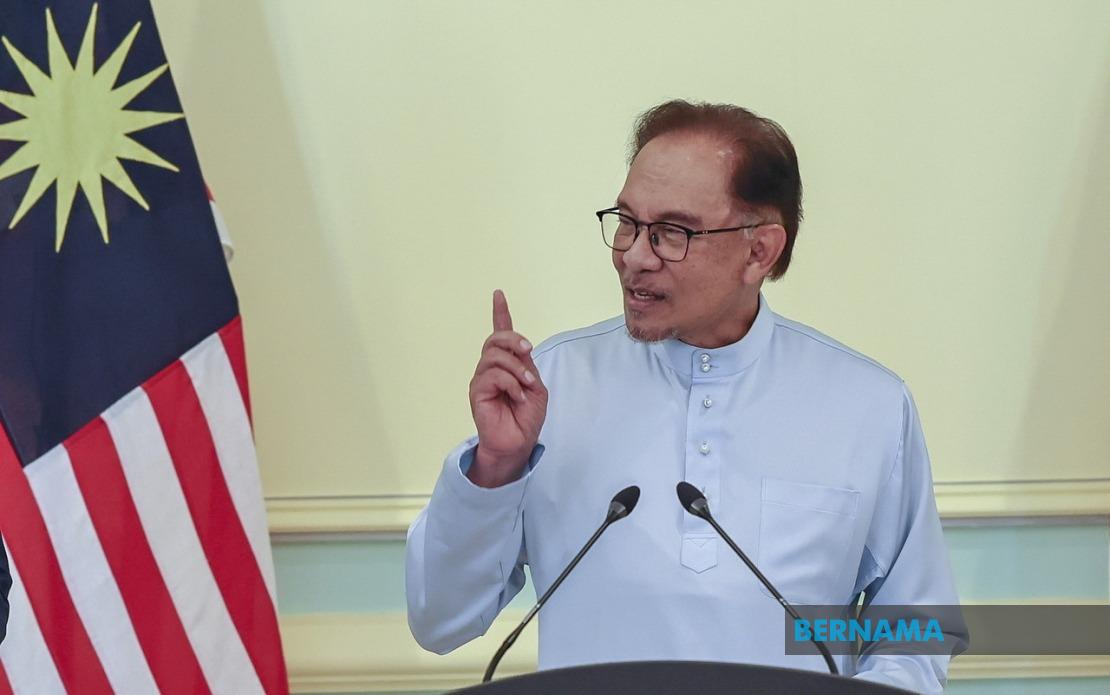
Prime Minister Datuk Seri Anwar Ibrahim's diplomatic response to the Gaza humanitarian catastrophe merits recognition for its integration of ethical conviction, legal argumentation, strategic pressure and tangible relief efforts, according to Universiti Pertahanan Nasional Malaysia's Honorary Professor Dr Mizan Aslam. The characterisation suggests a carefully calibrated foreign policy approach that transcends rhetoric, positioning Malaysia within a broader international framework aimed at enforcing accountability and protecting vulnerable populations.
The scale of the humanitarian tragedy confronting Gaza has evolved beyond a bilateral territorial dispute between two parties. Instead, it now epitomises systemic failures across international institutions, inadequacies in global governance mechanisms, and the demonstrated impotence of world powers in safeguarding civilian populations from large-scale harm. This reframing is crucial for understanding Malaysia's diplomatic positioning, which casts the conflict as a universal rights issue rather than a parochial political concern.
The human cost documented after a thousand days of military operations reveals devastating proportions. According to available data, 73,066 individuals have lost their lives, with 173,514 sustaining injuries. Among the wounded, 5,400 individuals have endured permanent disabilities and amputations, while 8,922 family units have absorbed the compounded trauma of collective loss. Children constitute a disproportionate share of casualties, with 21,730 young people killed, 45,113 injured, and 59,054 rendered parentless by the conflict's progression.
Beyond the mortality figures lies a systematic destruction of essential infrastructure supporting civilian life. More than nine-tenths of Gaza's physical infrastructure has been razed or damaged irreparably, with structural devastation affecting 81 per cent of all buildings. The residential sector has experienced particularly acute harm, with 92 per cent of homes sustaining damage. Water and sanitation networks—foundational to public health and human dignity—have seen 90 per cent of facilities damaged, leaving 91 per cent of households confronting severe water scarcity. These indices collectively signal a humanitarian emergency extending beyond immediate conflict violence into compound crises of disease, malnutrition and epidemiological breakdown.
Malaysia's material commitment manifests through multiple channels. The government's RM100 million allocation for humanitarian assistance addresses an immediate crisis where 1.97 million Gaza residents face acute food insecurity, encompassing 641,000 individuals experiencing famine conditions or catastrophic hunger levels. Nutrition-related mortality has claimed 466 lives, while childhood malnutrition cases reached 17,800 among children under five in 2025, escalating to 68,996 severe malnutrition cases within the same demographic cohort by May 2026. These figures underscore how humanitarian access and resource distribution remain essential components of any credible policy response.
Parallel to direct assistance, Malaysia has pursued legal mechanisms designed to establish international accountability. The nation's substantive support for South Africa's contentious case against Israel before the International Court of Justice—pursued under the framework of the 1948 Genocide Convention—represents a strategic choice to channel diplomatic influence through judicial channels rather than symbolic condemnation alone. This positioning reflects conviction that legal remedies and institutional accountability mechanisms constitute essential complements to ceasefire negotiations and humanitarian corridors.
Malaysia's engagement extends across multilateral diplomatic architecture. Prime Minister Anwar has leveraged platforms including the Arab-Islamic Extraordinary Summit to mobilise consensus around intensified pressure for ending documented atrocities, strengthening the operational capacity of the United Nations Relief and Works Agency for Palestine Refugees in the Near East, and constraining weapons transfers that perpetuate military operations. This multifaceted approach recognises that middle-ranking powers amplify influence through coalition-building rather than unilateral action, a strategic orientation particularly relevant for Southeast Asian nations navigating great-power competition.
The health infrastructure collapse compounds humanitarian devastation in ways often obscured by casualty figures. Healthcare facilities have become conflict targets, with 40 hospitals and 158 primary care centres sustaining documented attacks. Overall, 825 assaults on medical infrastructure have been recorded, precipitating 1,723 healthcare worker deaths and 362 instances of healthcare personnel detention. This systematic targeting of the medical sector prevents treatment of wounded civilians, creates epidemiological vulnerabilities, and violates established principles of international humanitarian law governing protection of medical personnel and facilities.
Malaysia's policy framework transcends narrow ceasefire advocacy, instead embedding demands for political settlement within broader commitments to Palestinian statehood and self-determination. This positioning distinguishes the Malaysian stance from humanitarian responses that remain agnostic regarding final political arrangements, instead asserting that durable peace requires establishment of sovereign Palestinian governance structures. The approach aligns with Malaysia's declared commitment to 'active non-alignment'—a foreign policy doctrine permitting principled stances rooted in defending civilian protection, ensuring humanitarian access, enforcing legal accountability, and upholding self-determination rights.
The conceptual architecture underlying Anwar's diplomacy translates international solidarity into actionable mechanisms rather than rhetorical gestures. Whether through judicial proceedings, multilateral forums, humanitarian programmes, or quiet diplomatic channels, Malaysia's approach maintains consistent pressure on the crisis across multiple institutional venues. This redundancy ensures that Gaza remains subject to international scrutiny regardless of any single channel's effectiveness, embedding the issue within the conscience and institutional memory of the global community.
For Southeast Asian policymakers observing Malaysian positioning, the strategic lesson concerns the relationship between principled foreign policy and national interest. Malaysia's Gaza engagement reflects neither romantic idealism nor calculated opportunism, but rather recognition that defending international humanitarian norms, supporting legal accountability, and championing vulnerable populations constitute both moral imperatives and long-term strategic investments. The approach suggests that middle powers need not choose between principle and pragmatism when diplomacy, humanitarian action and legal mechanisms operate in concert.

