Sixteen retired personnel from the Malaysian Armed Forces will commence their roles as dedicated wardens at eight MARA Junior Science Colleges beginning July 1, marking a significant expansion of a military-led campus safety initiative. The deployment represents the second phase of a structured recruitment programme drawing from the country's veteran population, following a successful pilot conducted at MRSM Besut and MRSM Balik Pulau in October of the previous year.
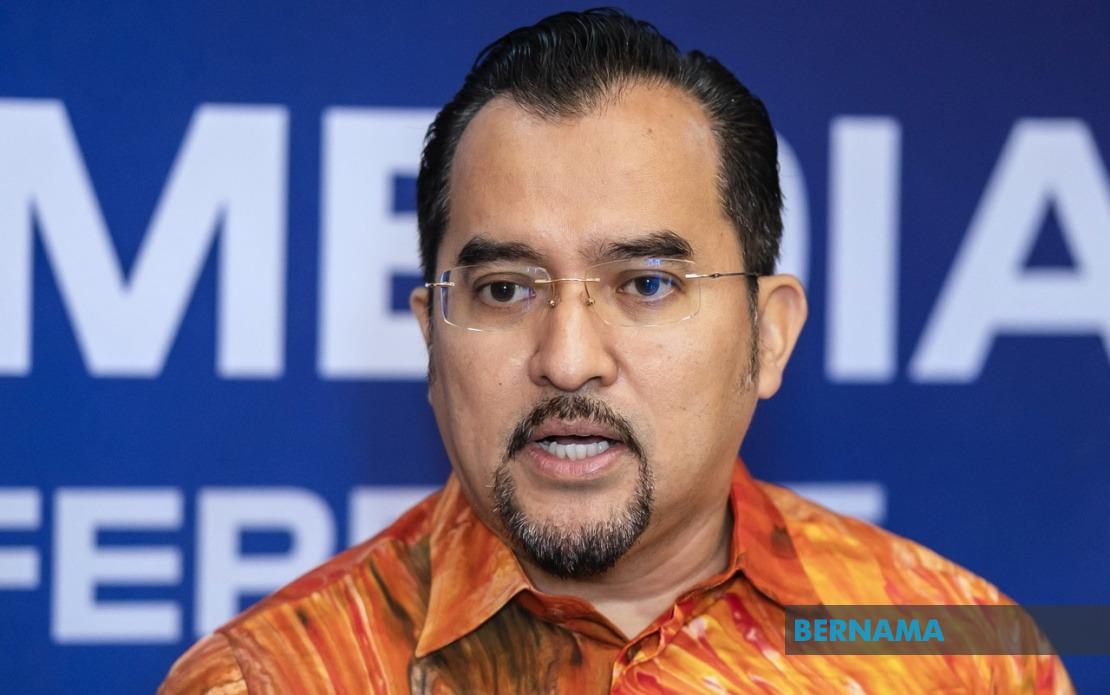
Mara Chairman Datuk Dr Asyraf Wajdi Dusuki positioned the initiative as a pivotal measure to reinforce discipline standards within the institution's residential colleges and to curtail bullying and misconduct among the student body. The appointment framework aims to establish a new model of pastoral oversight that leverages the organisational discipline and duty-oriented mindset characteristic of military backgrounds. Each of the eight participating colleges will ultimately host four wardens—two male and two female—creating a gender-balanced supervisory presence intended to address diverse student welfare needs.
The phased structure of the programme underscores MARA's cautious, incremental approach to implementation. The male cohort, numbering sixteen candidates, formally begins duties on July 1, 2026, while recruitment for female wardens is proceeding on a parallel but slightly staggered timeline. MARA has received 162 applications from female candidates, with preliminary online assessments completed on June 25, 2026, and in-person interviews scheduled for July 2. Final appointments for the female contingent are anticipated following successful completion of identical vetting procedures, though no fixed timeline has been provided.
The selection infrastructure reflects a comprehensive, multi-institutional collaboration spanning government, private sector, and specialised agencies. Glokal Link Sdn Bhd (GLSB), a MARA subsidiary, coordinates the process in partnership with MARA's Secondary Education Division, the Veterans Affairs Department (JHEV), TalentCorp, and the Malaysian Armed Forces Psychology and Counselling Section. This coalition approach signals recognition that warden selection demands expertise spanning human resources, psychological assessment, and military-specific vetting protocols.
Candidates underwent rigorous screening beginning with preliminary eligibility checks by JHEV and TalentCorp, which verified honourable military service discharge status and confirmed absence of serious disciplinary infractions or legal disqualifications. Physical interviews conducted on June 15-16, 2026, at the MARA Higher Skills Institute in Kepong engaged 147 candidates, predominantly 139 male applicants who had navigated initial and secondary-stage assessments. The depth of candidate engagement demonstrates both substantial interest in the programme and MARA's determination to identify the most suitable appointees from a competitive pool.
The assessment framework extends far beyond conventional interview methodology, incorporating psychological profiling tools, fitness evaluations, and military-specific psychological assessment protocols. Candidates face MyNext OCEAN and RIASEC psychometric testing, military psychological evaluations, mental health screening, body mass index assessments, bleep fitness testing, and multi-agency panel interviews. This composite evaluation architecture reflects institutional determination to identify individuals with genuine psychological suitability for pastoral roles within residential college environments. The approach prioritises identification of candidates demonstrating appropriate emotional regulation, sound judgment, and appropriate interpersonal boundaries with students.
Pre-appointment screening includes verification of veteran status, police criminal records checks conducted by the Royal Malaysia Police, and cross-referencing against the child sexual offenders registry. Shortlisted candidates undergo final psychological and biofeedback evaluations administered by Malaysian Armed Forces psychologists and counsellors, with particular emphasis on child protection awareness, assessment of sexual misconduct risk factors, impulse control evaluation, and analysis of appropriate warden-student relational boundaries. Only upon completion of all critical screening processes will offer and appointment letters be issued, a deliberately stringent gatekeeping process designed to prevent any possibility of appointing unsuitable candidates to positions of student oversight.
Datuk Dr Asyraf Wajdi articulated MARA's uncompromising stance on candidate selection, explicitly stating that appointment letters will not be issued until all screening protocols have been fully discharged. The approach reflects lessons learned from past institutional safeguarding failures and acknowledges heightened public scrutiny regarding student welfare in residential educational settings. By requiring satisfaction of multiple, independent screening criteria and psychological evaluations, MARA has constructed institutional safeguards intended to withstand public and parental scrutiny.
The strategic rollout plan envisions gradual expansion across Malaysia's entire network of 58 MARA Junior Science Colleges, with the third phase scheduled to commence on January 1, 2027. This phased approach permits operational learning and adjustment of procedures based on experiences from initial deployments, ensuring that scaling occurs on the basis of demonstrated success rather than accelerated timelines. The deliberate pace reflects institutional recognition that warden programme expansion must proceed with careful attention to implementation quality and student safeguarding.
For Malaysian educational stakeholders and parents, the initiative represents a tangible policy response to heightened concerns regarding student welfare, bullying prevention, and institutional accountability within residential colleges. The emphasis on military veteran recruitment reflects government thinking that disciplinary background and service orientation can address longstanding challenges within collegiate environments. However, the programme's ultimate success will depend upon whether ex-military personnel, regardless of psychological screening, can effectively transition to civilian pastoral roles requiring emotional intelligence, cultural sensitivity, and communication skills distinct from military chain-of-command frameworks.
The initiative carries broader implications for veteran employment and social reintegration within Malaysia's economy and civic sphere. By creating structured pathways for recognised ex-servicemen into positions of institutional responsibility, the programme offers meaningful post-service employment while leveraging relevant professional experience. The emphasis on verified honourable discharge and psychological suitability establishes a template potentially applicable to other government institutions seeking to integrate veterans into civilian roles requiring trust and responsibility.
The timing of the programme's expansion arrives amid broader national conversations regarding student safety, institutional accountability, and parental confidence in residential educational settings. By subjecting warden appointments to rigorous, transparent screening protocols involving multiple agencies, MARA signals institutional commitment to evidence-based safeguarding and rejection of expedient recruitment practices. The success of this carefully structured initiative may influence approaches to personnel selection across other residential institutions and government bodies confronting similar welfare and safety imperatives.

