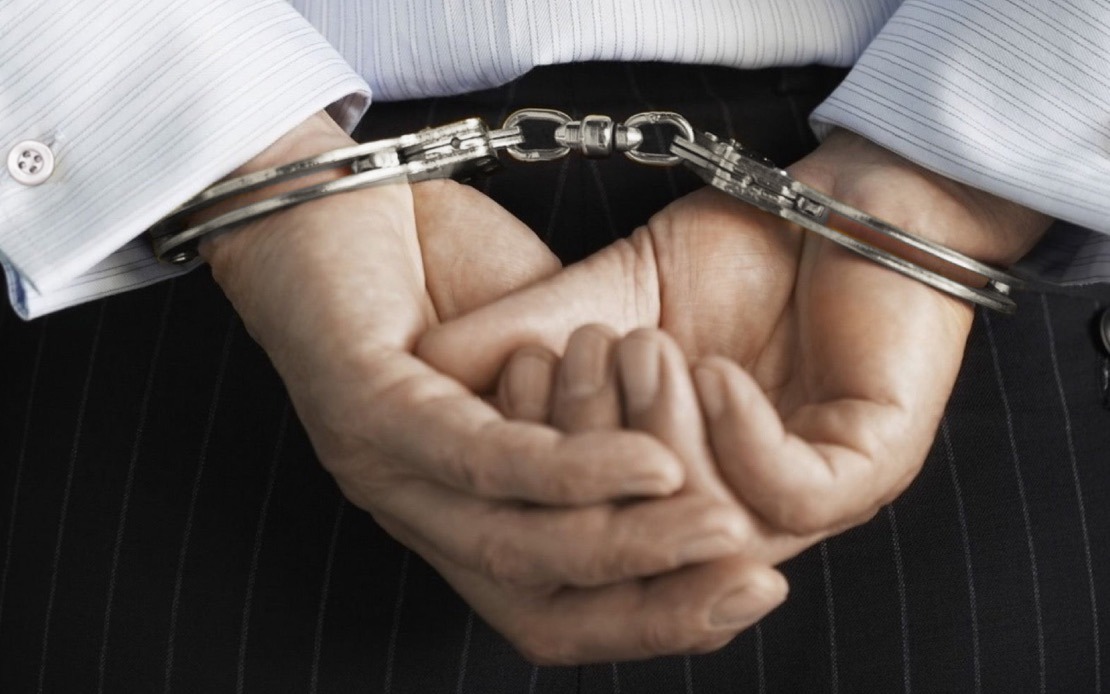
Law enforcement in Los Angeles County have arrested an armed individual discovered on the grounds of Trump National Golf Course in Rancho Palos Verdes on Sunday, just days before the former president was scheduled to attend a Republican Party fundraising dinner at the venue. The incident underscores the persistent security challenges that have surrounded Trump in recent years, with multiple incidents occurring across different locations in the United States demonstrating the persistent threat environment around the political figure.
Undercover officers initially spotted the suspicious man on the golf course premises while he was engaged in taking photographs and video footage of the facility. According to the Los Angeles County Sheriff's Department, the individual appeared to be deliberately monitoring security arrangements and planning activities at the location. This behaviour prompted officers to intervene and apprehend the man before any incident could occur.
During the initial arrest, police discovered ammunition and a 16-round magazine on the suspect's person. The discovery of loaded ammunition so close to Trump's location raised immediate concerns about the individual's intentions. The presence of magazines specifically designed for high-capacity weapons suggested a level of preparation that alarmed security officials.
When officers subsequently searched the suspect's vehicle, they made additional discoveries that heightened concerns about potential planning. Inside the car, authorities found a loaded pistol accompanied by another loaded magazine, indicating the suspect was carrying multiple weapons with ammunition ready for use. These findings suggested the individual had come to the location with weapons already prepared for deployment.
A thorough search of the suspect's residence revealed an even more disturbing picture of the individual's activities and mindset. Investigators recovered multiple weapons and ammunition caches within the home, along with body armour and radio signal devices that could potentially be used for surveillance or communication during an armed incident. Most concerning to investigators were multiple notebooks discovered during the search that contained statements characterized as deeply troubling by law enforcement, though specific details of these writings were not disclosed publicly.
The timing of the arrest proved significant as Trump had scheduled a visit to the golf course for Tuesday evening to participate in a Republican Party fundraising dinner. This meant that security personnel were able to identify and neutralize the threat before the former president's arrival at the location, preventing any potential confrontation. The incident highlights how active security monitoring and quick response protocols can prevent dangerous situations from escalating.
The arrest is merely the latest in a series of security incidents involving Trump that have drawn national attention and raised questions about protective measures. In April of this year, gunfire erupted at a press dinner in Washington, forcing security personnel to rapidly evacuate Trump and his spouse from the event and resulting in the abandonment of the function entirely. These circumstances demonstrated how security breaches could occur even at high-profile events in the nation's capital.
The security concerns extend beyond events in the continental United States as well. In February, an armed individual was fatally shot by law enforcement authorities at Trump's Mar-a-Lago residence in Florida after presenting a direct threat. This incident at the former president's private estate demonstrated that security challenges extended to his personal properties in addition to public appearances and campaign events.
The pattern of incidents intensified during Trump's 2024 presidential campaign. While campaigning to return to the White House, Trump was shot at a campaign event in Pennsylvania, with the gunfire causing a minor injury to his ear. This assassination attempt represented a significant breach of security at a public campaign event and dominated national discourse about protective measures for political figures. The incident prompted widespread discussion about the adequacy of current security protocols for presidential candidates.
Later in 2024, the Secret Service apprehended another armed individual who had concealed himself in the bushes near Trump's golf course located in West Palm Beach, Florida. Intelligence assessments indicated that the suspect had been planning to launch an attack on the former president. The quick identification and neutralization of this threat prevented what could have been a serious incident at one of Trump's regular haunts.
These recurring security incidents carry broader implications for how democratic societies protect political figures while maintaining public accessibility. For Malaysian observers and Southeast Asian readers, the situations involving Trump raise important questions about how to balance security with the open nature of democratic participation and campaigning. The frequency of threats against prominent political figures in the United States contrasts with different security arrangements in other democracies, offering comparative lessons about protective protocols.
The California arrest also reflects the complex relationship between intelligence gathering, threat assessment, and law enforcement response. Security personnel must distinguish between legitimate political protest or journalism and genuine threats requiring intervention. The discovery of specific targeting behaviour, weapons, ammunition, body armour, and written statements deemed concerning appears to have crossed the threshold into actionable threat territory, justifying the intervention.
As Trump continues his political activities and maintains a high public profile, incidents such as this California arrest are likely to remain a recurring concern for security officials. The evolution of threats from simple confrontations to planned armed incidents with documented intentions and prepared weaponry suggests an escalating challenge for those responsible for protecting political figures in an increasingly polarized environment.

