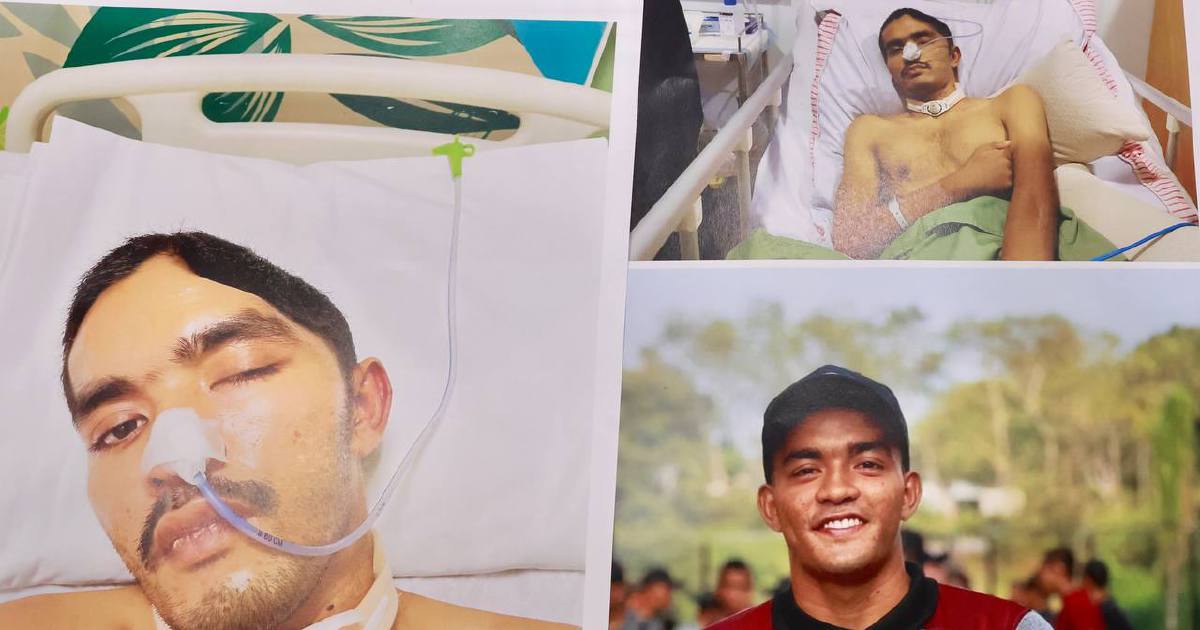
The Malaysian Army has wrapped up its internal inquiry into an incident that resulted in serious injuries to a commando stationed at a Johor military installation during March. The investigation's completion now paves the way for disciplinary measures, with dismissals already commencing as part of the military's response to the findings.
The injured commando's condition during the March incident prompted swift action from military leadership, triggering a formal internal review to determine the circumstances surrounding the casualty. Such investigations within the defence forces typically examine multiple factors including command responsibility, compliance with safety protocols, and potential breaches of military conduct standards. The seriousness with which the Army has pursued this matter reflects institutional concerns about operational standards at its training and operational facilities.
Commando units within the Malaysian Army undergo some of the most demanding physical and tactical preparation in the military structure. These highly trained personnel face elevated risks during routine operations and training exercises, making incidents that result in significant injury particularly noteworthy. The March occurrence at the Johor facility has evidently raised questions about whether prevailing safety measures and supervision protocols were adequate, or whether procedural failures contributed to the commando's injuries.
The transition from investigation to disciplinary phase represents a critical juncture in the institution's accountability mechanisms. Dismissals indicate that the probe identified personnel whose actions or negligence crossed established military standards. Such personnel actions typically follow a hierarchical progression beginning with interviews and fact-gathering, followed by formal charges where appropriate, and culminating in formal disciplinary hearings. The fact that dismissals are already underway suggests the findings were sufficiently clear to warrant expedited action.
For Malaysian readers, such incidents carry broader implications beyond the immediate individuals involved. Public confidence in military institutions rests partly on their demonstrated capacity to investigate serious matters independently and impose meaningful consequences when standards are breached. The Army's transparent progression through investigation to dismissal demonstrates an institutional commitment to accountability, though full details regarding the incident and specific findings remain undisclosed presumably pending completion of all disciplinary processes.
The Johor facility where the incident occurred serves as a significant training and operational hub for specialized military personnel. Incidents at such installations draw heightened scrutiny because they occur within supposedly controlled environments where safety supervision should be optimised. Whether the March injury resulted from momentary lapses in concentration, equipment failures, or more systemic supervisory breakdowns will likely inform future safety protocols across commando training infrastructure.
Within the broader Southeast Asian security context, maintaining rigorous professional standards across military units directly impacts the capabilities and credibility of national defence forces. Malaysia's commando units contribute to both domestic operations and regional security cooperation frameworks. Ensuring these units operate under robust oversight and safety standards is therefore not merely an internal administrative concern but a matter touching national capability and reputation.
The dismissal of personnel signals that individual accountability operates within the Malaysian military structure even at senior levels who may hold responsibility for supervision and safety compliance. Such institutional willingness to remove staff regardless of rank demonstrates that formal hierarchies do not shield superiors from consequences when investigations establish their role in serious incidents. This aspect of the probe's aftermath may itself encourage greater diligence regarding safety protocols and supervisory vigilance across other military installations.
The investigation's completion does not necessarily signal the cessation of all institutional responses. Beyond individual dismissals, the Army frequently implements procedural reforms and enhanced training based on serious incident investigations. Such institutional learning mechanisms help ensure that individual tragedies generate systematic improvements preventing recurrence. Whether the Johor incident prompts facility-wide safety protocol revisions or modifications to commando training oversight procedures may not be publicly detailed, but such internal reforms typically accompany serious incident investigations.
As the military proceeds through formal disciplinary processes and implementing any systemic reforms, the focus shifts to ensuring comparable incidents become increasingly unlikely. The commando services maintain demanding professional standards precisely because the consequence of lapses in attention or supervision can be fatal or permanently disabling. The March incident, though serious, provides the institution an opportunity to reinforce safety culture and operational discipline across its specialized units.

