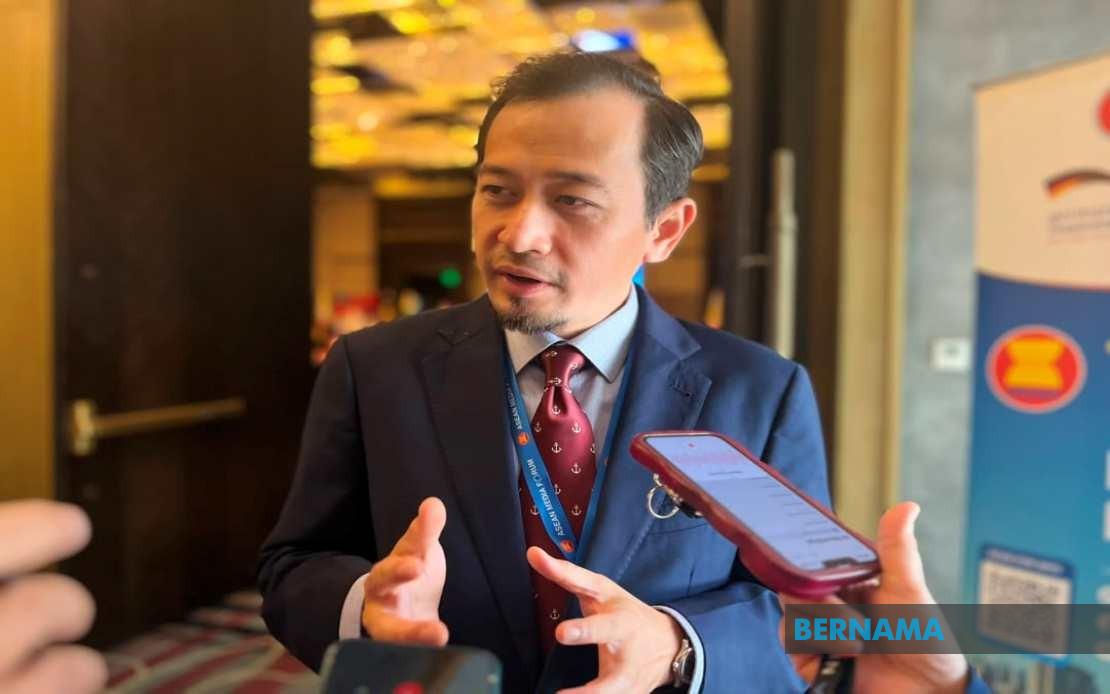
The Federation of ASEAN Shipowners' Associations is spearheading an ambitious initiative to create ASEAN's first Protection and Indemnity insurance club, marking a significant shift toward regional self-reliance in maritime risk management. Currently, shipowners across Southeast Asia depend heavily on Western insurance providers, particularly European firms, for this critical coverage. The proposed club aims to fundamentally alter this dynamic by pooling resources and sharing risks among regional operators, thereby reducing the substantial premium burden they currently face.
Mohamed Safwan Othman, who chairs both FASA and the Malaysia Shipowners' Association, outlined the scope and timeline of this undertaking during remarks at the 10th ASEAN Media Forum in Manila. The structuring phase is underway, though officials project that at least three years will be required before the club becomes operational. This extended timeline reflects the complexity of securing consensus across multiple ASEAN member states, each with distinct shipping interests and regulatory environments. Building such consensus represents perhaps the most significant hurdle the initiative faces, as shipowners must agree on governance structures, premium-setting mechanisms, and claims procedures that satisfy all participants.
Protection and Indemnity insurance forms a cornerstone of maritime operations throughout the region. This mandatory coverage protects seafarers and cargo aboard vessels, distinguishing it from Hull and Machinery insurance, which addresses physical damage to a ship's structure, engines, and equipment. For shipowners operating in Southeast Asian waters, securing affordable and comprehensive P&I coverage directly impacts profitability and operational viability. The current reliance on external providers means premiums and terms remain subject to international market forces beyond regional control.
The geopolitical environment has intensified pressure on shipping operators across ASEAN. Escalating conflict in West Asia has imposed substantial additional costs through elevated insurance premiums and extended transit times. Some insurers have withdrawn war-risk coverage altogether, while those continuing to offer such protection demand significantly higher rates. These developments have created genuine hardship for regional shipowners attempting to maintain consistent service while absorbing mounting operational expenses. The situation underscores why developing indigenous insurance capacity represents more than a commercial convenience—it reflects a necessity for maritime stability across Southeast Asia.
The humanitarian dimension of current maritime challenges cannot be overlooked. According to International Maritime Organisation data cited by Safwan, approximately two thousand Southeast Asian seafarers find themselves stranded aboard roughly five hundred vessels navigating the Strait of Hormuz. Filipino seafarers comprise about half of this affected population, highlighting the human cost of regional instability. The actual number may be considerably higher, as some vessels deliberately disable tracking systems to avoid detection while transiting these dangerous waters. This situation demonstrates how geopolitical turbulence directly endangers the livelihoods and safety of maritime workers throughout ASEAN member states.
Efforts to address these challenges extend beyond insurance initiatives. ASEAN has implemented coordinated navigational and safety guidance systems to assist shipowners operating in high-risk waters. The Information Fusion Centre, functioning under the Regional Cooperation Agreement on Combating Piracy and Armed Robbery against Ships in Asia, provides crucial intelligence and guidance to maritime operators. Additionally, ASEAN maintains cooperative frameworks with the United Kingdom and United States to enhance maritime security. These mechanisms demonstrate recognition that shipping safety requires coordinated regional and international responses.
The broader significance of establishing an ASEAN P&I club lies in advancing regional economic autonomy. By developing indigenous insurance capacity, ASEAN nations would reduce dependency on external financial institutions and gain greater control over maritime risk management. This aligns with longstanding ASEAN aspirations toward deeper regional integration and collective problem-solving. A functioning regional insurance club would demonstrate ASEAN's capacity to address shared challenges through institutional innovation rather than external reliance.
Conversely, shipowners recognize that any regional insurance solution must maintain rigorous standards and financial stability. Premature or poorly structured implementation could jeopardize maritime operations throughout Southeast Asia. Consequently, the three-year structuring phase should be understood as necessary due diligence rather than bureaucratic delay. Developers must establish credible underwriting standards, adequate capital reserves, and professional claims management systems. These requirements demand sustained dialogue among shipowners, insurers, regulators, and maritime authorities across multiple jurisdictions.
The initiative gains particular urgency given ongoing West Asian tensions. As extended conflicts persist and maritime risks remain elevated, the window for establishing alternative insurance mechanisms becomes narrower. Delays increase the likelihood that operational costs and seafarer hardships will intensify before regional solutions materialize. This creates counterintuitive pressure—while proper structuring requires deliberate processes, the external environment demands relatively swift implementation. Successfully navigating this tension will test ASEAN's capacity for coordinated institutional development.
For Malaysia specifically, supporting the FASA initiative carries strategic importance. As a significant maritime nation with extensive shipping interests and substantial seafarer populations, Malaysia stands to gain substantially from reduced insurance costs and enhanced risk-sharing mechanisms. Malaysian shipowners and seafarers would benefit directly from competitive premiums and governance structures reflecting regional rather than Western priorities. Additionally, Malaysia's leadership role through the Malaysia Shipowners' Association positions the nation as a catalyst for regional consensus-building.
The success of this initiative will ultimately depend upon sustained commitment from ASEAN shipowners despite competing commercial interests and the challenges inherent in multinational institutional development. The three-year timeline provides opportunity for thorough preparation, stakeholder engagement, and regulatory coordination. However, momentum must be maintained across this extended period, as competing priorities inevitably arise. Whether ASEAN can transform current maritime challenges into motivation for institutional innovation remains an open question with significant implications for regional economic resilience and seafarer welfare throughout Southeast Asia.

