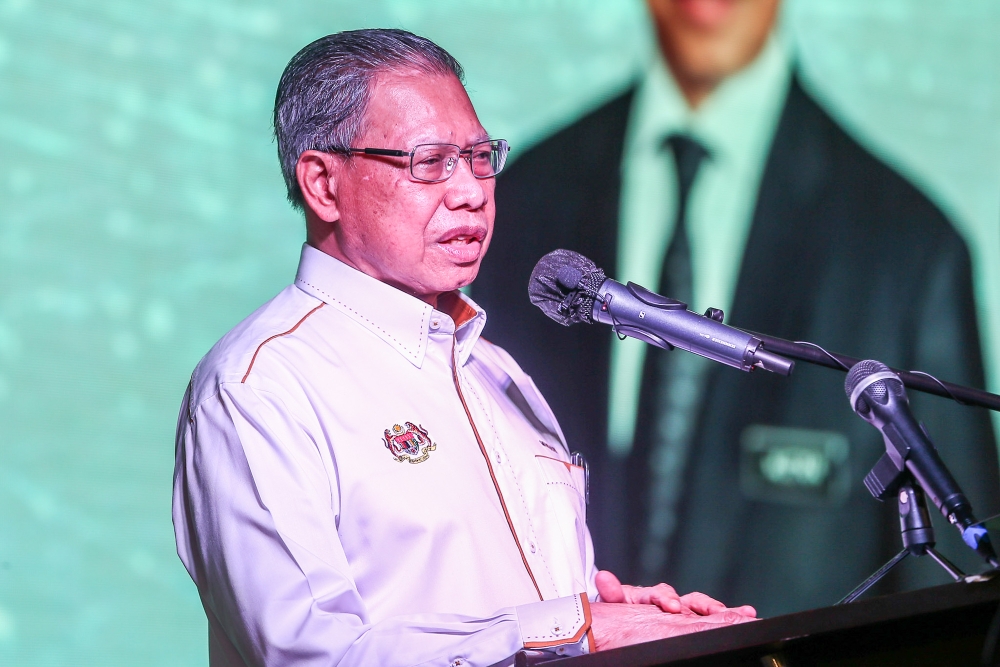
At 76 years old, Datuk Seri Mustapa Mohamed has definitively stepped away from electoral politics, making clear that he will not contest in the forthcoming general election. The former Jeli Member of Parliament delivered this message in Pasir Mas, signalling a decisive chapter closure on his decades-long political career and opening space for the next generation of leaders to emerge within the political landscape.
Mustapa Mohamed's declaration reflects a broader reckoning within Malaysia's political establishment about succession and generational renewal. His withdrawal from the electoral arena comes at a time when Malaysian politics faces mounting pressure to refresh its leadership cadre, with many constituencies long dominated by veteran politicians. The timing of his announcement underscores recognition that holding onto parliamentary seats indefinitely can stifle the advancement of younger, emerging talent who might bring fresh perspectives and energy to governance.
The former legislator has coupled his retirement decision with an active call for younger politicians to assume greater responsibility and prominence. Rather than fading quietly, Mustapa Mohamed is using his platform to encourage the next generation to step forward, positioning himself as a voice advocating for institutional renewal. This approach contrasts with some Malaysian politicians who cling to office well into their final years, creating bottlenecks that frustrate ambitious younger cadres seeking their own opportunities.
Mustapa Mohamed's career spans several decades of service in parliament, making his withdrawal significant within the political ecosystem. His decision to voluntarily exit represents a form of mentorship through action—demonstrating that recognising one's appropriate time to move aside is as important as the years of contribution one has already made. Such decisions help establish cultural expectations around aging gracefully out of electoral politics rather than overstaying political mandates.
The statement also carries implications for party succession planning and internal dynamics. Political parties often struggle with hierarchical rigidity when senior figures refuse to relinquish their positions, creating frustration among middle-ranking members awaiting advancement. Mustapa Mohamed's clear retirement signal may provide relief within his own party structures, allowing those positioned below him to advance without waiting for natural attrition or political upheaval.
For Malaysian politics more broadly, such statements from established figures carry symbolic weight. When respected veterans voluntarily withdraw, they subtly normalise the concept of strategic retirement, potentially influencing other senior politicians to reflect on their own tenure and contributions. This can gradually reshape political culture toward one where leaving office at an appropriate juncture is viewed as statesmanlike rather than as abandonment or failure.
The generational question has become increasingly pressing across Southeast Asia, with many nations grappling with aging political establishments. Malaysia's situation mirrors challenges seen in neighbouring countries where entrenched elites and limited term discipline have created pyramids of experienced but aged politicians blocking ascendant generations. Mustapa Mohamed's proactive stance positions him as someone aware of these broader trends and willing to model constructive behaviour.
However, the challenge of translating such rhetoric into systemic change remains formidable. Individual leaders stepping aside represents progress, yet institutional mechanisms—such as party-imposed term limits, mentorship frameworks, and deliberate pipeline development—are often lacking. Without structured pathways for youth advancement, voluntary retirements by individual politicians, though welcome, may prove insufficient to catalyse meaningful generational transformation in Malaysian politics.
The younger leaders whom Mustapa Mohamed is invoking face their own considerable challenges: establishing credibility within party structures, fundraising capabilities, media presence, and grassroots networks that established politicians have accumulated over decades. Merely vacating seats does not automatically ensure that capable younger candidates will emerge or that they will receive adequate organisational and financial support to compete effectively.
Mustapa Mohamed's intervention also reflects recognition that public sentiment increasingly favours political renewal. Electoral voters across multiple cycles have shown interest in fresh faces and new ideas, even while established politicians remain competitive. This shift in voter preferences creates space for younger candidates, yet many parties remain reluctant to take electoral risks by fielding untested newcomers in winnable seats traditionally held by reliable veterans.
The former Jeli MP's pronouncement serves multiple purposes simultaneously: it provides personal closure to his political chapter, demonstrates party commitment to generational thinking, and publicly endorses the principle that political leadership should eventually transition to new hands. Whether his example catalyses broader institutional change within Malaysian political parties will become apparent as the next general election approaches and party candidate selections are finalised across the peninsula.
Ultimately, Mustapa Mohamed's decision and accompanying message contribute to an emerging conversation about Malaysia's political future. As the nation navigates persistent governance challenges and voters demand responsive leadership, the question of whether sufficient space will genuinely open for younger politicians to gain meaningful parliamentary experience and policy influence remains partly open. His retirement from candidacy represents progress, but structural transformation in how Malaysian politics nurtures and advances its next generation will require sustained, deliberate effort from multiple institutional actors.

