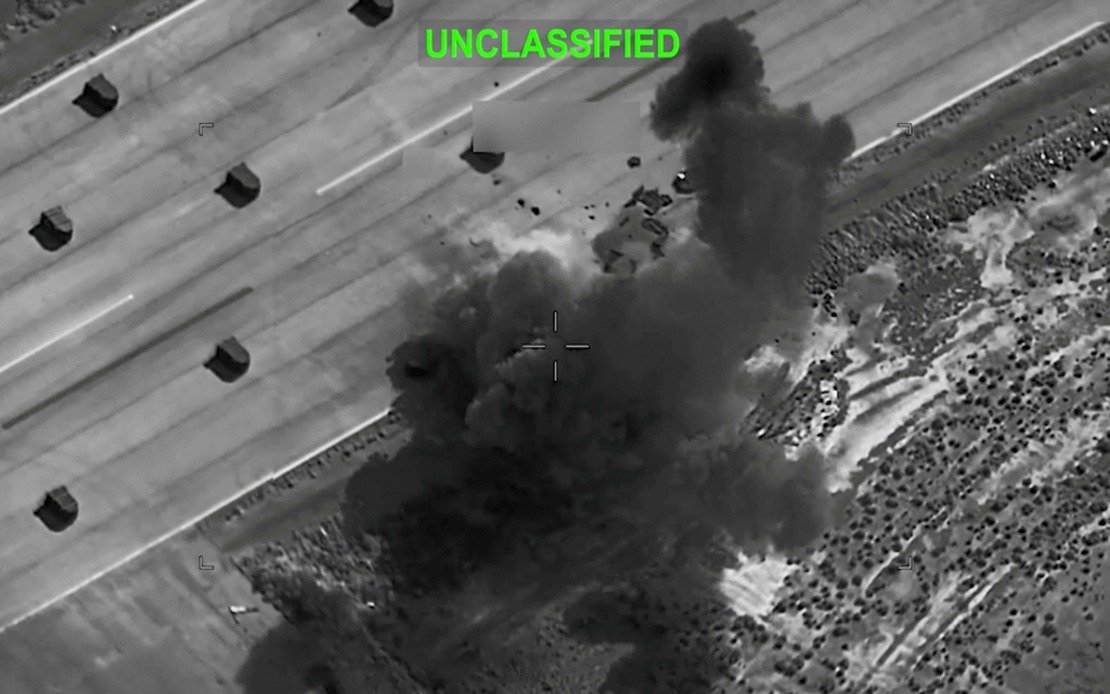
The Iranian Health Ministry has documented significant casualties following military strikes carried out by the United States against Iranian territory on July 8 and 9, 2026, according to a statement issued by ministry spokesman Hossein Kermanpour on Thursday. The attacks, which targeted five separate provinces across Iran, resulted in at least 14 deaths and left 78 individuals injured, marking a notable escalation in regional tensions even as both parties were supposed to be observing a ceasefire agreement.
Kermanpour disclosed the casualty figures through a post on social media platform X, noting that the strikes occurred while a ceasefire arrangement was nominally in effect between the two nations. The timing of the military action raises questions about the stability of any agreed-upon cessation of hostilities and suggests underlying tensions remain unresolved despite diplomatic efforts to establish periods of non-engagement. The Iranian official emphasized the violation of the ceasefire terms by specifically highlighting that attacks took place during what should have been a period of restraint.
Among those wounded in the strikes, approximately 47 individuals remain hospitalized receiving ongoing medical care, while the remaining injured have been discharged after receiving initial treatment in healthcare facilities across the affected regions. This distribution of casualties suggests a spectrum of injury severity, with the most critically wounded requiring continued intensive medical management. The continued hospitalization of nearly 60 percent of the injured indicates that several victims sustained wounds of considerable gravity requiring extended recovery periods.
The targeting of five distinct provinces demonstrates the geographic scope of the military operation, suggesting coordination across multiple locations rather than isolated incidents. This pattern indicates a deliberate campaign rather than spontaneous or limited engagement, which carries significant implications for regional stability and the likelihood of further escalatory cycles. The multi-province nature of the strikes suggests systematic rather than surgical targeting, with broader strategic objectives beyond specific military installations.
For Malaysian observers and policymakers, such developments in the Middle East carry indirect but meaningful consequences. Malaysia, as a major Asian trading nation with significant maritime interests and energy dependencies, maintains careful attention to Middle Eastern dynamics that could affect regional shipping, oil supplies, and broader geopolitical alignments. Any deterioration in Iranian-American relations or resumption of active conflict creates uncertainty in global energy markets and maritime security corridors through which Malaysian commerce flows.
The apparent collapse or violation of the ceasefire arrangement underscores the fragility of agreements in conflict situations where fundamental disputes remain unresolved. This pattern has troubling implications for efforts to establish sustainable peace frameworks in other troubled regions, including areas adjacent to Southeast Asia. The fact that attacks occurred despite an ostensible truce suggests that one or both parties question the viability or desirability of continued restraint, pointing toward potentially prolonged hostilities.
Iranian officials have presented the strikes as a violation of international agreements and diplomatic commitments, framing the civilian casualties as evidence of disproportionate force. The emphasis on the ceasefire context in the Health Ministry's statement appears designed to characterize the attacks as an unprovoked breach of agreed terms rather than a response to provocation. This framing carries implications for international perceptions of responsibility and potential interventions by regional or global actors sympathetic to Iran's position.
The casualty figures released by Iranian authorities, while coming from an official government source, typically warrant scrutiny given the context of ongoing conflict and competing narratives between adversaries. However, the Health Ministry's willingness to publicly detail both deaths and injuries, including hospitalization figures, suggests at minimum that substantial damage and human cost resulted from the military operations. International humanitarian organizations may conduct independent verification of these claims in coming days.
The implications extend beyond immediate humanitarian concerns to broader questions about whether diplomatic channels can be restored and what conditions might enable renewed ceasefire arrangements with greater durability. The escalation pattern evident in Middle Eastern conflicts suggests a cycle whereby temporary pauses create false sense of resolution before renewed violence demonstrates that underlying disputes persist. For Southeast Asian nations seeking stable trading relationships and predictable international security environments, such cycles pose genuine policy challenges.
The strikes represent a significant moment in the continuing dispute between Iran and the United States, with ramifications that extend throughout the region and potentially across global markets. Whether this represents a temporary escalation within a broader framework of eventual negotiated settlement or the beginning of renewed widespread conflict remains unclear. Malaysian policymakers and businesses should monitor developments closely, as sustained Middle Eastern conflict typically produces ripple effects affecting energy costs, shipping insurance, and broader economic conditions throughout Asia.

