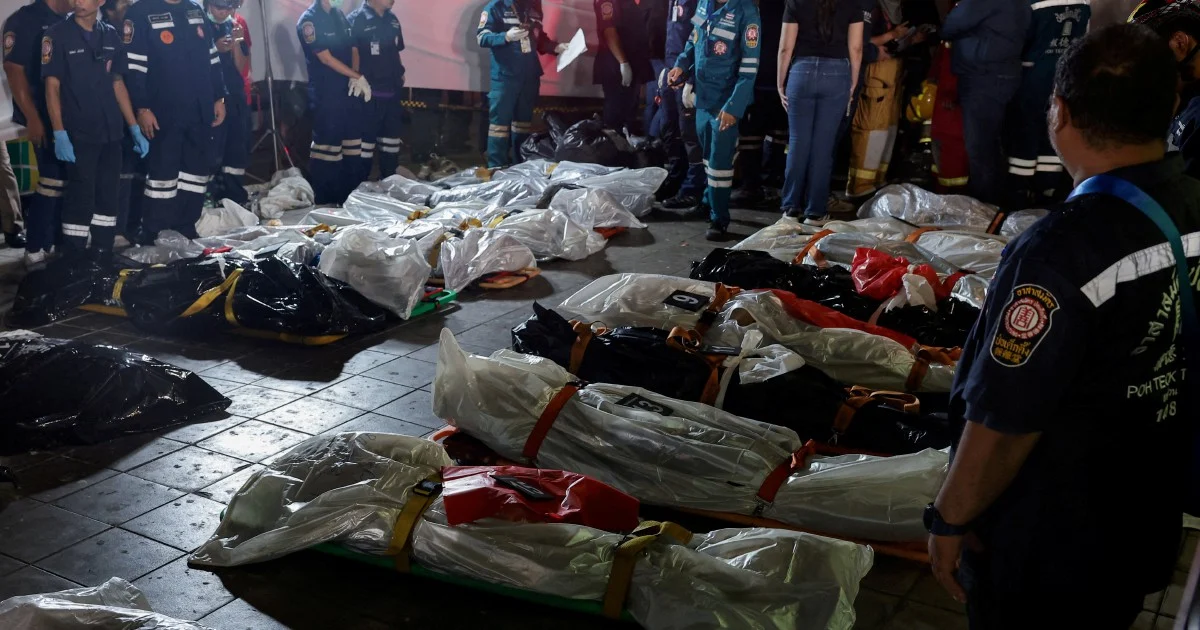
Thailand's capital city reeled from a catastrophic fire that swept through a bar in central Bangkok on Sunday evening, leaving at least 27 people dead, Prime Minister Anutin Charnvirakul confirmed to journalists. The incident represents one of the most significant fire disasters in Bangkok in recent years, prompting immediate government response and raising fresh questions about safety standards in the city's entertainment venues.
The scale of the tragedy underscores recurring safety vulnerabilities in Bangkok's nightlife establishments. Thai bars and entertainment venues have a checkered history with fire safety compliance, particularly in older or hastily renovated structures that prioritise customer capacity and profitability over structural safeguards. This incident will likely intensify scrutiny of how thoroughly authorities inspect and enforce fire codes across the sprawling Bangkok entertainment district, where thousands of similar venues operate nightly.
For visitors and residents across Southeast Asia, the tragedy serves as a stark reminder of the hazards that can emerge in the region's booming but sometimes loosely regulated hospitality sector. Bangkok attracts millions of international and domestic tourists annually, many of whom frequent the city's numerous bars and clubs. The incident raises uncomfortable questions about whether rapid expansion in Thailand's tourism infrastructure has outpaced safety investments and oversight mechanisms.
Prime Minister Charnvirakul's public confirmation of the death toll suggests the Thai government is taking the incident seriously and moving quickly to assess the scale of the emergency. Such transparency, while sobering, typically precedes official investigations into the fire's cause and calls for systematic improvements in safety protocols across similar establishments. The government's response will likely include inquiries into whether the venue held proper fire safety certifications, emergency exit procedures, and building code compliance.
The implications extend beyond Thailand's borders. This tragedy will inevitably influence how regional governments approach safety regulation in the hospitality and entertainment sectors. Malaysian authorities, who oversee their own vibrant nightlife industry in Kuala Lumpur and other major cities, will be watching closely to understand what went wrong and whether similar vulnerabilities exist domestically. Other Southeast Asian nations with significant tourism industries will similarly reassess their fire safety frameworks.
Historically, deadly bar and nightclub fires have catalysed regulatory overhauls across Asia. The incident in Bangkok will likely prompt a broader regional conversation about enforcement gaps, the adequacy of existing safety standards, and the effectiveness of building inspections. Many Southeast Asian establishments, particularly in older commercial areas, may face heightened scrutiny in coming weeks as authorities conduct safety audits.
The human toll extends far beyond statistics. The loss of 27 lives represents families fractured, communities grieving, and an entertainment venue that will be remembered as a site of tragedy rather than recreation. For Bangkok's tourism sector, the incident poses immediate challenges around reassurance and confidence, even as investigators begin determining precisely how the fire started and spread with such devastating speed.
Background context matters here: Bangkok's older neighbourhoods feature densely packed buildings that, despite legal requirements, sometimes contain inadequate emergency exits, overcrowded occupancy levels, and combustible interior materials. Fire suppression systems may be outdated or poorly maintained. Emergency lighting could be non-functional. In competitive entertainment markets where margins are tight, corners are occasionally cut—a reality that inspectors and authorities struggle to police comprehensively across hundreds of venues.
The path forward will require sustained commitment from Thai policymakers. Preliminary investigations must identify specific failures—whether structural, mechanical, procedural, or supervisory. Were emergency exits blocked or locked? Did the building's fire safety systems function? Were staff trained in evacuation protocols? Answers to these questions will shape whatever regulatory responses follow. Regional governments will likely mandate similar investigations in their own jurisdictions.
For Malaysian readers particularly, this tragedy carries direct relevance. The entertainment industry in Malaysia operates within a similar regional context where rapid growth and profitability sometimes collide with rigorous safety enforcement. Whether in Kuala Lumpur's bustling nightlife districts or Penang's growing entertainment scene, the Bangkok incident serves as a sobering case study in how quickly a normal evening can transform into catastrophe when safety protocols are compromised or inadequately enforced.
As rescue and recovery operations continue in Bangkok, the international attention focused on the incident will create momentum for broader conversations about hospitality safety standards across Southeast Asia. Regulatory bodies in the region may face renewed pressure to strengthen inspections, update safety codes, and ensure stricter compliance. The 27 lives lost in Bangkok's terrible fire may ultimately drive systemic improvements that protect patrons across Southeast Asia—a tragic but potentially transformative outcome from this devastating incident.

