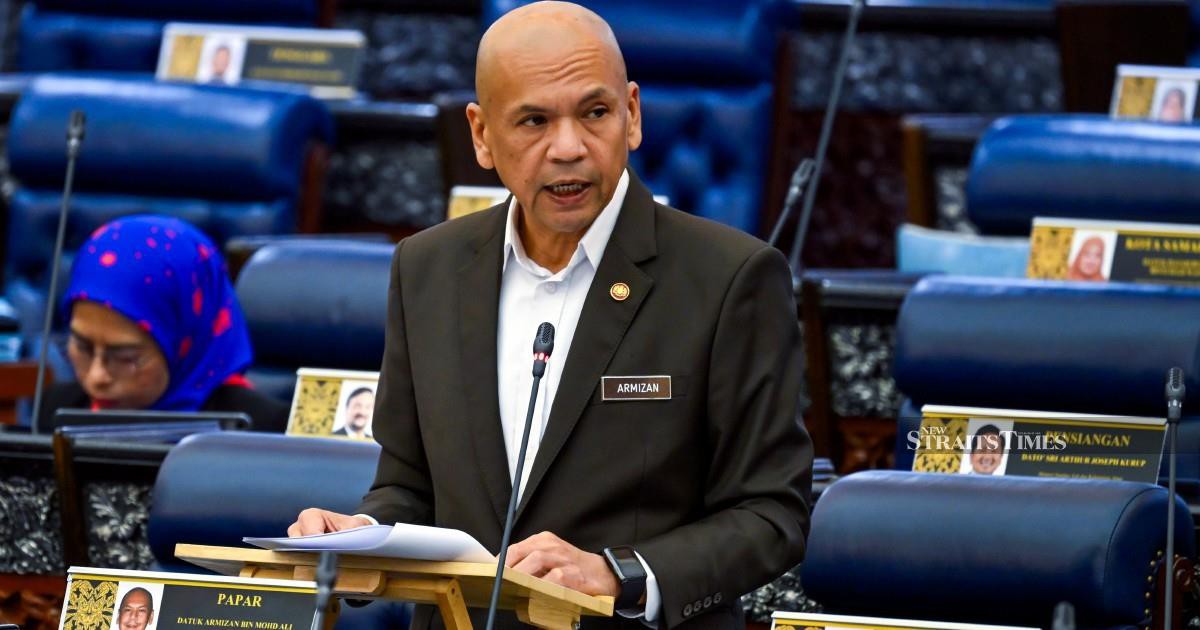
The Royal Commission of Inquiry's report on Tabung Haji has triggered fresh scrutiny of audit practices at Malaysia's leading pilgrimage fund, with parliamentarians questioning whether oversight mechanisms failed to detect underlying problems. According to lawmakers in Kuala Lumpur today, the RCI findings have fundamentally undermined confidence in the audit reports that were formally presented to the Cabinet, Parliament and disclosed to the public over an extended period.
The concerns signal a potential breakdown in the governance framework that underpins Malaysia's system of institutional accountability. Audit reports serve as critical safeguards, designed to ensure that state-linked entities operate transparently and in compliance with regulations. When those reports lose credibility, it raises uncomfortable questions about whether the systems protecting the public interest have been compromised.
Tabung Haji, which manages the savings of millions of Malaysian Muslims preparing for the hajj pilgrimage, operates as one of the nation's most trusted financial institutions. The organisation handles billions of ringgit annually and is subject to rigorous regulatory oversight. Yet the RCI report suggests that information reaching decision-makers may not have been complete or accurate, leaving Parliament and the Cabinet potentially uninformed about the fund's true operational status.
The implications extend beyond Tabung Haji alone. Audit failures or inconsistencies raise broader questions about whether Malaysia's institutional checks and balances are functioning as intended. Lawmakers have long relied on audit reports as an early warning system for governance problems. If those reports cannot be trusted to identify issues, the entire framework for monitoring state institutions becomes suspect.
For Malaysian investors and the millions of Tabung Haji contributors, the RCI findings are particularly concerning. These individuals entrust their life savings to the fund with the expectation that professional oversight will safeguard their interests. When audit integrity is questioned, public confidence in the institution necessarily falters, regardless of whether wrongdoing was deliberately concealed or simply overlooked through systemic weakness.
The RCI process itself reflects government recognition that something went significantly wrong at Tabung Haji. Royal Commissions are typically established only when issues are considered serious enough to warrant independent investigation at the highest level. The fact that the inquiry's conclusions now cast doubt on prior audit reports suggests the problems may be more systemic and deeply rooted than initially appreciated.
For Southeast Asian observers and international stakeholders, the Tabung Haji situation illuminates challenges facing developing economies in maintaining institutional integrity. As Malaysian financial institutions expand their regional footprint and attract international investment, questions about audit reliability and governance standards carry weight beyond Malaysia's borders. Regional competitors and international partners will be monitoring how Malaysia responds to these concerns.
The timing of these revelations also matters. Malaysia has been working to rebuild investor confidence following various corporate and political controversies. Questioning the integrity of audit reports at a major state institution could complicate those efforts. International ratings agencies and investment committees consider governance robustness when evaluating country risk, and systematic audit failures would factor into such assessments.
Parliamentarians raising these questions now face their own pressure to demonstrate that the legislative oversight function remains viable. If audit reports presented to Parliament were inadequate or misleading, MPs themselves share responsibility for not probing more deeply. This may prompt calls for strengthening parliamentary committees and requiring more rigorous scrutiny of reports from state-linked entities before they are formally accepted.
The road ahead will likely involve forensic review of the audit processes that failed to identify issues at Tabung Haji. Authorities will need to determine whether auditors lacked independence, whether they faced pressure to downplay problems, or whether the audit procedures themselves were insufficient for the complexity of the fund's operations. Each possibility points to different remedial actions and carries different implications for future institutional reform.
Regulators and professional accounting bodies will also face pressure to clarify audit standards and ensure they are robust enough to catch emerging problems. The Malaysian Institute of Accountants and the Securities Commission may need to reassess whether existing frameworks adequately protect against audit failure, particularly in large, complex organisations where problems can be concealed across multiple business units or investment portfolios.
Stakeholders across Malaysia's institutional landscape are watching carefully. State pension funds, sovereign wealth vehicles and other major financial institutions now face implicit questions about the reliability of their own audit reports. Restoring public confidence will require not just fixing problems at Tabung Haji, but demonstrating systematic commitment to audit independence and integrity throughout the financial system.

