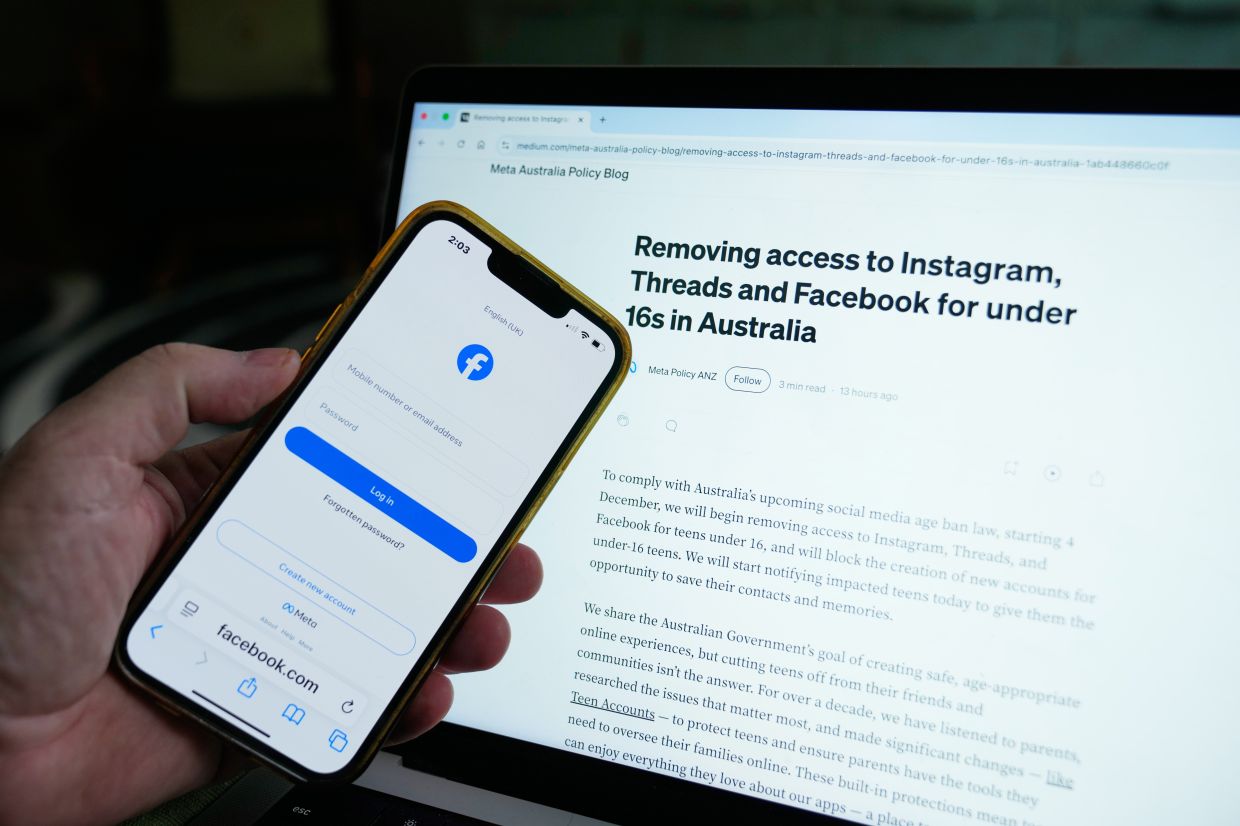
Australia's government has moved swiftly to strengthen its controversial ban on children under 16 accessing platforms such as Facebook, Instagram and YouTube, but has encountered significant resistance in Parliament. Prime Minister Anthony Albanese expressed frustration this week after the centre-left Labour government's proposed amendments faced an eight-week Senate delay triggered by the conservative Liberal Party and the Australian Greens. The delay threatens to undermine the ban's effectiveness, Albanese argues, because social media companies could use the intervening time to erase records of their compliance efforts.
Introduced to Parliament by the government, the amendments seek to expand the authority of eSafety Commissioner Julie Inman Grant, Australia's online safety regulator, whose mandate has already been tested since the ban took effect in December. Currently, Inman Grant possesses the power only to request information from social media platforms. The proposed changes would substantially broaden her toolkit, granting her the authority to demand production of documents and conduct investigations into how platforms are implementing age verification and enforcement mechanisms. These expanded powers reflect growing evidence that the initial legislative framework may lack sufficient muscle to achieve its intended objectives.
The government's urgency stems from alarming compliance data released earlier this year. Although authorities reported that more than 5 million child accounts were initially removed, deactivated or restricted following the ban's implementation, a March assessment by the eSafety Commissioner revealed a starkly different picture. Seven in ten children who maintained accounts on restricted platforms when the ban came into force have remained on Facebook, Instagram, Snapchat and TikTok. This suggests that many young users have simply circumvented the restrictions through falsified age information or other workarounds, rendering the headline enforcement figures largely illusory.
FacingEvidence of widespread non-compliance, Inman Grant signalled in April her intention to pursue legal action against major platforms, accusing them of failing to implement reasonable safeguards to exclude minors. The Commissioner has, however, expressed satisfaction with efforts by the remaining restricted platforms—X, Kick, Reddit, Threads and Twitch—indicating that enforcement responses need not be uniformly harsh. The mixed results suggest that some platforms take their obligations more seriously than others, and that the regulatory framework requires refinement rather than wholesale replacement.
Among the proposed amendments is a provision to double maximum penalties for non-compliant platforms from A$50 million to A$99 million, approximately US$68 million. This doubling is intended to create meaningful financial incentive for compliance with age-gating requirements. However, critics from across the political spectrum have questioned whether this approach addresses the underlying problem. Greens Senator David Shoebridge, who has consistently opposed the social media ban on civil liberties grounds, pointed out that regulatory authorities have never actually imposed substantial fines under existing legislation, making the announcement of higher penalties appear performative rather than substantive.
The Liberal Party opposition, meanwhile, has adopted a different critical stance. Opposition communications spokesperson Senator Sarah Henderson dismissed the ban as a poorly designed initiative that was rushed into law and has failed in practice. Rather than accepting the government's proposed amendments, the Coalition argues that the legislation itself requires fundamental redesign. Henderson indicated that the opposition plans to use the Senate inquiry to demand considerably tougher measures, suggesting that both major conservative and progressive critics view the current approach as inadequate, albeit from entirely different philosophical starting points.
The Senate inquiry referral represents a significant procedural challenge for the Albanese government. Because Labour does not command a Senate majority, the party requires opposition support to pass legislation. The eight-week inquiry timeline means that the requested amendments cannot proceed until September at the earliest, delaying implementation of the enhanced enforcement mechanisms by two months. Albanese contends this window provides an opportunity for platforms to systematically remove evidence of non-compliance efforts, effectively erasing the paper trail that would demonstrate whether companies have genuinely attempted to fulfil their obligations under the ban.
Communications Minister Anika Wells reinforced the government's concerns, stating that she has received monthly progress reports from the eSafety Commissioner since March and observed no meaningful improvement in platform compliance. This stagnation despite the passage of more than six months suggests that voluntary cooperation or existing legislative penalties have proven insufficient to motivate companies to implement effective age verification systems. The data point to a fundamental mismatch between the regulatory expectations established in December and the technical and commercial capacity or willingness of platforms to meet those expectations.
Australia's experience with this ban has attracted international attention as numerous countries consider implementing similar restrictions. Governments in Britain, the United States and elsewhere have proposed legislation targeting young people's access to social media, and many are observing Australia's implementation to gauge the practical difficulties that such bans entail. The visible gap between the ban's legislative intent and its enforcement reality offers crucial lessons for policymakers elsewhere, particularly regarding the importance of creating robust compliance mechanisms before legislation takes effect. Australia's experience demonstrates that simply prohibiting access without simultaneously establishing powerful investigative and penalty frameworks leaves regulators unable to hold platforms accountable.
The political disagreement over enforcement mechanisms also illuminates the challenge of achieving consensus on online safety regulation. The Greens' opposition stems from concerns about privacy and state power, while the Coalition's critique focuses on the government's apparent incompetence in drafting and implementing the policy. These divergent objections make it unclear what form of legislation could satisfy all constituencies. Nevertheless, the consensus that the current approach is inadequate appears genuine across party lines, suggesting that whatever emerges from the Senate inquiry will likely represent a significant recalibration of Australia's approach to protecting young people online.

