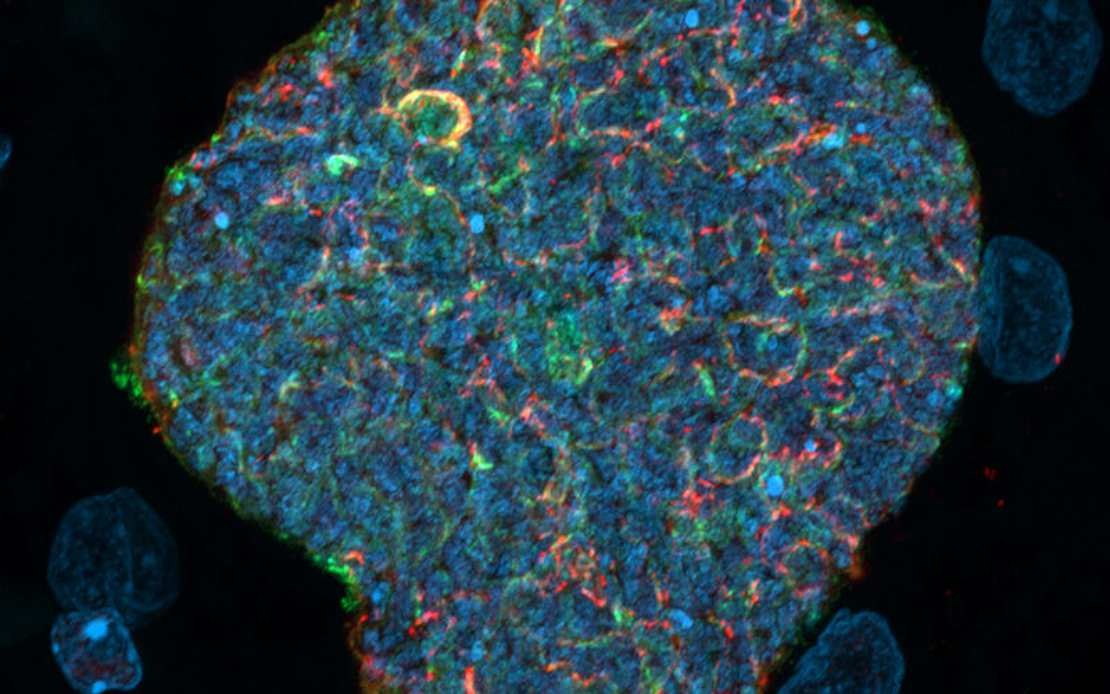
Researchers at Australia's Walter and Eliza Hall Institute of Medical Research have unveiled a paradigm-shifting approach to malaria prevention that reimagines the mosquito bite from a vector of infection into a tool for immunological reinforcement. The strategy addresses one of tropical medicine's most persistent challenges: maintaining durable protection against Plasmodium parasites across populations in disease-endemic regions where transmission remains continuous.
The innovation centres on a dual-mechanism intervention pairing an initial vaccination with investigational antimalarial compounds developed jointly by WEHI and pharmaceutical firm MSD. Rather than attempting to prevent all mosquito-human contact—an objective that has proven impractical across most malaria-endemic territories—the approach strategically leverages natural exposure to optimize immune memory. When mosquitoes subsequently deliver parasites through their bites, the primed immune system recognises and neutralizes the invading organisms before they establish infection.
The scientific mechanism underlying this breakthrough involves precision timing at the parasitic lifecycle stage. The antimalarial compounds intercept malaria parasites at the late liver stage, the critical juncture just before organisms transition into the bloodstream where they multiply and trigger symptomatic disease. By containing parasites at this bottleneck, the intervention generates a robust immune response without allowing pathogenic progression. This controlled exposure essentially functions as a natural booster vaccination, with each subsequent mosquito bite reinforcing protective immunity rather than threatening infection.
For Southeast Asia and the Pacific, where malaria transmission persists across diverse ecological settings from lowland forests to coastal regions, this approach offers particular relevance. Nations including Malaysia, where malaria elimination efforts have achieved substantial progress but where importation and focal transmission remain concerns, could integrate such technology into comprehensive control strategies. The method's effectiveness in naturally exposed populations could reduce dependence on continuous chemoprophylaxis, which faces challenges including drug costs, adherence complications, and emerging parasite resistance.
The strategic framework differs markedly from conventional vaccination paradigms that aim to provide sterilising immunity preventing any parasitic establishment. Instead, it accepts the biological reality of transmission in endemic settings and harnesses that exposure constructively. This pragmatic approach acknowledges that absolute prevention through behavioural or environmental modification remains unattainable across much of tropical Africa, Asia, and Oceania, where poverty, limited infrastructure, and ecological factors sustain mosquito populations.
Current development trajectories indicate WEHI researchers are advancing a long-acting injectable formulation based on the antimalarial compounds, though this remains in preclinical phases. The transition from laboratory demonstration to clinical evaluation and ultimately to field deployment typically requires several years of safety assessment, efficacy validation, and regulatory approval. However, the conceptual framework provides a viable pathway that could complement existing malaria control pillars including bed nets, indoor residual spraying, and artemisinin-based combination therapies.
The global burden motivating such innovation remains staggering. The World Health Organisation documented approximately 610,000 deaths attributable to malaria worldwide during 2024, with the vast majority occurring among children under five in sub-Saharan Africa. Southeast Asian nations collectively experience hundreds of thousands of infections annually, straining health systems already managing multiple infectious disease priorities. Any innovation reducing this burden through enhanced prevention could generate substantial public health dividends.
Malaysia's experience illustrates the potential applications. Following decades of sustained control efforts, the country has eliminated malaria transmission in most regions, yet vigilance persists in remaining foci and among populations returning from endemic countries. A vaccination strategy that strengthens immunity through natural exposure could support maintenance of elimination status while simplifying protection for individuals traversing higher-risk zones. Similar applications extend across Brunei, Singapore, and parts of Thailand where malaria epidemiology has shifted from endemic to imported cases, making individual-level protection increasingly relevant.
The research exemplifies growing recognition that effective tropical medicine solutions must accommodate, rather than merely oppose, local epidemiological realities. Previous decades witnessed substantial investment in tools presuming elimination of mosquito populations or blocking all transmission—ambitious objectives that, while theoretically sound, encountered implementation barriers across resource-limited settings. The WEHI approach instead works within ecological constraints, transforming endemic transmission into a mechanism for sustained immunological reinforcement among vaccinated populations.
Clinical translation will require rigorous demonstration that the antimalarial compounds reliably contain parasites at the liver stage across diverse genetic backgrounds and transmission intensities. Field trials would need to confirm that natural mosquito-delivered boosting generates durable protection across multiple years and across age groups. Regulatory approval will demand comprehensive safety profiling, particularly regarding potential drug interactions and effects among pregnant women and young children—populations at highest risk from malaria complications.
The commercial and public health landscape surrounding this innovation also merits consideration. MSD's involvement suggests private sector interest in malaria prevention tools, potentially enabling investment and distribution infrastructure that might not materialize through public funding alone. However, ensuring equitable access across low-income populations in endemic regions will require deliberate policy mechanisms, potentially including tiered pricing, procurement agreements, and integration into established immunization programs.
Looking forward, the WEHI findings represent incremental but meaningful progress within the broader ecosystem of malaria elimination strategies. While not a standalone solution—elimination ultimately requires comprehensive approaches combining multiple interventions—the work demonstrates how immunological innovation can align with epidemiological realities to generate practical public health advances. For Southeast Asia and beyond, sustained investment in such research offers realistic pathways toward reducing malaria's persistent toll on vulnerable populations.

