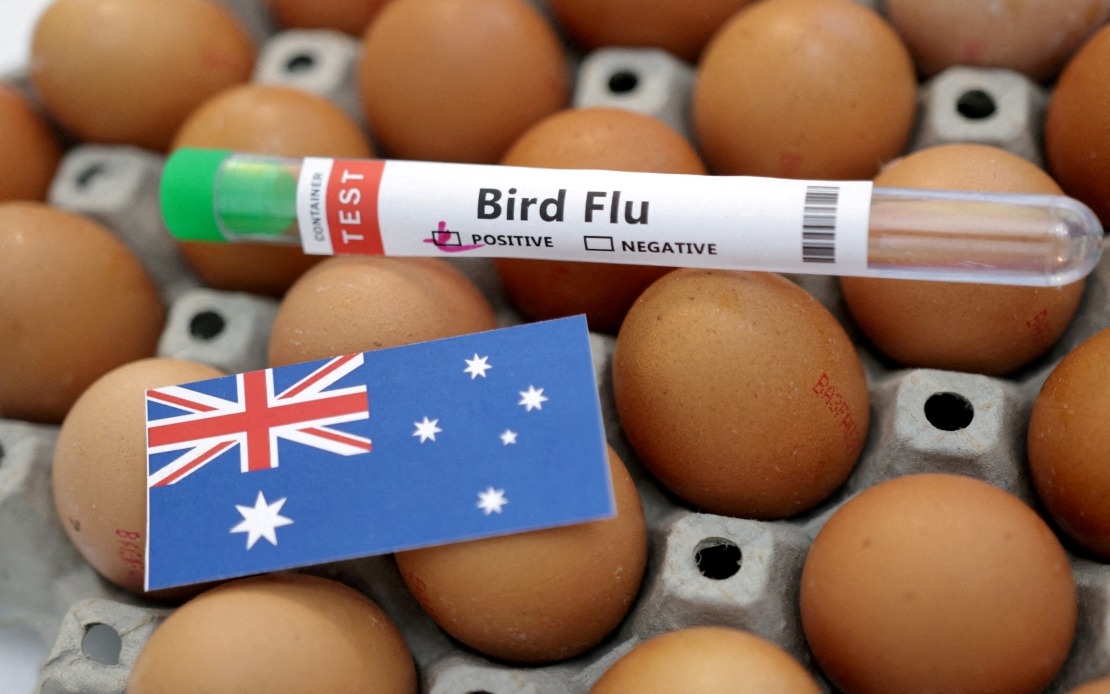
Australia is grappling with an escalating H5N1 bird flu crisis that has surpassed 200 confirmed or presumed cases, prompting state governments to impose strict biosecurity measures aimed at protecting the nation's poultry industry from the highly pathogenic strain. As of Saturday, August 8, the federal Department of Agriculture, Fisheries and Forestry reported 203 cases nationally, marking a dramatic acceleration of the outbreak that threatens both wildlife and commercial farming operations across the country.
The speed of transmission has been startling, particularly over the past month. In late July, Australia recorded only 52 confirmed cases, but by early August the tally had surged to 203—a 290 percent increase in just over a week. This steep trajectory underscores the virus's rapid spread through wild bird populations and the mounting risk it poses to domesticated poultry flocks, which remain the primary economic and food security concern for regulators and farmers alike.
South Australia has emerged as the epicentre of the outbreak, accounting for nearly three-quarters of all detected cases with 147 infections. The state reported a particularly sharp spike on Saturday alone, when 28 new cases were confirmed in wild seabirds, many detected along the coast where migratory and resident seabird populations congregate. These waterborne species have proven to be efficient vectors for the virus, amplifying transmission risks as they move between coastal regions and inland habitats where domestic poultry operations may be located.
Victoria, Australia's second-most affected jurisdiction, has recorded 43 cases to date, with a cluster of 36 birds confirmed on Thursday and Friday after being discovered in the state's western regions near the South Australian border. The concentration of cases in this border zone suggests the virus is spreading through natural wildlife corridors, and the proximity to adjacent states raises concerns about cross-border transmission if preventive measures are not rapidly implemented across all affected areas.
Respponding to these escalating figures, the Victorian government unveiled a suite of new biosecurity protocols on Friday that represent among the strictest measures adopted in Australia to date. Under the directive, poultry producers along Victoria's south coast—encompassing the greater Melbourne metropolitan area—must now confine flocks of 50 birds or more indoors for an initial 14-day period. This mandatory housing requirement represents a significant operational and economic imposition on commercial producers, disrupting normal farming practices and requiring substantial adjustments to ventilation, feeding, and waste management systems.
Victorian Agriculture Minister Michaela Settle framed the indoor confinement order as a precautionary measure designed to interrupt transmission pathways between wild bird populations and domestic flocks. The logic is straightforward: by removing poultry from outdoor environments where they might come into contact with infected wild birds, water sources contaminated by avian droppings, or fomites carried by wildlife, authorities aim to create a protective barrier that could halt the virus's incursion into Australia's multi-billion-dollar poultry sector.
For Malaysian and broader Southeast Asian readers, this Australian outbreak carries important implications for regional biosecurity vigilance. The rapid spread of H5N1 in Australia demonstrates how swiftly avian influenza can establish itself once introduced into a region with substantial wild bird populations and commercial poultry operations. Southeast Asia, which has long grappled with H5N1 endemicity, must view Australia's situation as a cautionary reminder of the virus's persistent pandemic potential and the critical importance of sustained surveillance, rapid reporting, and coordinated cross-border responses.
The outbreak also highlights vulnerabilities in global supply chains and the agricultural interconnections between Australia and neighbouring regions. Should the outbreak intensify and production capacity be compromised, regional poultry markets could face supply disruptions or price volatility. Malaysian poultry producers and importers should monitor the situation closely, as any significant reduction in Australian egg or poultry exports could create competitive or supply advantages domestically, or conversely, disrupt established trade relationships and pricing structures.
Moreover, the Australian government's reliance on mandatory indoor confinement as a primary containment tool reflects a shift toward more aggressive biosecurity postures globally. This approach differs from previous strategies that emphasised quarantine and culling and suggests that international authorities are increasingly willing to impose substantial operational burdens on producers as a preventive measure. For Malaysia and other nations in the region, this signals a possible direction for future biosecurity frameworks and the need for poultry sectors to invest in infrastructure—such as improved housing systems and enhanced ventilation—that can accommodate rapid implementation of such restrictions when outbreaks occur.
The composition of Australia's detected cases—predominantly wild seabirds in South Australia and a smaller number in Victoria—indicates that the outbreak remains primarily confined to wildlife populations rather than poultry flocks at present. This distinction is crucial, as it suggests the window for containment before commercial producers are severely impacted may still exist, provided authorities maintain vigilant surveillance and enforce biosecurity measures uniformly across affected regions. However, the 14-day indoor confinement period in Victoria is explicitly described as an initial measure, implying that authorities are preparing for potential extensions and more stringent requirements if cases continue to escalate.

