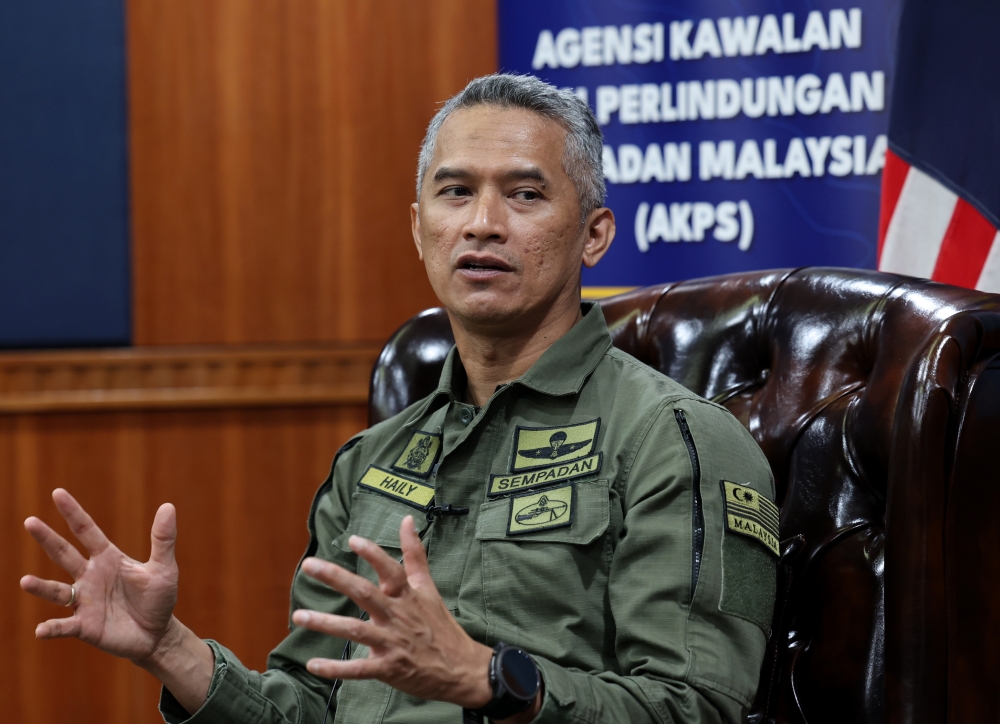
Malaysian authorities have launched a formal review into border security protocols following the arrest of a Malaysia Airlines pilot who allegedly carried drugs through Kuala Lumpur International Airport before being apprehended at an Indonesian airport. The incident has prompted urgent questions about the effectiveness of baggage screening procedures and whether existing security measures adequately detect prohibited substances, particularly for airline crew members who frequently cross borders with minimal scrutiny.
The pilot's baggage underwent standard screening procedures at KLIA without triggering any alerts, according to the chief of Malaysia's border agency. This revelation has cast a spotlight on potential vulnerabilities in the country's customs and security infrastructure, particularly concerning how restricted items slip past detection systems designed to intercept contraband. The apparent failure to identify the drugs at Malaysia's primary international gateway raises concerns about the reliability of current screening technologies and protocols.
The arrest in Jakarta marks a rare incident involving Malaysia Airlines operational staff, adding another dimension to broader aviation security discussions across Southeast Asia. Such high-profile cases involving airline personnel tend to damage the reputation of carriers and raise passenger confidence issues, even when incidents occur outside normal flight operations. For Malaysia Airlines specifically, this comes at a sensitive time when the airline continues rebuilding its brand following previous safety-related controversies.
Border security experts suggest that the case highlights systemic challenges faced by many Southeast Asian airports struggling to balance efficiency with rigorous screening. Kuala Lumpur International Airport, while considered one of the region's more sophisticated facilities, processes hundreds of thousands of passengers and countless cargo shipments daily. The sheer volume of traffic creates inherent challenges for detection systems, and airport staff may rely too heavily on automated screening that can be circumvented by experienced travellers familiar with security protocols.
The fact that the pilot passed through KLIA without incident but was subsequently caught in Jakarta indicates potential cooperation between Malaysian and Indonesian customs authorities or perhaps more rigorous screening at the destination airport. Indonesian authorities' ability to detect what Malaysian systems missed raises questions about comparative security standards and whether airports should be sharing real-time intelligence about detection methodology. Regional coordination on drug smuggling and contraband detection remains inconsistent, leaving gaps that smugglers can exploit.
Malaysia's border agency chief has indicated that a comprehensive examination is underway to understand how the contraband evaded detection. This investigation will likely examine baggage handling procedures, the calibration and maintenance of screening equipment, staff training protocols, and whether standard procedures were followed in this case. Officials may also review whether airline crew members receive special treatment that inadvertently reduces scrutiny, creating preferential pathways that could be exploited.
The broader implications extend beyond this single case. Malaysia serves as a major transit hub for regional air travel and commerce, with KLIA handling connections for passengers and cargo moving throughout Southeast Asia. Any weaknesses in screening procedures potentially affect not only Malaysia's drug interdiction efforts but also those of neighbouring countries. Intelligence sharing about smuggling techniques and contraband movement patterns remains crucial for the region's collective security.
Crew members' frequent travel patterns across borders present distinct security challenges compared to regular passengers. Airlines and authorities must balance operational efficiency with security requirements, yet the ease with which crew can move through airports may create complacency. Professional pilots enjoy relatively high social standing and trust within their organisations, which could inadvertently reduce the level of scrutiny applied to their movements compared to ordinary travellers.
The incident also raises questions about substance abuse within the aviation industry itself. Pilot fitness-for-duty standards include regular medical examinations and drug screening, yet this case suggests that some individuals may slip through oversight mechanisms. The safety implications are significant—pilots operate multi-million ringgit aircraft carrying hundreds of passengers. Any impairment from substance use represents an unacceptable risk to aviation safety and public security.
Indonesian authorities have been cooperating with Malaysian counterparts regarding the investigation, setting a positive precedent for cross-border security cooperation. The incident may accelerate discussions about harmonising security standards across ASEAN airports and improving real-time information sharing among customs and border agencies. Such coordination could prove instrumental in dismantling smuggling networks that exploit inconsistencies between national border systems.
Looking forward, Malaysian authorities are likely to implement additional measures targeting crew members and high-frequency travellers. Enhanced random screening, unannounced inspections, and stricter protocols for airline personnel may become standard practice. Technology upgrades, including more advanced screening equipment and artificial intelligence-powered detection systems, could help address current gaps. However, such measures must be implemented carefully to avoid excessive delays that disrupt aviation operations.
The case serves as a reminder that aviation security remains a continuous challenge requiring vigilance, investment, and international cooperation. As drug trafficking networks become increasingly sophisticated, employing professional couriers and exploiting regular travel patterns, border agencies must evolve their tactics accordingly. For Malaysia Airlines and other regional carriers, the incident underscores the importance of implementing complementary internal screening measures and staff security protocols that extend beyond government border infrastructure.

