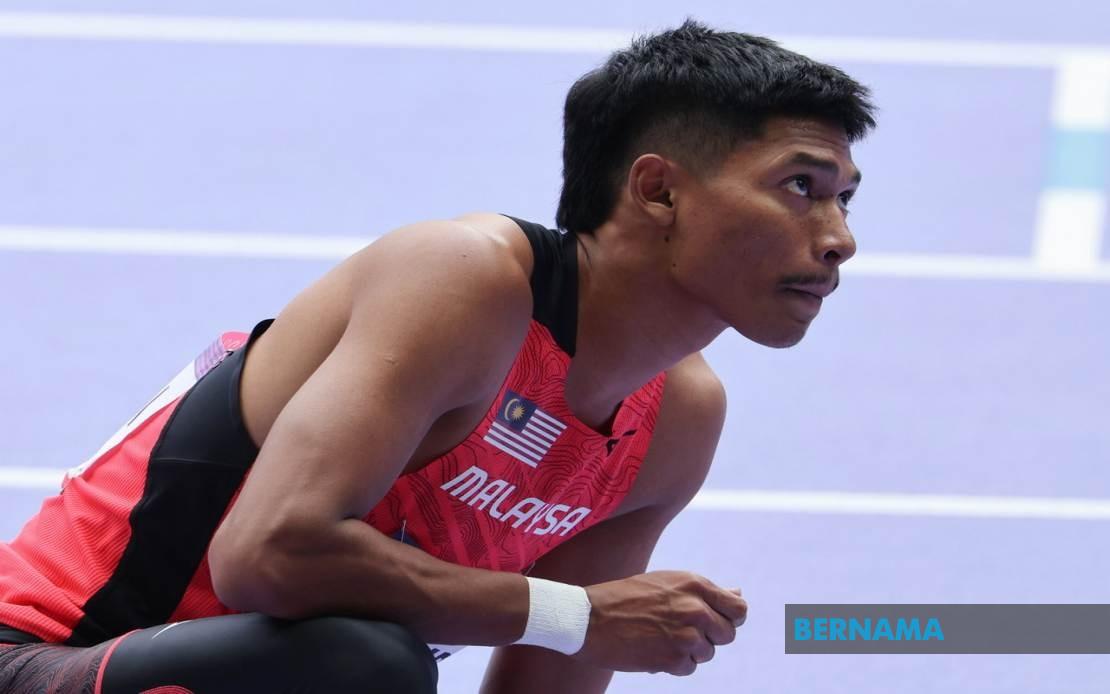
Muhammad Azeem Mohd Fahmi, Malaysia's most accomplished sprinter, has opted to remain in his home country rather than pursue opportunities abroad, marking a significant decision for the athlete after four years pursuing tertiary education in the United States. The 22-year-old, who holds the national 100-metre record with a time of 10.09 seconds, completed his studies at Auburn University and is now charting a course that emphasises rebuilding personal connections whilst maintaining momentum in his athletic career.
Azeem's choice to stay reflects a broader priority shift toward family and close relationships, a sentiment he emphasised when addressing reporters. Having spent an extended period away from Malaysia pursuing both academic and sporting ambitions, the sprinter expressed a desire to reconnect with those who have provided foundational support throughout his development. This decision carries particular resonance in Malaysian sporting culture, where family support systems often play crucial roles in athlete development, particularly for young performers navigating the demands of elite competition.
The sprinter's competitive pedigree remains evident in his national record, which places him among the faster 100-metre performers in Southeast Asia. His time of 10.09 seconds represents years of dedicated training and represents the calibre of athlete Malaysia has developed in recent decades. Such performances underscore the quality of coaching infrastructure within the country, even as many Malaysian athletes have historically sought training environments abroad to accelerate their development.
Azeem's training structure reflects a hybrid approach that leverages both international expertise and domestic support systems. American coach Ken Harnden, who worked with the sprinter during his Auburn years, will continue designing his training programmes remotely, ensuring continuity in the coaching methodology that has shaped his performance trajectory. This arrangement allows Azeem to benefit from Harnden's experience whilst integrating local expertise through Muhammad Amir Izwan Tan Abdullah, who will oversee day-to-day training sessions in Malaysia.
This dual-coaching model has become increasingly common among Malaysian athletes seeking to maintain world-class preparation standards whilst remaining based domestically. The approach offers practical advantages, including cost management, family proximity, and integration within Malaysia's athletics ecosystem. For young sprinters particularly, maintaining contact with international coaches whilst training locally can provide both the technical rigour necessary for elite performance and the stability that comes from established social networks.
Beyond immediate athletic pursuits, Azeem has articulated intentions to pursue graduate-level studies, though he has prioritised a transitional period focused entirely on athletics. This measured approach suggests sophisticated planning, recognising that the window for maximising performance at the elite level may be more constrained than opportunities for further education. His willingness to defer academic advancement demonstrates a realistic assessment of where his competitive advantages lie and when those advantages might be optimally leveraged.
The decision also reflects evolving patterns in Malaysian sport, where athletes increasingly view international exposure as developmental stepping stones rather than permanent relocations. Azeem's pathway—studying and competing abroad before returning home—mirrors trends among other regional athletes who gain experience internationally but maintain primary career bases in their home countries. This pattern offers potential advantages for Malaysian athletics more broadly, potentially enriching the domestic coaching environment with athletes who have trained under world-class systems.
Azeem's situation underscores ongoing challenges within Malaysian athletics regarding infrastructure and international competitiveness. Whilst the country has produced elite performers, many have historically required overseas training environments to reach their potential. Azeem's willingness to develop primarily domestically after his Auburn experience could signal confidence in Malaysia's athletics development systems, though maintaining competitive standards will require continued investment in coaching expertise, training facilities, and performance support services.
The sprinter's focus on family and personal relationships after an extended absence illustrates an often-overlooked dimension of athlete development. The psychological and emotional toll of international competition and extended separation from support networks can significantly impact long-term sustainability in sport. His deliberate decision to prioritise reconnection suggests recognition that sustainable athletic careers rest on foundations beyond training data and competition schedules.
Moving forward, Azeem's trajectory will provide instructive lessons for Malaysian athletics. His performance during the coming competitive season will indicate whether training coordination between international and domestic coaches can yield continued progression. Additionally, his experience may influence how other Malaysian athletes calibrate international development opportunities against domestic commitments, potentially creating pathways that strengthen rather than deplete the country's athletic talent pool.