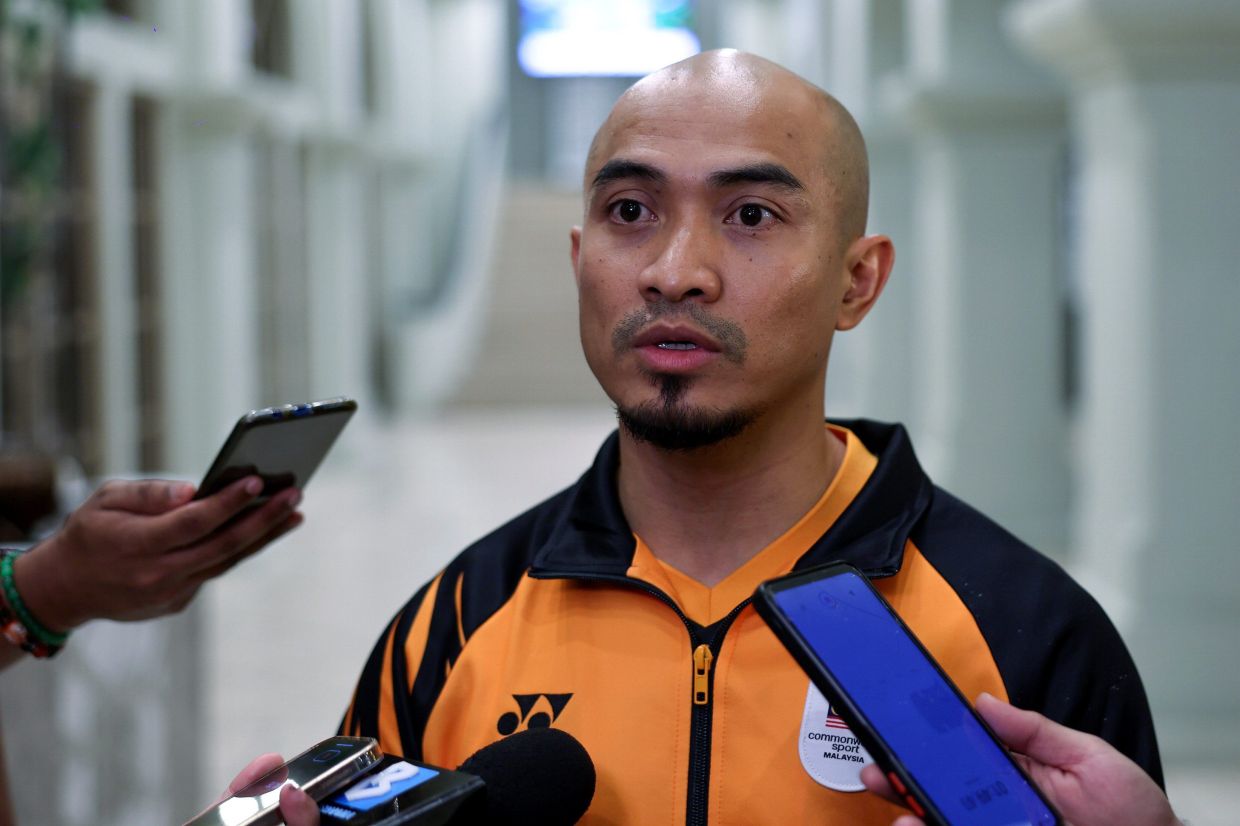
Five-time Olympian and track cyclist Azizulhasni Awang has broken his silence over what he characterizes as disorganized and unprofessional management of his future with Malaysia's national cycling team, signalling his willingness to absorb public criticism for speaking truth to those in power.
In an extensive statement distributed via Instagram, the 38-year-old athlete aired frustrations about his continuing limbo regarding whether the Youth and Sports Ministry and National Sports Council genuinely intend to support his bid for qualification to the 2028 Los Angeles Olympics. The disclosure marks a significant moment for Malaysian cycling and raises broader questions about institutional competence within the national sports administration.
Awang's frustration stems from extended uncertainty that has persisted for over two months following a June 23 meeting attended by himself and John Beasley, the national cycling team's technical director. During that gathering, both men presented detailed explanations about the Olympic qualification timeline and the specific obstacles confronting Malaysian track cycling programmes. Yet no clear directive or commitment has emerged from the supervising government bodies in the interim, leaving his status unresolved.
The athlete characterizes the prolonged delay as symptomatic of systemic dysfunction at the institutional level. He contends that the Youth and Sports Ministry and National Sports Council have failed to demonstrate the professionalism and operational efficiency needed for sound decision-making on matters affecting elite athletes. Rather than allowing an issue of such consequence to languish without resolution, Awang suggests that decisive action months ago would have prevented his decision to make public statements he would otherwise prefer to avoid.
Awang's grievance touches on a deeper concern about leadership quality within Malaysian sports governance. The veteran athlete has questioned whether those elevated to senior positions within national sports organisations possess adequate experience and expertise to manage complex strategic challenges. He pointedly calls for the government to halt the practice of appointing inexperienced figures to major leadership roles, warning that such appointments carry consequences that ripple through grassroots participation and ultimately diminish the nation's international competitiveness.
The broader implications of Awang's intervention extend beyond track cycling. His critique signals that institutional inertia and poor governance at the ministry level create real hardship for Malaysian athletes who depend on clear policy direction and adequate resources. The willingness of an accomplished sportsman to risk official displeasure by speaking publicly suggests mounting frustration among elite performers who find themselves caught between their professional ambitions and bureaucratic lethargy.
Awang acknowledges that his statements will provoke anger among certain officials and stakeholders invested in existing power structures. However, he frames his intervention as rooted in straightforward honesty aimed at systemic improvement rather than personal grievance. He notes that colleagues familiar with his track record understand his reputation for directness and recognize that he speaks candidly precisely because he cares about the collective welfare of Malaysian sport, not personal advantage.
The decision to voice these criticisms publicly represents a calculated risk. Awang understands that challenging government institutions and their leadership carries potential professional repercussions for an athlete still dependent on state support and official recognition. Yet he expresses confidence that his position rests on solid moral and factual ground, suggesting that the core issues he has identified are defensible and warrant public discussion regardless of official discomfort.
Awang's intervention also speaks to a significant gap in athlete advocacy and protection mechanisms within Malaysia's sporting system. He notes that few athletes possess either the profile or the courage to publicly address threats to their welfare and prospects. His willingness to take what he describes as a "major risk" reflects not merely personal concern but a determination to establish precedent that might benefit Malaysian athletes more broadly by normalizing honest criticism of institutional failures.
The timing of his statement, coinciding with extended uncertainty about his Olympic pathway, suggests that Awang views this moment as critical for his career planning. Delay beyond reasonable periods makes constructive preparation increasingly difficult. Whether interpreted as ultimatum or urgent appeal, his public statement appears designed to force institutional decision-making that bureaucratic processes have failed to produce.
Awang's critique implicitly raises questions about how Malaysia's sports administration manages athlete welfare during periods of programme evaluation and strategic planning. The absence of timely communication to athletes whose careers hang in the balance represents a governance failure that undermines institutional credibility regardless of ultimate policy decisions concerning the 2028 Olympics.
The veteran cyclist concludes with an expressed hope that his intervention will catalyse meaningful change in Malaysian sport's institutional culture, creating frameworks that reliably protect athlete interests and provide consistent support for preparation and qualification. Whether his public statement achieves these outcomes remains uncertain, but his willingness to challenge established power dynamics signals that at least some within Malaysia's sporting community refuse passive acceptance of administrative dysfunction.

