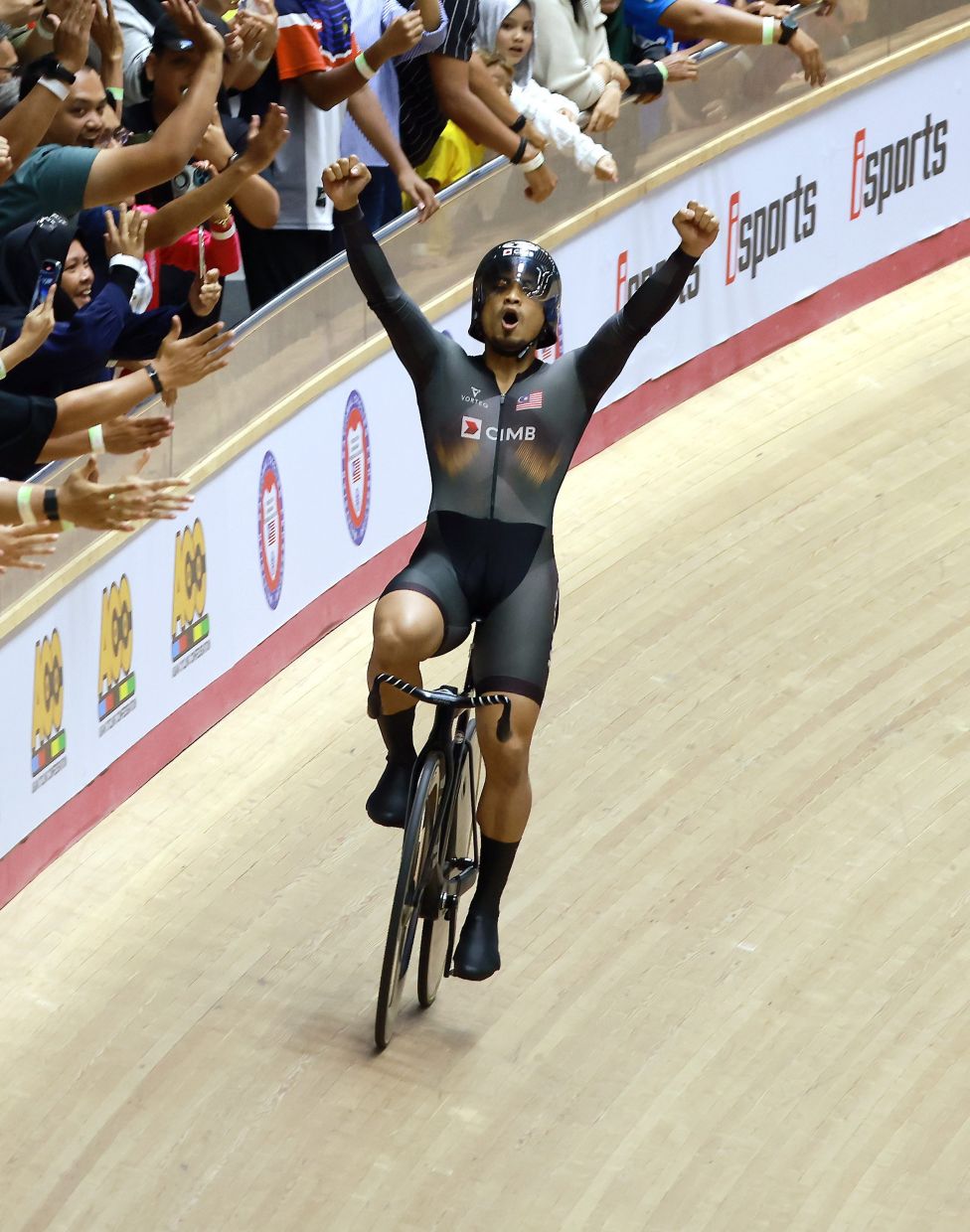
The uncertainty that has clouded Malaysian track cyclist Azizulhasni Awang's future has finally lifted. The 38-year-old received official confirmation from the National Sports Council and the Youth and Sports Ministry on Merdeka Day that his services remain vital to Malaysia's Olympic ambitions for Los Angeles 2028, prompting an emotional response from the veteran keirin specialist who has long contemplated stepping away from competitive cycling.
Awang's announcement came through a video posted on social media, recorded at the velodrome during what he described as his first training session following a week of enforced inactivity. The emotional toll of the preceding uncertainty was evident in his words, as he recounted receiving an email from both institutions confirming their continued commitment to supporting his Olympic qualification and competition journey. The timing held particular resonance—receiving this affirmation on Malaysia's national independence day suggested a resolution to what had become an increasingly contentious public controversy.
The Malaysian National Cycling Federation had previously disclosed that both the NSC and ministry would provide Azizul with the necessary support for his LA 2028 campaign, but the official confirmation represented a turning point in what had been a prolonged period of limbo. Awang's emotional state during the announcement underscored just how draining the uncertainty had been. He described a mental and physical paralysis during his week away from training, explaining that when he attempted to return to the velodrome, he felt disconnected from both his body and his purpose.
The underlying tension reflected the real pressures facing aging elite athletes in the Olympic system. At 38, Awang faced a straightforward choice: retire as an accomplished competitor or attempt one final push toward another Olympic cycle. However, this personal decision had been complicated by a lack of clarity from the governing bodies responsible for supporting his efforts. Awang had publicly stated his willingness to continue racing only if the NSC and ministry determined that his participation served Malaysia's competitive interests, requiring them to make a binding commitment rather than leaving him in limbo.
What transformed this administrative matter into a public issue was the apparent delay in reaching that decision. The former keirin world champion had been seeking clarity since before the Glasgow Commonwealth Games, a timeline suggesting that months had passed without a definitive answer from the authorities charged with managing Malaysian sports policy. This created an untenable situation for an athlete contemplating the final chapter of his career—unable to commit fully to preparation without knowing whether the support structure would materialize.
The public nature of Awang's frustration proved consequential. When he aired his grievances on social media, Malaysian netizens rallied to his cause, particularly as the criticism extended to the Youth and Sports Minister Dr Taufiq Johari. The groundswell of public support reflected broader sentiment within Malaysia regarding the treatment of veteran athletes and the perceived bureaucratic inefficiency in sports administration. Rather than remaining a behind-the-scenes negotiation, the matter became a referendum on how the country values its sporting pioneers.
Awang's emotional gratitude in his announcement extended beyond the institutional relief of receiving confirmation. He expressed profound appreciation for the thousands of Malaysians who had expressed support through messages and social media comments, emphasizing that he had not solicited this backing yet it had nonetheless materialized. This public dimension appeared to matter deeply to him, suggesting that the support transcended mere administrative procedure—it represented validation from the broader Malaysian community of his worth and contributions to national sport.
The resolution carries implications for Malaysian cycling's broader trajectory. Awang remains one of the country's most decorated track cyclists and his participation in LA 2028 would provide continuity and experience in the velodrome program. His presence on the team would likely strengthen Malaysia's competitive positioning in track events, particularly in sprint disciplines where his expertise remains formidable. At the same time, securing his commitment allows the cycling federation and sports ministry to plan training schedules, competition calendars, and funding allocation with greater certainty.
For Awang himself, the confirmation represents both closure and new beginning. He has expressed his intention to continue racing specifically until the 2028 Los Angeles Games, establishing a clear endpoint that will likely guide his remaining competitive career. This finite timeline provides psychological and practical advantages—he can structure his training, nutrition, and competition schedule around this singular objective without the perpetual uncertainty of whether each season might be his last.
The episode also illuminates the challenges facing athletes in their late thirties who remain competitive at elite levels. Unlike younger competitors with potentially multiple Olympic cycles ahead, veterans navigate a narrower window where organizational support becomes crucial. Without institutional backing, maintaining the infrastructure for elite performance—training facilities, coaching expertise, physiotherapy, competition opportunities—becomes significantly more challenging. Awang's case demonstrates that even accomplished athletes with substantial track records require affirmation of their value from the systems designed to support them.
Moving forward, the National Sports Council and Ministry's endorsement means Awang can pursue qualification pathways with full institutional support. This encompasses funding for training camps, competition entries, coaching staff, and the logistical requirements of competing on the international track cycling circuit. For Malaysian cycling enthusiasts and observers across Southeast Asia, the outcome suggests that public pressure and collective advocacy can influence sports administration decisions, potentially setting precedent for how future disputes between athletes and governing bodies are resolved.
As Awang returns to intensive preparation for LA 2028, his tears of relief mark not merely personal vindication but also a broader affirmation of the value Malaysia places on honouring its sporting commitments and supporting athletes who have dedicated decades to representing their nation. The confirmation positions him to make a meaningful contribution to Malaysia's Olympic team in three years, provided he remains healthy and maintains the form that has characterized his distinguished international career.

