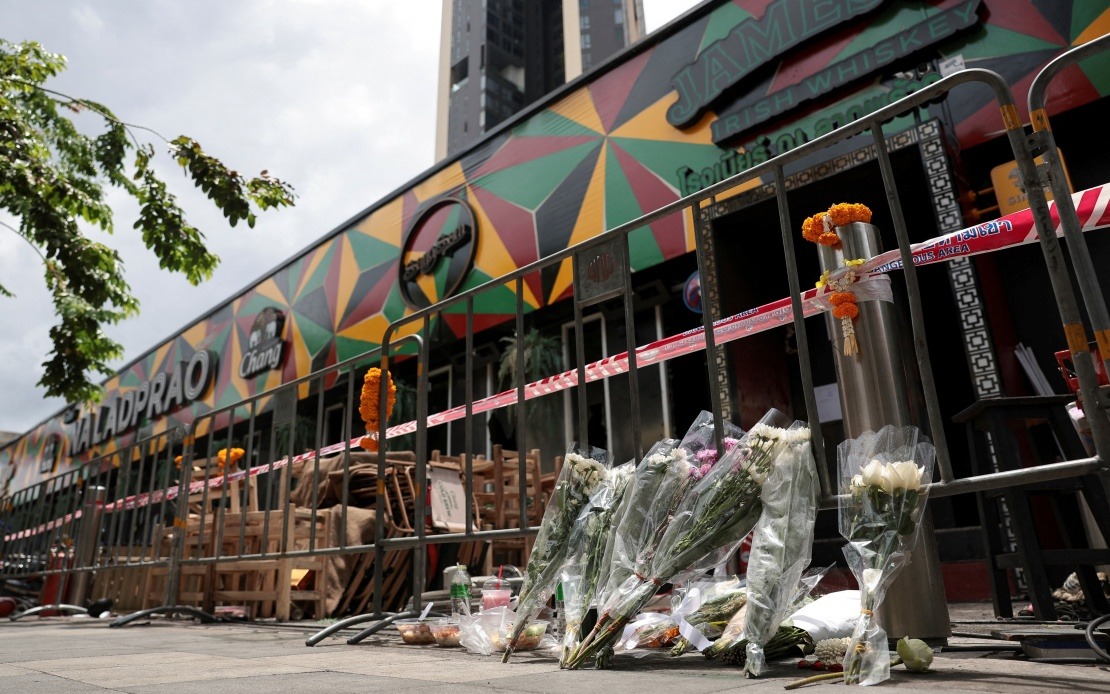
A catastrophic fire at an entertainment venue in Bangkok has claimed 32 lives, with the death toll climbing further as medical teams struggled to save critically injured survivors. Two additional victims perished in hospital on Wednesday, according to Thai emergency medical authorities, underscoring the lingering severity of injuries sustained in Monday night's blaze at Rong Beer Na Lat Phrao in the Chatuchak district.
The Bangkok Emergency Medical Centre, commonly referred to as the Erawan Centre, confirmed the latest fatalities occurred at Paolo Kaset Hospital and Nopparat Rajathanee Hospital. The two deaths represent part of a grim pattern in which hospitalised patients have continued to succumb days after the initial incident, with five individuals now confirmed dead after receiving medical treatment. This delayed mortality pattern reflects the extent of trauma and burn injuries sustained by occupants trapped in the rapidly engulfing flames.
As rescue and medical personnel continue their efforts, the total casualty count stands at 79 injured individuals. Of these, 44 have been discharged after treatment, while 30 remain under hospital care. The severity of injuries is evident in the distribution of remaining patients, with 15 requiring intensive care unit treatment and another 15 in general wards. The presence of so many patients requiring extended critical care suggests widespread severe burns and respiratory trauma from smoke inhalation during the evacuation.
The fire erupted shortly before midnight on Monday, transforming what appeared to be a routine evening at the entertainment establishment into a life-threatening emergency. The rapid spread and intensity of the blaze, occurring in an urban entertainment district popular with both locals and tourists, has raised serious questions about safety standards and emergency preparedness in Bangkok's hospitality sector. The timing—late evening when venues typically operate at or near capacity—compounded the difficulty of evacuation efforts.
Investigators have identified several critical factors under examination as potential causes of the disaster. Blocked emergency exits emerge as the primary concern, suggesting that occupants may have faced severe constraints in fleeing the burning structure. The presence of highly flammable interior materials used in the venue's construction or decoration likely accelerated the fire's propagation through the building. Electrical system faults represent another significant investigative avenue, as faulty wiring or equipment malfunction remains a common ignition source in entertainment venues across the region.
The severity of this incident has prompted decisive action at the highest levels of Thai government. Prime Minister Anutin Charnvirakul issued orders on Tuesday directing the Ministry of Interior to conduct comprehensive inspections of buildings and entertainment venues nationwide. This coordinated effort involves the Bangkok Metropolitan Administration, local administrative organisations, the Department of Public Works and Town & Country Planning, and the Royal Thai Police, reflecting the scale of concern about safety compliance across the country.
For Malaysian readers and businesses operating in Thailand, this incident carries particular significance given the substantial cross-border movement of citizens and the number of Malaysian establishments operating in Bangkok's entertainment and hospitality sectors. The investigation findings may influence regulatory approaches that could affect Malaysian operators conducting business in Thailand. Similar safety concerns exist across Southeast Asia, where rapid urbanisation and competitive entertainment markets sometimes create pressure to prioritise revenue over safety infrastructure.
The coordinated inspection regime now underway in Thailand serves as a reminder of systemic vulnerabilities that exist in entertainment venue safety across the region. Many establishments built or renovated in recent years prioritised aesthetic appeal and commercial efficiency over fire safety systems, emergency evacuation procedures, and structural fire-resistance measures. The Thai government's response suggests a recognition that spot inspections and ad-hoc enforcement had proven insufficient to maintain baseline safety standards.
For Malaysian authorities and venue operators, the Bangkok incident offers an instructive case study in the consequences of inadequate safety protocols. Emergency exits must remain unobstructed and clearly marked, interior materials should meet fire-safety specifications, and electrical systems require regular professional inspection and maintenance. Staff training in emergency procedures—particularly evacuation protocols—represents another crucial element often neglected in venues prioritising operational convenience over safety preparation.
The human toll evident in the rising death count and extended hospitalisation of survivors extends beyond the immediate victims and their families. Communities throughout Bangkok and Thailand have been confronted with the reality that commercial interests and safety compliance remain sometimes in tension. The incident has generated significant public discussion about enforcement mechanisms and whether existing regulations adequately protect entertainment venue patrons.
As the investigation continues and Thailand implements its nationwide safety review, the implications for the broader Southeast Asian hospitality sector merit attention. Regulators across Malaysia, Singapore, and other regional states may undertake reassessments of their own venue safety standards, building codes, and inspection regimes. Insurance and liability considerations will likely shift as underwriters respond to this high-profile incident by reassessing risk profiles for similar establishments throughout the region.
The Bangkok fire ultimately reflects a broader challenge facing rapidly developing Asian economies: balancing commercial growth in the hospitality and entertainment sectors with robust safety infrastructure and enforcement. The 32 lives lost and ongoing medical crises for dozens of survivors represent a human cost that extends far beyond the initial incident, affecting families, communities, and international perceptions of Thailand as a safe destination for business and leisure.

