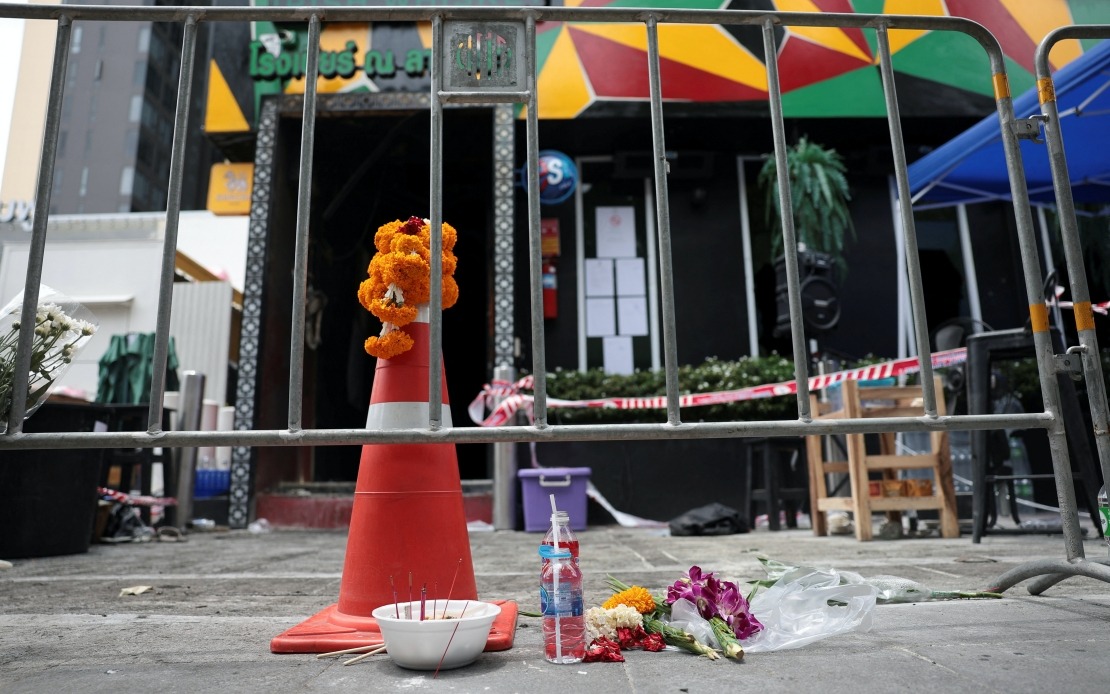
Forensic investigations into the devastating fire that claimed 33 lives at a Bangkok entertainment venue have revealed a grim detail: none of the deceased were killed directly by flames. Instead, all victims succumbed to asphyxiation caused by inhaling lethal toxic gases, according to findings released by Metropolitan Police Bureau Commissioner Police Lieutenant General Sayam Boonsom on Thursday.
The investigation uncovered the presence of both carbon monoxide and cyanide in the bodies of the deceased. These gases represent a particularly dangerous combination in fire scenarios because they actively prevent oxygen from reaching body tissues. Carbon monoxide, a colourless and odourless gas produced by incomplete combustion, binds to haemoglobin in the blood with an affinity far exceeding that of oxygen, effectively starving organs of the oxygen they require to function. Cyanide compounds, which can be released when certain synthetic materials burn, work through a different but equally lethal mechanism, inhibiting cellular respiration at the mitochondrial level. Both substances can prove fatal within minutes of exposure, often before victims are even aware they are in mortal danger.
The fire erupted shortly after midnight on Monday at the entertainment outlet located in Lat Phrao district. The incident resulted in 33 deaths and over 70 injuries, making it one of Bangkok's deadliest venue fires in recent years. As of Thursday, 14 people remained in intensive care while 44 others had been discharged from hospitals, indicating the severity and range of injuries sustained during the evacuation.
Forensic officers have now completed their comprehensive examination of the fire scene, though the broader investigation remains active. Authorities have identified several potential causes they are pursuing with particular focus. Electrical faults represent one avenue of inquiry, as aging or poorly maintained electrical systems frequently trigger fires in older commercial buildings. However, investigators are equally concerned with potential safety violations and regulatory breaches that may have compounded the tragedy once the fire began.
Among the violations being examined are unauthorised modifications to the building's structure. Such alterations often compromise fire safety systems or alter the path of smoke and flames in unpredictable ways. Equally critical, evidence suggests that emergency exits may have been blocked or inaccessible, a common but catastrophic violation in venues prioritising revenue over safety. These blockages would have forced occupants to seek alternative routes during evacuation, potentially trapping them in areas with higher concentrations of toxic smoke.
While no formal charges have been filed as of Thursday, police authorities are preparing legal action on multiple fronts. These anticipated charges include causing death and injury through negligence—a serious accusation that acknowledges preventable circumstances contributed to the deaths. Investigators are also moving to prosecute unauthorised building alterations and negligent causation of the fire itself. Beyond these direct charges, police are examining whether the venue breached entertainment venue regulations and whether it operated beyond the scope of its operating licence.
The breadth of potential violations under investigation reflects a troubling pattern sometimes observed in Southeast Asian entertainment districts, where cost-cutting measures and regulatory ambiguity can create dangerous environments. The focus on licensing scope violations suggests authorities suspect the venue may have been operating in ways not covered by its permits, potentially indicating insufficient oversight or deliberate circumvention of restrictions.
Investigators have already conducted extensive witness interviews, questioning more than 106 people connected to the incident. These interviews have likely provided crucial details about the building's condition, evacuation procedures, staff training, and the sequence of events during the fire. Witness testimonies often reveal safety failures that physical evidence alone cannot document, such as whether staff received fire safety training or whether emergency procedures existed at all.
The findings carry significant implications for fire safety policy across Thailand and the broader Southeast Asian region. Entertainment venues, nightclubs, and bars operate across Malaysia, Singapore, Indonesia, and the Philippines in similarly crowded conditions and often with comparable regulatory challenges. This incident underscores the deadly consequences when multiple safety failures align: blocked exits, inadequate smoke detection, structural modifications that trap toxic fumes, and materials that release cyanide compounds when burning.
For Malaysian authorities overseeing similar establishments, the Bangkok incident offers a cautionary reminder about the importance of rigorous fire code enforcement, particularly regarding emergency exits and the materials used in interior decoration and refurbishment. The emphasis on toxic gas inhalation rather than burn injuries also highlights the critical need for effective smoke detection and suppression systems, which can alert occupants early enough to escape before toxic concentrations develop.
The investigation continues to develop, with authorities expected to release additional findings as forensic analysis and witness interviews progress. The case will likely result in precedent-setting prosecutions that hold venue operators accountable for negligence, potentially influencing safety standards across the region's entertainment industry. For now, the tragic facts remain stark: a preventable chain of violations and oversights transformed an evening out into a mass casualty event.

