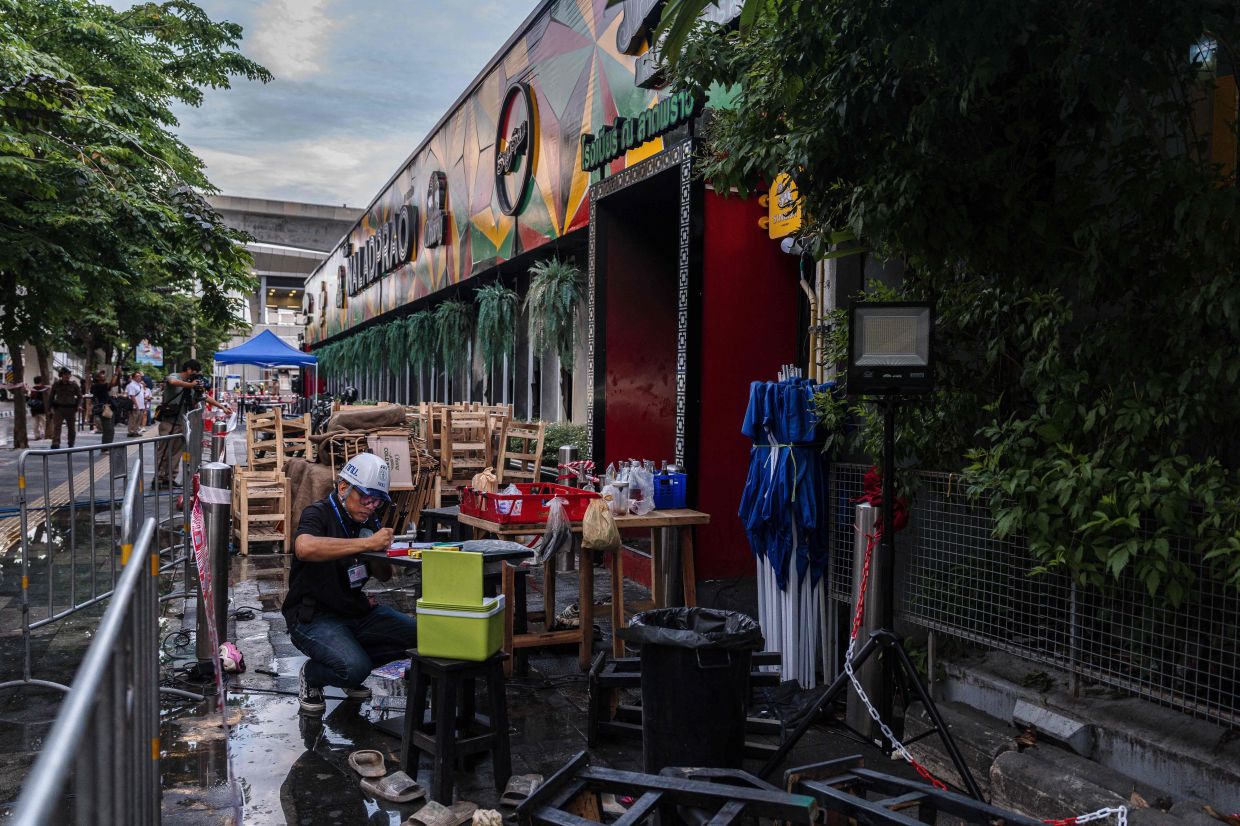
A devastating fire at a dining and brewing establishment in Bangkok's Lat Phrao district claimed 27 lives and left 18 others injured in the early hours of Monday, triggering immediate action from city authorities to investigate the tragedy and tighten safety standards across the Thai capital's entertainment venues. Bangkok Governor Chadchart Sittipunt arrived at the scene around 2.40am and swiftly directed the Chatuchak District Office to establish a coordination centre for families of the deceased and injured, while simultaneously ordering comprehensive checks of the venue's operating documents and fire-safety infrastructure.
The response reflects growing concern about building-safety compliance in Bangkok's hospitality sector, a critical issue that extends across Southeast Asia where rapid commercial development often outpaces regulatory oversight. Officials are treating the incident as an urgent wake-up call, with the governor's prioritised agenda encompassing victim support, venue-permit verification, and a forensic examination of fire-exit systems and their compliance with legal requirements. The immediate assignment of the Chatuchak District Office to open the assistance centre signals recognition that families will need coordinated information and support during the investigation.
According to the Bangkok Fire and Rescue Department, firefighters arrived approximately five minutes after receiving the emergency alert, but found the situation already critical. The flames had consumed large sections of the building by that point, while thick smoke filled the interior, severely hampering rescue operations. The rapid spread of fire, combined with visibility issues caused by heavy smoke, created a disastrous scenario for trapped occupants attempting to escape. Preliminary observations suggest that toxic fumes from interior decorative materials may have caused victims to lose consciousness, though investigators emphasised that definitive conclusions require specialist analysis of the materials and fire behaviour.
The pattern of fatalities provides troubling clues about the evacuation process. Many victims were discovered near emergency exits, particularly on the building's left side, where objects may have blocked or obscured the escape routes. Others reportedly moved towards rear toilets in a confused attempt to find safety, underscoring how poor signage, obstructed pathways, or inadequate awareness of emergency procedures can prove fatal in rapid-fire situations. An initial inspection identified only two escape routes, with one inexplicably passing through the kitchen—a design flaw that could slow evacuation and expose fleeing occupants to additional hazards.
The venue's layout and fire-spread pattern revealed disturbing details about construction and materials. Chadchart noted that flames appeared to have raced rapidly across the ceiling, while plastic furniture in several areas remained relatively undamaged, suggesting that the building's structural elements or decorative materials may have been highly flammable. This observation points toward potential violations of building codes that typically mandate fire-resistant finishes in commercial establishments. The disconnect between ceiling-fire intensity and furniture damage indicates that investigators must examine both the structural components and the contents used throughout the venue.
Authorities are now conducting detailed inspections focusing on several key compliance areas. These include verification of the venue's operating documents and business licences, assessment of the fire-exit system's adequacy and condition, visibility and clarity of emergency-exit signage, and whether evacuation routes were physically obstructed or poorly marked. The inquiry will also examine whether the layout and designated use of escape routes met legal and safety standards, particularly regarding the questionable decision to route one exit through a kitchen. Such structural and procedural questions suggest potential regulatory gaps in Bangkok's licensing and inspection frameworks.
Of the 27 fatalities confirmed at 3.45am, nine were men and 18 were women, with the Bangkok Fire and Rescue Department indicating that smoke inhalation was the most likely cause of death for the majority. However, officials cautioned that formal causes of death must await complete forensic findings and a thorough investigation. The 18 injured comprised eight classified as seriously hurt, seven with moderate injuries, and three with minor injuries, all receiving hospital treatment. The heavy toll on female patrons raises questions about the venue's typical clientele and whether certain areas of the establishment may have been more crowded or had more limited escape options.
The timing of the incident—early Monday morning—suggests the venue was operating during late-night hours, a period when establishments often have minimal staff and reduced visibility, potentially complicating both occupant awareness and rescue operations. Bangkok's nightlife venues operate under varying degrees of supervision, and this tragedy highlights the vulnerability of businesses that may lack adequate management oversight during peak operating hours. The tragedy underscores broader Southeast Asian challenges with enforcement of building codes in rapidly developing urban centres where commercial interests sometimes take precedence over safety compliance.
Governor Chadchart's pledged three-part action plan—victim support, permit verification, and fire-safety compliance review—represents a reactive but necessary response. However, the incident raises uncomfortable questions about whether Bangkok's regulatory framework adequately prevents such disasters through proactive inspection and enforcement. The coordination centre established by Chatuchak District Office provides contact channels through four officials, offering families a centralised point for information and assistance. This reflects recognition that families of victims require sustained, organised support beyond immediate emergency response.
The broader implications for Bangkok and the region are substantial. Venue operators across Thailand and neighbouring countries will face heightened scrutiny and potential enforcement actions related to fire-safety systems. Insurance providers may reconsider coverage terms, and developers may face more rigorous permit applications. For Malaysian readers, the incident serves as a reminder that entertainment venues, hotels, and commercial buildings across Southeast Asia operate under similar pressures and regulatory challenges. Malaysia's own building-safety record has experienced periodic controversies, making Bangkok's tragedy a cautionary reference point for ongoing compliance monitoring.
As investigators work to definitively establish the fire's origin and contributing factors, the incident will likely prompt broader policy discussions in Bangkok and potentially across Thailand regarding entertainment-venue safety standards. The incident also raises questions about whether current penalties for non-compliance are sufficiently severe to deter corner-cutting by venue operators. Governor Chadchart's commitment to accelerate assistance and prevention measures suggests that Bangkok authorities recognise both the immediate human tragedy and the systemic vulnerabilities that permitted such a catastrophe to occur, setting the stage for potentially significant regulatory reforms in Thailand's hospitality sector.

