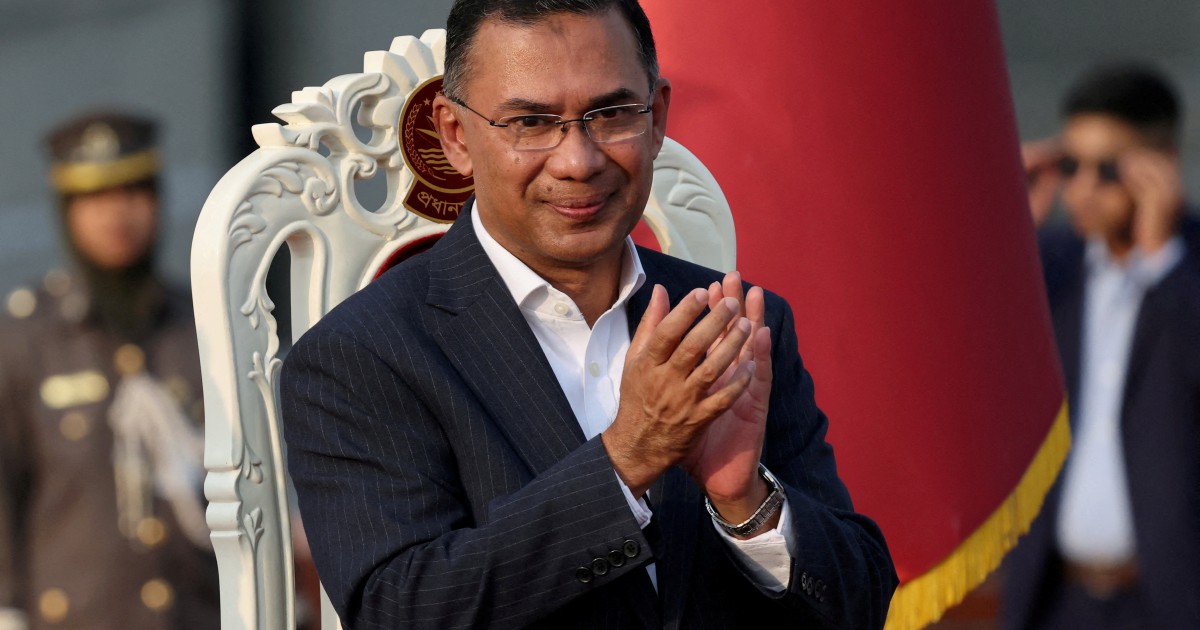
Bangladesh has escalated diplomatic tensions with India by announcing that Prime Minister Tarique Rahman will not undertake an official visit to New Delhi until the Indian government extradites Sheikh Hasina, the former Bangladeshi leader who escaped the country during the tumultuous 2024 uprising. The announcement, made by Dhaka on Sunday, signals a hardening of the interim government's position on one of South Asia's most contentious extradition cases and marks a significant strain in relations between the two neighbouring countries.
Sheikh Hasina's departure from Bangladesh in August 2024 came amid widespread civil unrest and mass protests that ultimately led to the collapse of her long-running administration. The former prime minister, whose tenure was marked by considerable controversy and allegations of authoritarianism, initially sought refuge in India before her current whereabouts became a matter of intense diplomatic dispute. Hasina's flight represented a dramatic reversal of fortune for a political dynasty that had dominated Bangladeshi governance for decades.
The decision by Tarique Rahman's government to condition diplomatic engagement on Hasina's extradition underscores the deep political divisions that continue to shape Bangladesh's domestic landscape. The interim administration, which took power in the aftermath of Hasina's departure, views the former premier as a symbol of the old order that the uprising sought to dismantle. By making extradition a prerequisite for high-level bilateral engagement, Dhaka is attempting to leverage India's significant economic and political influence in the region to achieve its domestic political objectives.
India's position on the extradition question has been notably circumspect. New Delhi has historically maintained careful diplomatic boundaries in Bangladeshi internal affairs, and extraditing a former head of government would represent an extraordinary step that could have broader implications for how the Indian state treats political figures fleeing other South Asian nations. The Indian government has not publicly confirmed Hasina's location or entertained the extradition request, creating a diplomatic impasse that now threatens to disrupt bilateral relations that have historically oscillated between cooperation and friction.
The 2024 uprising in Bangladesh emerged from mounting discontent over economic hardship, perceived corruption, and restrictions on civil liberties under Hasina's administration. The scale and intensity of the protests suggested deep public dissatisfaction that transcended typical political opposition, involving students, civil society groups, and ordinary citizens demanding systemic change. This grassroots dimension of the uprising distinguishes it from conventional power struggles and explains why the interim government faces pressure from its own constituencies to pursue accountability measures against the previous regime.
Bangladesh-India relations, traditionally complex due to historical grievances, border issues, and competing regional interests, have been further strained by questions surrounding Hasina's asylum and the broader transition of power in Dhaka. India has significant strategic interests in Bangladesh, including border security concerns, energy cooperation through shared river basins, and broader geopolitical positioning within South Asia. Any prolonged diplomatic standoff carries risks for both nations, potentially affecting trade, connectivity projects, and regional stability.
For Malaysian and broader Southeast Asian observers, the Bangladesh situation offers important lessons about the fragility of bilateral relations when domestic political transitions occur. The region has seen several instances where transitions of power in one country create diplomatic complications with neighbours, particularly when exiled political figures become leverage points in international negotiations. Bangladesh's approach of conditioning diplomatic engagement on extradition reflects a calculation that domestic political legitimacy requires confronting the previous administration through every available mechanism.
The interim government in Dhaka likely faces significant public pressure to demonstrate that the uprising produced tangible accountability. Making Hasina's extradition a condition for normalizing relations with India serves both as a symbolic gesture to constituencies that supported the uprising and as a practical negotiating position intended to maximize pressure on New Delhi. However, India's reluctance to comply with such demands reflects the diplomatic conventions that generally protect former heads of state, particularly when their asylum relates to political upheaval rather than criminal conduct in the conventional sense.
This standoff also reflects broader questions about how international law and bilateral diplomacy interact when political transitions produce demands for justice and accountability. Bangladesh's interim authorities appear convinced that the previous Hasina administration's governance caused sufficient harm to warrant extraordinary measures, while India's cautious approach reflects concerns about precedent and the practical difficulties of evaluating extradition requests in politically charged circumstances. The situation remains fundamentally unresolved, with no clear mechanism for breaking the impasse short of either Bangladeshi government backing down or Indian officials reassessing their position on extradition.
Looking forward, the sustainability of this diplomatic standoff depends partly on how the interim Bangladeshi government balances its political imperatives at home with pragmatic engagement with a crucial regional partner. India remains essential to Bangladesh's economic development and regional security, and indefinitely blocking high-level engagement carries real costs. Conversely, abandoning the extradition demand might undermine the political legitimacy of the interim authority among constituencies that expect follow-through on accountability measures. The resolution of this crisis, whenever it comes, will likely involve behind-the-scenes negotiations and face-saving measures for both sides.

