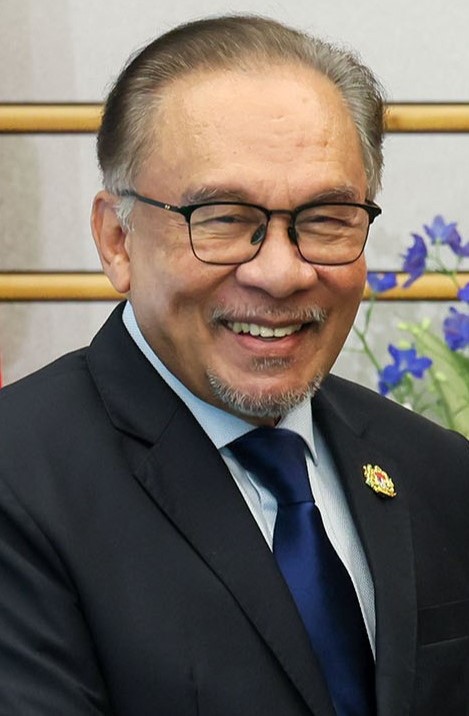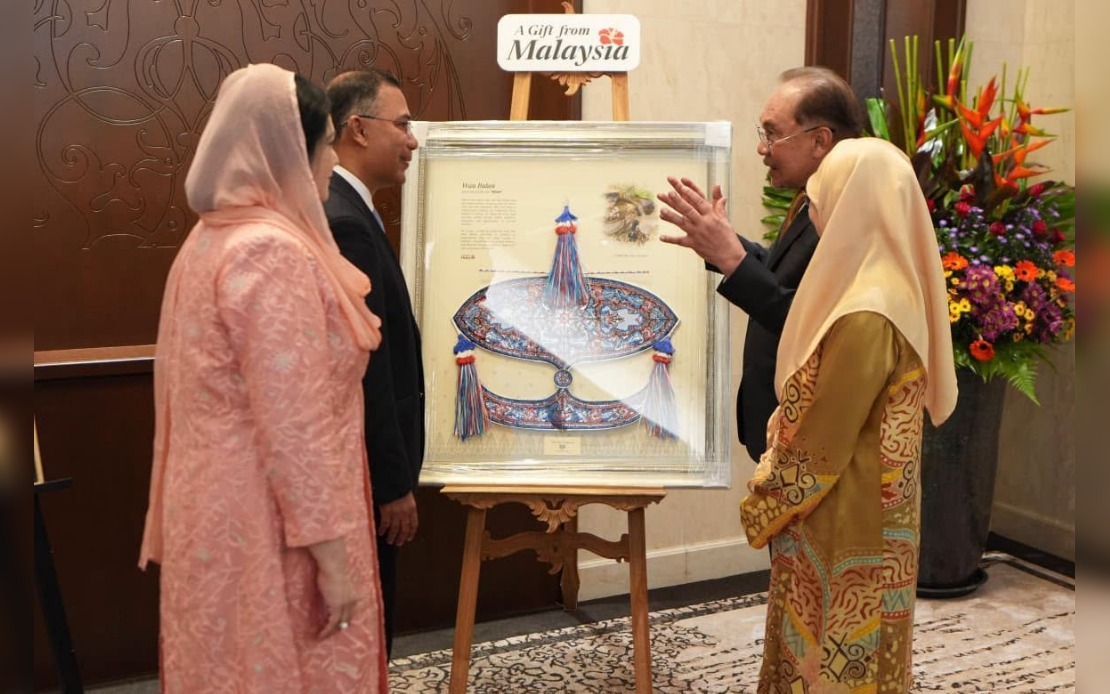
Bangladesh Prime Minister Tarique Rahman brought his maiden state visit to Malaysia to a close on Monday with a firm commitment to elevate bilateral relations with Prime Minister Datuk Seri Anwar Ibrahim. Speaking through official channels, the Bangladesh premier underscored his administration's determination to foster deeper engagement across the spectrum of shared interests that characterize the two nations' relationship. The visit marks a significant diplomatic moment for Bangladesh's new leadership, signalling intent to prioritize Malaysia as a key partner in Southeast Asia's evolving geopolitical landscape.
Central to Tarique Rahman's messaging during the visit has been the emphasis on people-to-people connections that transcend governmental relations. He highlighted how ordinary citizens across both nations maintain bonds rooted in shared values, cultural exchanges, and mutual economic interests spanning multiple sectors from commerce to education and development initiatives. This grassroots dimension of the relationship provides a resilient foundation that extends well beyond formal diplomatic protocols, offering stability even as regional dynamics shift.
The Premier and his wife, Dr Zubaida Rahman, expressed their appreciation for the reception extended by their Malaysian hosts, with particular emphasis on the personal warmth demonstrated by Prime Minister Anwar Ibrahim and his wife, Datuk Seri Dr Wan Azizah Wan Ismail. Such formal expressions of gratitude serve practical diplomatic functions in cementing personal relationships between leaders, which often facilitate smoother negotiations and cooperation on thornier bilateral issues. The quality of personal rapport between heads of government frequently translates into tangible policy outcomes and bureaucratic efficiency in implementing bilateral agreements.
Tarique Rahman's remarks also acknowledged the historical depth of Bangladesh-Malaysia relations, reaching back decades to an era when his father, Shaheed President Ziaur Rahman, and his mother, Begum Khaleda Zia, held leadership positions in Bangladesh. This historical continuity provides legitimacy to current diplomatic efforts and appeals to shared regional memory among both nations' populations. By invoking this generational linkage, the Bangladesh Premier positions contemporary Malaysia engagement within a longer narrative of institutional relationship-building rather than treating it as a new initiative.
The discussions between Tarique and Anwar reportedly reinforced what both sides characterize as enduring bonds transcending mere diplomatic convenience. The emphasis on permanence and substantive connection suggests both governments view their partnership as extending beyond the typical transactional nature of bilateral relations. For Malaysia, this carries implications for its broader Southeast Asian leadership aspirations, as deepening ties with major regional economies like Bangladesh enhances its diplomatic clout. For Bangladesh, strengthening Malaysia bonds provides access to regional forums and economic networks while supporting its development agenda.
A notable aspect of the visit involves the formal recognition accorded by His Majesty Sultan Ibrahim, King of Malaysia, through his personal engagement with the Bangladesh Premier. Such high-level royal participation signals Malaysia's institutional commitment to the bilateral relationship, moving it beyond the executive branch to encompass the constitutional monarchy's diplomatic weight. This multi-level engagement, spanning monarchy, executive government, and civil society, demonstrates the comprehensive approach both nations are taking toward partnership consolidation.
The timing of Tarique Rahman's inaugural state visit as Bangladesh's premier carries strategic significance in the region's evolving diplomatic landscape. Bangladesh, with its 170 million population and growing economic profile, represents a crucial partner for Malaysia's regional influence and economic cooperation initiatives. Similarly, Bangladesh gains from access to Malaysian expertise in various development sectors and its established connections within regional institutions including ASEAN frameworks and economic arrangements.
From a Malaysian perspective, strengthening ties with Bangladesh serves multiple strategic objectives. The partnership enhances Malaysia's capacity to shape regional narratives and policy directions at both bilateral and multilateral levels. Bangladesh's geographic position as a South Asian gateway and its significant diaspora in Malaysia create multiple channels for cooperation in labour mobility, remittances, and people-to-people exchanges. The economic complementarities between the two nations—spanning manufacturing, services, and infrastructure development—offer tangible opportunities for mutual prosperity.
The bilateral relationship also carries implications for Malaysia's broader diplomatic positioning in an increasingly multipolar Asia. As major powers compete for influence across the region, mid-sized nations like Malaysia and Bangladesh can amplify their collective voice through strengthened partnerships. Joint positions on regional security, trade policies, and development priorities become more influential when backed by substantive bilateral cooperation. The visit thus represents more than ceremonial diplomacy; it constitutes strategic positioning for both nations within emerging regional architectures.
Looking forward, both governments face the practical challenge of translating political commitment into concrete policy outcomes. The warm language exchanged during the visit must translate into functional cooperation mechanisms addressing shared challenges ranging from climate change impacts on their respective territories to maritime security concerns in the Indian Ocean and Bay of Bengal. Economic cooperation frameworks need strengthening to ensure increased bilateral trade and investment flows that benefit businesses and workers in both countries.
The conclusion of Tarique Rahman's first state visit as Bangladesh Premier establishes a diplomatic baseline for Malaysia relations that his government intends to maintain and expand. Whether this commitment translates into substantive advancement in shared interests depends on follow-through mechanisms, dedicated resource allocation, and persistent diplomatic engagement at multiple administrative levels. The positive atmospherics created during this visit provide opportunity for both governments to build institutional cooperation structures that will endure beyond individual leadership tenures.