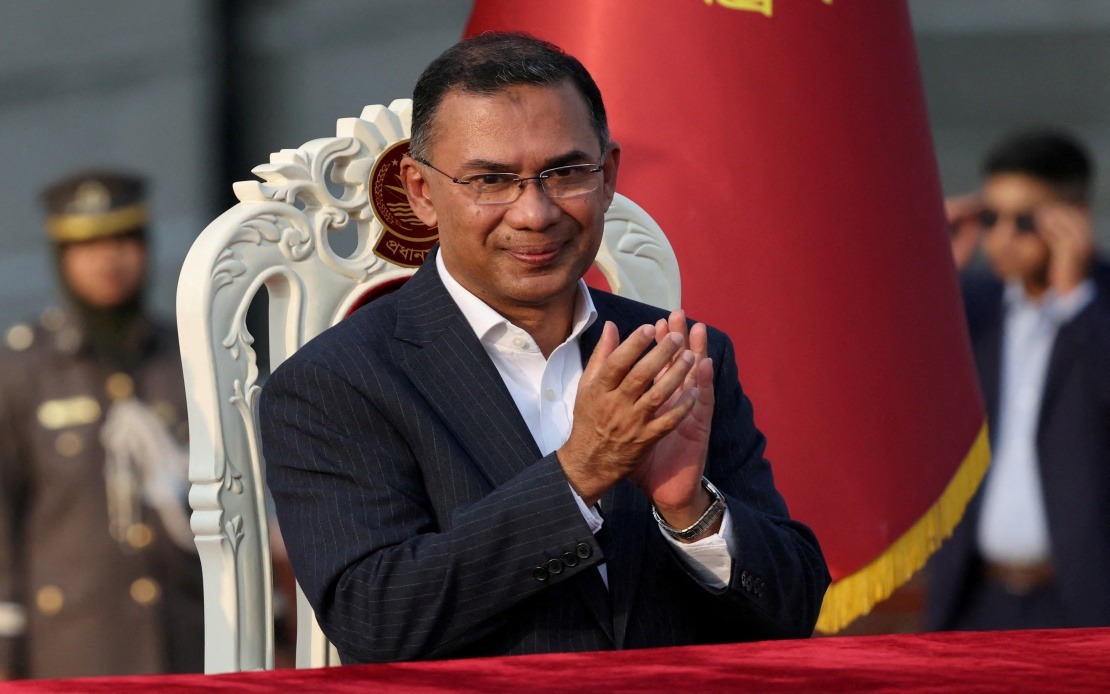
Bangladesh Prime Minister Tarique Rahman is set to arrive in Malaysia on June 22 for what will be his inaugural official bilateral visit since taking office in February 2026. The high-profile engagement, conducted at the invitation of Malaysian Prime Minister Datuk Seri Anwar Ibrahim, underscores the importance both nations place on their bilateral relationship and signals a commitment to enhancing cooperation across multiple strategic sectors.
The timing of Rahman's maiden overseas bilateral mission to Malaysia carries significant symbolic weight within the diplomatic landscape of South Asia and Southeast Asia. Rather than travelling to a traditional diplomatic hub or neighbouring South Asian capital, the Bangladesh leader's choice to prioritise Malaysia reflects the growing strategic importance of Southeast Asian partnerships for Dhaka and the substantive nature of the bilateral relationship that has developed between the two nations over recent years.
According to the Malaysian Foreign Ministry, Rahman will receive a formal official welcoming ceremony upon arrival, followed by substantive bilateral discussions with Anwar at the Perdana Putra Complex. These engagements will provide both leaders with an opportunity to conduct a comprehensive review of the current state of Malaysia-Bangladesh relations while identifying promising avenues for expanded collaboration. The agenda spans a notably broad range of sectors, indicating that both governments view their partnership as multifaceted rather than narrowly focused on a single area of interest.
Economic cooperation and trade expansion feature prominently in the planned discussions. The bilateral trade relationship has demonstrated considerable scale, with 2025 figures revealing total commerce worth RM12.18 billion, equivalent to approximately US$2.84 billion. Malaysia's export performance to Bangladesh proved particularly robust, with shipments valued at RM10.08 billion (US$2.35 billion), predominantly comprising petroleum products that satisfy Bangladesh's substantial energy requirements. This asymmetry in trade flows reflects Bangladesh's significant demand for energy imports and Malaysia's competitive position as a petrochemical supplier in regional markets.
Bangladesh's own exports to Malaysia, totalling RM2.10 billion (US$500 million) in 2025, centre on labour-intensive manufacturing sectors including textiles, apparel, and footwear. These product categories represent Bangladesh's traditional manufacturing strengths and underscore the complementary nature of the two economies. For Malaysian consumers and businesses, Bangladeshi textiles and clothing represent important sourcing options, while for Bangladesh, Malaysia constitutes a significant export market that absorbs substantial volumes of manufactured goods.
Within the regional context, Bangladesh holds considerable importance to Malaysia's South Asian engagement strategy. As Malaysia's second-largest trading partner in South Asia after India, with a combined trade value of RM12.18 billion, Bangladesh demonstrates the depth of economic integration between the two nations. Globally, Bangladesh ranks as Malaysia's 28th largest trading partner, a position that reflects the scale of their commercial relationship relative to Malaysia's total international trade portfolio. This standing places Bangladesh in the company of substantially larger economies and developed nations, indicating the strength of bilateral commercial ties.
Beyond trade, the visit agenda encompasses substantial cooperation initiatives in emerging and strategic sectors. Both leaders are expected to explore deepened collaboration in semiconductor manufacturing, a domain increasingly critical to regional supply chains and technological development. Energy cooperation represents another focal point, with potential applications spanning renewable energy development and conventional power generation. The inclusion of human resource management and education in the cooperation framework suggests recognition that workforce development and knowledge transfer constitute essential elements of sustainable long-term partnership.
The visit will produce several tangible diplomatic instruments formalising the countries' commitments. A memorandum of understanding on cultural cooperation is scheduled for exchange, reflecting the importance both nations place on people-to-people connections and the preservation of cultural heritage. Two exchanges of notes covering counter-terrorism research and investment promotion and facilitation will further strengthen institutional frameworks for cooperation. These formal agreements provide structured mechanisms through which both governments can coordinate efforts on shared security challenges while facilitating the business environment that underpins commercial growth.
Rahman's delegation, which includes his spouse Dr Zubaida Rahman, Foreign Minister Dr Khalilur Rahman, and senior government officials, carries sufficient seniority and expertise to engage substantively across the full range of planned discussions. The participation of Bangladesh's Foreign Minister signals that diplomatic dimension of the relationship will receive high-level attention. The inclusion of Dr Zubaida Rahman reflects contemporary diplomatic practice emphasising the spouse's role in fostering cultural and people-to-people connections alongside official state business.
Prime Minister Anwar will host an official state luncheon in honour of the Bangladesh delegation, a ceremonial gesture that underscores Malaysia's commitment to treating this visit as an occasion of significant diplomatic importance. Such formal hospitality traditionally serves multiple purposes, providing informal settings for candid discussion while publicly demonstrating the warmth and respect with which the host nation receives its guest.
The choice of Malaysia as the destination for Rahman's first official bilateral visit abroad carries implications extending beyond the two nations' bilateral framework. It signals to regional and international audiences Bangladesh's strategic priorities under new leadership and its inclination toward Southeast Asian engagement. For Malaysia, hosting this inaugural visit positions the country as a valued partner during a critical early phase of a new Bangladesh administration, potentially establishing foundations for influence and cooperation throughout Rahman's tenure.
The visit occurs within a broader regional context characterised by evolving geopolitical alignments and economic interdependencies. Both nations face common challenges including maritime security, regional stability, and economic development. The bilateral engagements planned for this visit provide opportunities to coordinate positions on these broader regional questions while advancing their specific bilateral agenda. The outcome of Rahman's visit will likely establish the trajectory for Malaysia-Bangladesh relations during the coming years.