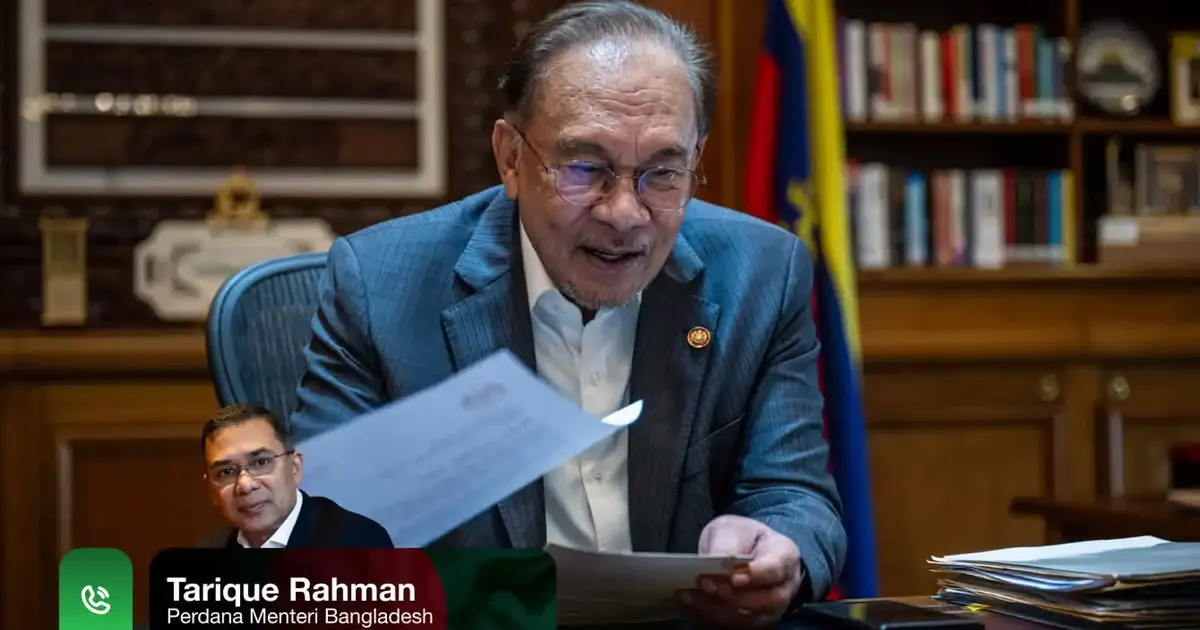
Bangladesh is actively seeking Malaysia's intervention to help resolve an acute shortage of liquefied natural gas that threatens to exacerbate the country's existing energy crisis. The appeal was made directly to Malaysian Prime Minister Anwar Ibrahim by his Bangladeshi counterpart Tarique Rahman during a recent telephone discussion, signalling the urgency with which Dhaka views the situation and its willingness to engage regional partners in finding practical solutions.
The LNG supply challenge facing Bangladesh reflects broader vulnerabilities in South Asia's energy infrastructure and supply chains. As a densely populated nation of over 170 million people with rapidly growing industrial and residential demand for power, Bangladesh has become increasingly reliant on imported energy sources to meet consumption needs. The country's domestic natural gas reserves, once considered substantial, have been depleting at an accelerating rate over the past decade, forcing policymakers to turn towards liquefied natural gas imports as a critical buffer against shortages.
Malaysia's potential role in addressing Bangladesh's energy woes carries particular significance given the country's established position as a major LNG exporter in Southeast Asia. Malaysia operates sophisticated liquefaction facilities and maintains export capacity that could meaningfully supplement Bangladesh's supply channels. The geographic proximity between the two nations, linked by established maritime trading routes across the Andaman Sea and Indian Ocean, provides logistical advantages that could facilitate more efficient energy transfers compared to sourcing from distant global suppliers.
The direct engagement between the two prime ministers underscores the diplomatic channels through which energy cooperation is being pursued. Rather than relying solely on commercial negotiations between energy companies, Bangladesh has elevated the matter to the highest political level, suggesting both the strategic importance of energy security and the potential for government-to-government arrangements that could offer favourable terms or priority allocations to the troubled nation.
Bangladesh's energy sector has faced mounting pressures stemming from multiple converging factors. The country experienced rolling blackouts and load shedding during 2023 and into 2024, affecting industrial production, commercial operations, and household electricity access. These disruptions created ripple effects throughout the economy, constraining manufacturing output and dampening business confidence at a time when Bangladesh seeks to maintain momentum in its development trajectory and attract foreign investment.
The timing of this request also reflects Bangladesh's recent political transition. Tarique Rahman assumed leadership following significant civil unrest and political upheaval in the country, and addressing fundamental service delivery challenges like energy supply has become essential for establishing the credibility and effectiveness of the new administration. Successfully sourcing additional LNG through regional partnerships would demonstrate that the government can respond decisively to national crises and secure international cooperation.
For Malaysia, responding positively to Bangladesh's request would strengthen bilateral relations and extend its influence across South Asia's energy sector. Malaysia has previously demonstrated willingness to leverage its natural resources for diplomatic purposes and regional integration efforts. Supporting a neighbour in distress aligns with broader Southeast Asian principles of mutual cooperation and economic interdependence that underpin regional frameworks like ASEAN.
The LNG market dynamics also favour such arrangements. While global LNG prices have moderated from their 2022 peaks driven by European energy crisis pressures, supply remains a critical constraint for many developing economies. Bangladesh faces competition for limited available cargoes from wealthier nations capable of outbidding poorer countries in spot markets. Government-to-government LNG supply agreements often bypass commercial price mechanisms and offer more stable, predictable sourcing arrangements that prove invaluable for energy-insecure nations.
Beyond immediate supply relief, the conversation between the two leaders likely touched upon longer-term energy cooperation frameworks. Malaysia could potentially assist Bangladesh in developing its own regasification infrastructure, training technical personnel, or facilitating investment in LNG import terminals. Such capacity-building support would address Bangladesh's structural energy vulnerabilities and reduce future dependency on emergency assistance.
The regional implications of Bangladesh's energy security challenge extend throughout South Asia. India, which shares borders with Bangladesh and faces its own energy demands, watches these developments closely. Any Malaysia-Bangladesh energy agreement could influence regional supply patterns and geopolitical positioning in South and Southeast Asia's energy sector. Thailand, Vietnam, and other regional importers similarly monitor developments that might affect their own access to regional LNG supplies.
For Malaysian policymakers, calibrating the response requires balancing domestic energy needs against regional goodwill. Malaysia itself depends on adequate LNG supplies for domestic consumption and maintains export commitments to established customers. However, marginal additional production capacity or strategic reserves could potentially be diverted to assist Bangladesh without compromising Malaysian energy security or existing commercial obligations.
The conversation between Anwar Ibrahim and Tarique Rahman represents the opening move in what will likely become extended negotiations involving energy ministries, state-owned enterprises, and commercial operators from both nations. The outcome of these discussions will reveal whether Malaysia views Bangladesh as a priority regional partner worthy of energy cooperation and whether commercial frameworks can be structured to benefit both nations equitably.

