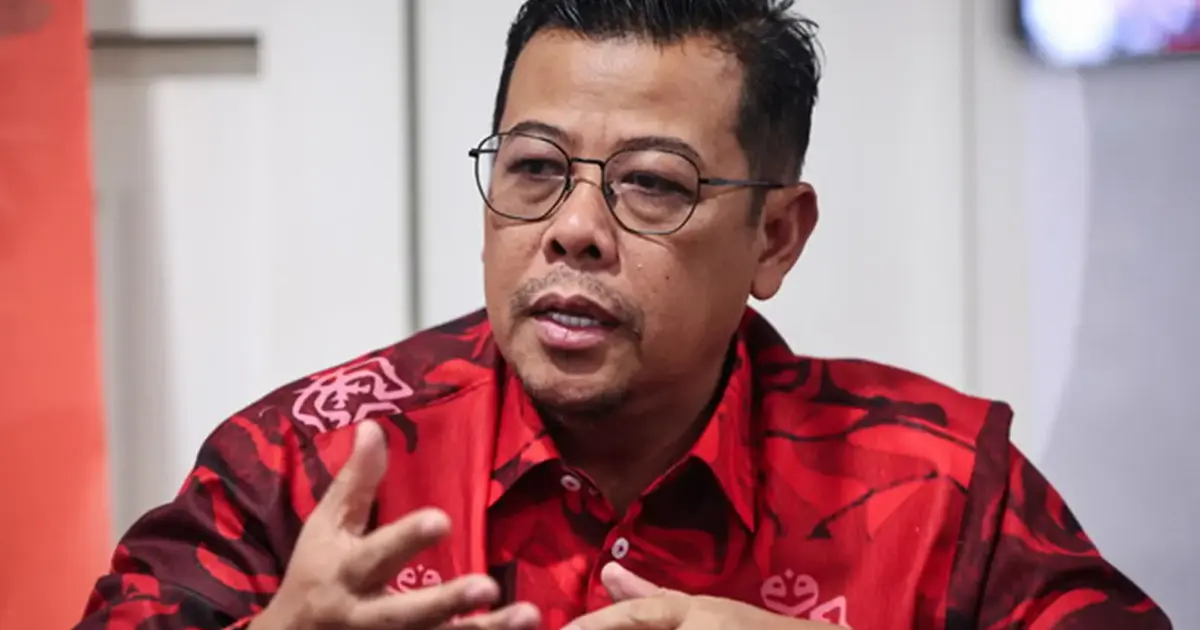
Barisan Nasional remains committed to maintaining its current informal working arrangement with Perikatan Nasional rather than pursuing a formal coalition agreement, according to Umno Supreme Council member Razlan Rafii. The statement underscores the coalition's deliberate choice to preserve operational flexibility while managing the delicate political landscape that has characterised Malaysian governance since the 2022 general election.
Razlan Rafii's position reflects deep institutional memory within Barisan Nasional leadership regarding the pitfalls of formal political arrangements. The coalition has experienced fractious episodes in previous electoral cycles when formal agreements constrained its strategic autonomy or created obligations that diverged from party interests. This historical perspective shapes contemporary decision-making, particularly as the coalition navigates complex parliamentary mathematics and evolving voter preferences across Malaysia's diverse electoral constituencies.
The distinction between informal and formal arrangements carries substantial political significance in the Malaysian context. Formal alliances typically involve binding electoral agreements, joint policy platforms, and institutionalised leadership structures that commit parties to predetermined outcomes. Informal pacts, by contrast, allow coalition partners greater flexibility to respond to local political dynamics, accommodate internal dissent, and preserve negotiating leverage on specific legislative matters without comprehensive ideological alignment.
For Barisan Nasional, maintaining informality serves multiple strategic purposes. The coalition preserves its independence in state-level politics, where different regional dynamics and party compositions require tailored approaches. This is particularly relevant in states where Umno, MIC, and MCA hold varying levels of influence and where cooperation with Perikatan Nasional components may be strategically advantageous in some contests but unnecessary or counterproductive in others.
The informal framework also provides psychological and political space for Barisan Nasional to assert its identity as a longstanding governing coalition with independent legitimacy, rather than appearing subordinate to Perikatan Nasional or locked into a merger of equals. This distinction matters enormously for voter perception, party morale, and internal cohesion, particularly given Umno's traditional dominance and the sensitivities surrounding perceived power-sharing arrangements with newer political actors like Perikatan Nasional.
Perikatan Nasional, conversely, benefits from informal cooperation that enhances its parliamentary leverage and coalition-building credentials without requiring it to subsume its distinct identity or policy positions into a larger institutional structure. The arrangement allows Perikatan Nasional to maintain its coalition flexibility and preserve its capacity to appeal to voters as a distinct political force with independent governance principles.
Razlan Rafii's remarks come amid ongoing discussions about the stability and durability of Malaysia's current political equilibrium. The government's stability depends significantly on whether Barisan Nasional and Perikatan Nasional can sustain effective cooperation on parliamentary votes, legislative priorities, and governance matters without the clarity and constraints that formal coalition structures might impose. This informal arrangement essentially requires constant negotiation, relationship management, and mutual accommodation on critical issues.
The informal approach also reflects pragmatism about the fluid nature of Malaysian electoral politics. Formal agreements negotiated before elections or major political shifts can quickly become obsolete or problematic if party fortunes change, internal leadership transitions occur, or voter preferences shift dramatically. Informality permits course corrections and realignments without the political cost of formally dissolving or renegotiating binding agreements. This flexibility proved valuable during the rapid political transformations that followed the 2022 general election and remains relevant as parties prepare for future electoral contests.
For Malaysian readers and regional observers, this framework reveals important truths about how Malaysian coalition governance operates. Unlike Westminster systems where formal coalition agreements are typically memorialised in detailed documents, Malaysian political arrangements frequently operate through personalised relationships, implicit understandings, and evolving consensus among senior leaders. This approach reflects the country's political culture and the premium placed on preserving party autonomy while achieving necessary legislative cooperation.
The sustainability of this informal arrangement ultimately depends on shared interests between Barisan Nasional and Perikatan Nasional in maintaining government stability and preventing alternative coalitions from gaining parliamentary advantage. As long as both coalitions benefit from their current working relationship more than from potential alternative arrangements, the informal framework should persist. However, changing circumstances—including economic conditions, internal party dynamics, or shifting voter preferences—could alter these calculations and necessitate either formalisation or recalibration of the partnership.
Razlan Rafii's statement also signals that Barisan Nasional does not anticipate dramatic changes to this framework in the near term. The coalition appears confident that its informal understanding with Perikatan Nasional provides sufficient stability for governance and parliamentary operations while preserving the strategic flexibility that past experience has shown to be valuable for long-term political survival.

