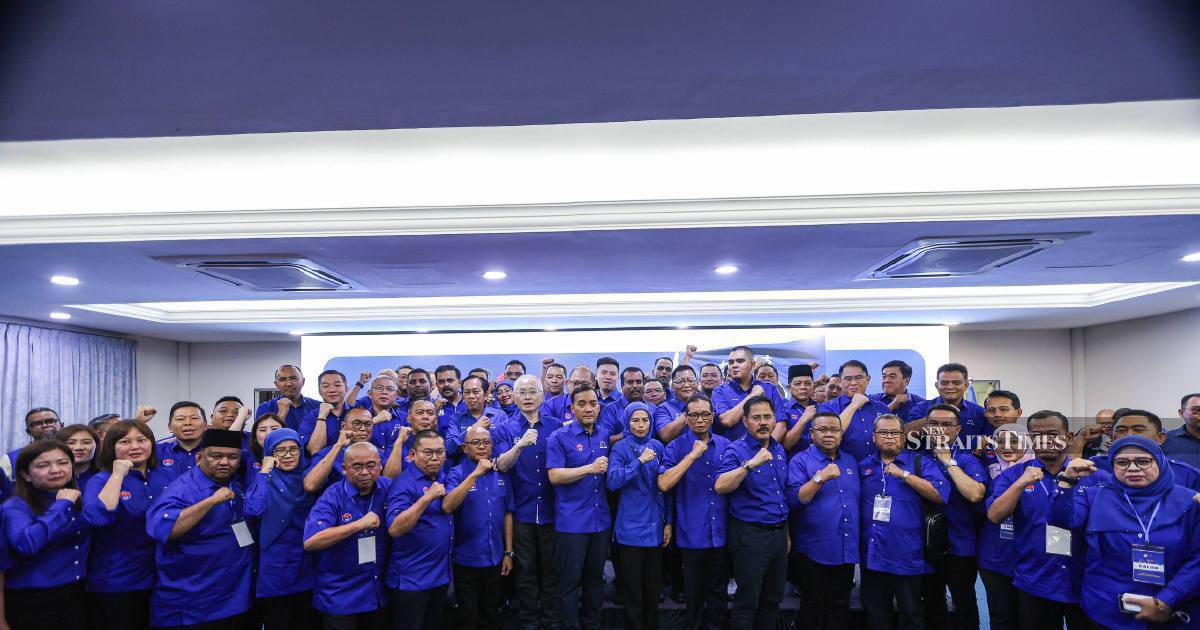
Barisan Nasional has completed its candidate selection process for the Johor state election, announcing a full contingent of 56 nominees in what represents the coalition's formal declaration of intent ahead of the July 11 electoral contest. The announcement, made in Johor Baru, marks a critical milestone in the coalition's campaign machinery as it moves beyond the internal deliberation phase into active electioneering.
The finalisation of BN's candidate list signals the coalition's determination to contest comprehensively across the state, leaving no constituency uncontested. This strategic positioning is particularly significant given the evolving dynamics of peninsular politics, where state elections have increasingly become barometers of national sentiment and testing grounds for coalition fortitude.
For Malaysian voters and political observers, the timing of this announcement reflects BN's operational preparedness as polling day approaches. The completion of candidate selection typically precedes a heightened campaign phase, during which coalition members intensify grassroots engagement, issue positioning, and media outreach. In Johor's political context, where the state has historically served as a BN stronghold, the comprehensive fielding of candidates underscores the coalition's commitment to retaining control despite pressures from competing alliances.
The 56-candidate slate encompasses representatives from the various BN component parties, including UMNO, MCA, and MIC, reflecting the coalition's traditional power-sharing arrangement. This internal distribution of candidacies represents months of negotiation among party leadership, with seat allocations typically reflecting each component party's perceived organisational strength and electoral viability in specific constituencies.
From a regional perspective, the Johor election carries implications extending beyond the state's borders. As the southernmost peninsula state and home to Malaysia's second-largest urban centre, Johor's electoral outcome influences the broader political landscape of Southeast Asia's largest federal democracy. Political analysts view such state contests as crucial data points for understanding voter preferences and emerging political coalitions.
The candidate announcement also provides a window into BN's strategic thinking regarding demographic representation and constituency-level competitiveness. The selection process typically involves assessing candidate credentials, local standing, incumbent performance records, and perceived opposition strength. The completion of this exercise demonstrates that BN's strategic planners have concluded their assessment of the political terrain across all 56 constituencies.
For Malaysian business and investment communities, state electoral outcomes influence policy implementation and governance stability. A decisive result in Johor would provide the winning coalition with a clear mandate to pursue its legislative agenda, whether concerning economic development, infrastructure investment, or social programming. This administrative clarity matters to both domestic and foreign investors evaluating medium-term business conditions.
The July 11 election date follows a prescribed parliamentary calendar and reflects the normal conclusion of the previous state government's electoral mandate. As Johor begins its formal campaign period, candidates nominated by BN will now face direct competition from opposition alliances while simultaneously needing to consolidate support among their respective voter bases. The full candidate slate enables voters to identify their options clearly and begin evaluating candidates based on experience, proposals, and track records.
Within the wider context of Malaysia's political system, state elections maintain distinct significance despite the country's federal structure. Johor's governance directly affects approximately 4 million residents across a strategically important territory encompassing both urban centres and rural constituencies. The policy decisions implemented by whichever coalition forms government following July 11 will shape development priorities, resource allocation, and social initiatives across the state for the subsequent term.
BN's completion of candidate selection also concludes a period of internal party negotiations that occasionally generates friction among component parties. The successful finalisation without major defections or public disputes suggests sufficient cohesion within the coalition to present a united front during campaigning. However, the true test of candidate viability will emerge as polling approaches and individual races develop their distinctive dynamics based on local issues and personalities.
The announcement reflects standard Malaysian electoral procedure, where comprehensive candidate registration and declaration typically occur several weeks before election day. This timeline allows registered candidates to establish campaign structures, register election agents, and begin systematic voter outreach within the legal framework governing campaign conduct.
Looking ahead to July 11, the 56 BN candidates will campaign across all state constituencies, each seeking to secure voter mandates within their respective electoral divisions. The outcome will determine not only Johor's state government composition but also provide important indicators for national political analysts regarding voter sentiment, coalition effectiveness, and emerging regional political trends within Malaysia's dynamic democratic system.