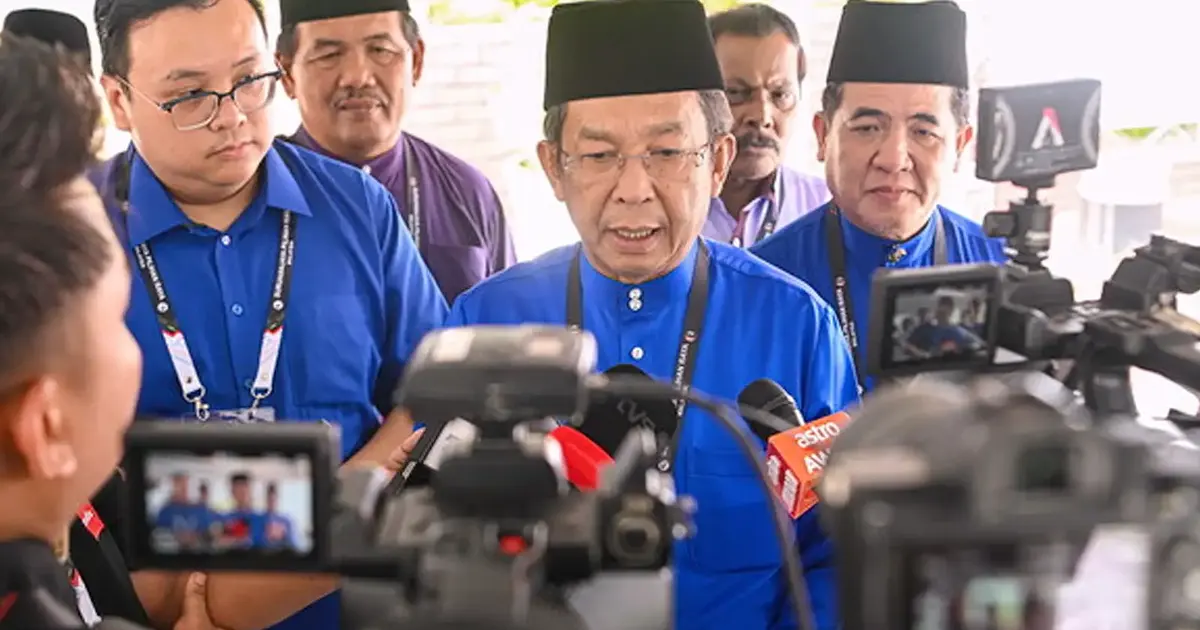
Barisan Nasional has signalled it will hold off naming its chief minister candidate for Negeri Sembilan until after the coalition secures victory in the upcoming state elections, a strategic move that keeps multiple options in play while the coalition consolidates support ahead of polling day. State Umno chief Jalaluddin Alias outlined the decision, emphasising that the coalition prefers to focus its campaign messaging on winning voter confidence rather than announcing leadership appointments before the result is known.
The timing of the announcement reflects a careful calculation within the coalition about how to present a unified front during the campaign period. By deferring the chief minister selection, BN avoids potential divisions over who should lead the state administration, a consideration that becomes especially significant in multiethnic states where power-sharing arrangements and community representation carry substantial weight. The coalition evidently believes that emphasising its collective agenda and policy platform takes precedence over individual personality politics during the crucial campaign phase.
Jalaluddin Alias made clear that the party has identified several potential candidates capable of managing the state government competently, signalling that the eventual choice will not come as a surprise when it materialises. This approach provides flexibility for party leadership to assess which candidate would best serve the coalition's broader political interests across Negeri Sembilan, particularly in relation to coalition partner positioning and community expectations. The pool of capable leaders gives BN room to manoeuvre and select based on post-election political realities and coalition dynamics.
This strategy represents a departure from some previous state election cycles where coalitions have announced candidates well in advance. The reluctance to commit to a specific name at this juncture suggests that BN may be navigating internal party considerations, potential negotiations with coalition partners, or assessments about which candidate might prove most electorally advantageous in particular constituencies. Pre-election announcements can sometimes alienate supporters of alternative contenders or create tensions within coalition partnerships, making the post-election approach potentially more pragmatic.
For Malaysian voters in Negeri Sembilan, the deferred announcement means the choice of chief minister will partly depend on the composition of the state assembly following elections. Different electoral outcomes could necessitate different coalition partner arrangements, which in turn could influence who emerges as the most suitable chief minister candidate. This contingency planning reflects political maturity but also means voters casting ballots may not know precisely who would lead the state under different scenarios.
The coalition's approach also contrasts with opposition parties, who may have already committed to specific candidates or leadership positions. Umno's flexibility here could represent either strategic advantage—by remaining adaptable to campaign developments—or potential disadvantage, depending on whether voters prefer clarity about future leadership before voting. Contemporary electoral practice increasingly sees campaigns where candidates remain somewhat fluid until final results become apparent.
Negeri Sembilan's political landscape contains particular complexities that may inform BN's decision. The state's multiethnic composition, the need to balance various community interests, and the state's relative stability compared to more competitive states may have led the coalition to prioritise campaign unity over early candidate announcements. The absence of a named candidate also prevents opposition parties from focusing attacks on a specific individual rather than the coalition's overall platform.
Jalaluddin Alias's confirmation that multiple leaders stand ready to assume the chief minister role projects confidence within Umno's Negeri Sembilan structure, suggesting no obvious succession crisis or leadership vacuum within the party. This depth of potential candidates could indicate either genuine strength in the party's bench or perhaps some uncertainty about the ideal choice—the statement itself remains ambiguous on that dimension. Either interpretation, however, appears preferable to the alternative of announcing only one viable candidate.
The deferral strategy also reflects broader patterns within Malaysian politics, where coalition dynamics and federal-state relationships often remain fluid until elections produce definitive results. BN's federal leadership may wish to assess performance across all voting states before determining optimal placements of chief ministers, especially given potential ripple effects across coalition partnership arrangements. Negeri Sembilan's outcome could influence whether certain leaders are better deployed in other states or in federal roles.
From a practical standpoint, campaign messaging can now focus entirely on policy platforms, development promises, and the coalition's track record of governance without becoming sidetracked by internal leadership debates. This concentration on substantive issues rather than personality-driven politics may appeal to voters seeking clear information about what a BN state government would deliver across education, infrastructure, healthcare, and economic development priorities. Whether this approach ultimately advantages BN will depend partly on how effectively the opposition counters with its own messaging strategy.
The coalition's position also provides breathing room should unexpected political developments occur during the campaign period. Should any candidate face unforeseen difficulties or reputational challenges, the deferred announcement allows for adjustments without the complications of reversing a public commitment. This pragmatic flexibility characterises modern coalition management in Malaysia's competitive political environment, where circumstances on the ground can shift rapidly during campaign periods.
Ultimately, Jalaluddin Alias's statement represents a deliberate political choice prioritising campaign unity and strategic flexibility over the immediate clarity that advance announcements provide. Whether Negeri Sembilan voters appreciate this approach or prefer earlier disclosure of leadership intentions will partly determine the effectiveness of BN's overall electoral strategy in the state. The coming weeks will reveal whether the coalition's calculated delay proves prudent or whether opposition parties exploit the absence of a named candidate to frame BN as uncertain about its leadership direction.

