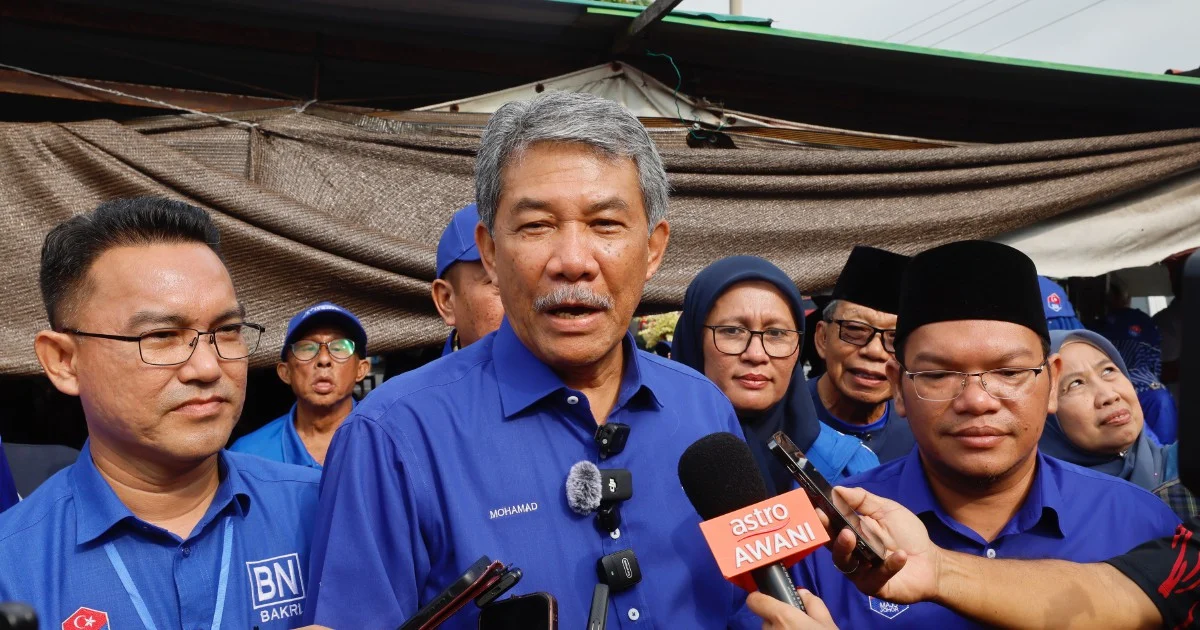
Datuk Seri Mohamad Hasan, the deputy chairman of Barisan Nasional, has escalated tensions with the opposition by directly challenging Nga Kor Ming, the Democratic Action Party leader, to step down from his position. The confrontation stems from statements Nga made regarding the recent Johor state election, which have drawn the ire of the ruling coalition's second-in-command.
The verbal exchange represents an intensification of political rhetoric surrounding the Johor electoral contest, a state where Barisan Nasional maintains substantial influence and where election outcomes carry significant implications for the coalition's standing ahead of future national polls. Mohamad Hasan's public demand for Nga's resignation underscores the heightened political temperature in Malaysia's ongoing power struggle between the government coalition and opposition forces.
The dispute centres on Nga's commentary about the Johor election, though the specific nature of his remarks has become a point of contention between the two political camps. Rather than engaging substantively with Nga's criticisms, Mohamad Hasan has opted for a confrontational approach, issuing what amounts to an ultimatum. This tactical choice reflects broader patterns in Malaysian politics, where personal attacks and calls for resignation have become standard responses to policy disagreements or electoral disputes.
Nga Kor Ming, as DAP leader and a prominent voice in Malaysia's opposition coalition, commands significant attention within opposition circles and among urban, particularly Chinese-Malaysian voters who form the party's core support base. His statements on the Johor election would carry particular weight given his standing, which likely explains why Barisan Nasional's leadership felt compelled to respond directly rather than dismissing the comments as routine opposition rhetoric.
For Malaysian observers, this confrontation illustrates the persistent fragmentation and acrimony characterizing the country's political landscape since the tumultuous events of 2020, when the collapse of the Pakatan Harapan government reshaped coalition alignments. Johor, as a traditionally Barisan Nasional stronghold with significant economic importance, represents a crucial battleground where political credibility is measured and contested.
The timing and intensity of Mohamad Hasan's response also merit consideration within the context of broader coalition dynamics. Barisan Nasional appears determined to demonstrate unity and strength in defending its electoral performance, particularly in a state where it has historically dominated. By having the deputy chairman issue such a pointed challenge, the coalition signals that it will not tolerate opposition criticism of its governance or electoral conduct without vigorous rebuttal.
From a Southeast Asian perspective, Malaysia's internal political disputes carry regional significance. As the region's most politically complex democracy, with intricate communal politics and competing power centres, developments in Malaysian electoral politics often generate wider attention. The Johor situation and the broader BN-opposition tensions reflect deeper questions about democratic governance, coalition stability, and the balance of power in Southeast Asia's most developed nation.
The call for resignation also reflects the high stakes involved in Malaysian political competition. Unlike some democracies where opposition figures and ruling coalition members can engage in substantive debate without personal animosity, Malaysian politics frequently escalates disagreements into demands for removal from office. This pattern has become normalized across the political spectrum, making it difficult for substantive policy discussion to flourish independent of personal and factional considerations.
Mohamad Hasan's position as deputy chairman of Barisan Nasional carries significant weight, particularly in Johor where he maintains considerable influence and political networks. His intervention therefore represents an official response from the coalition's upper echelons, not merely the opinion of an individual politician. This distinction underscores the seriousness with which the ruling coalition views Nga's remarks and the opposition challenge more broadly.
Looking forward, the trajectory of this dispute will likely depend on whether opposition parties rally around Nga or seek to distance themselves from his comments. The DAP's response will be particularly telling, as the party must balance defending one of its most senior figures against the political costs of appearing confrontational toward the Barisan Nasional-led government. The broader implications for coalition cohesion within both ruling and opposition camps remain uncertain, though historical precedent suggests that such public confrontations typically intensify rather than resolve underlying political tensions.

