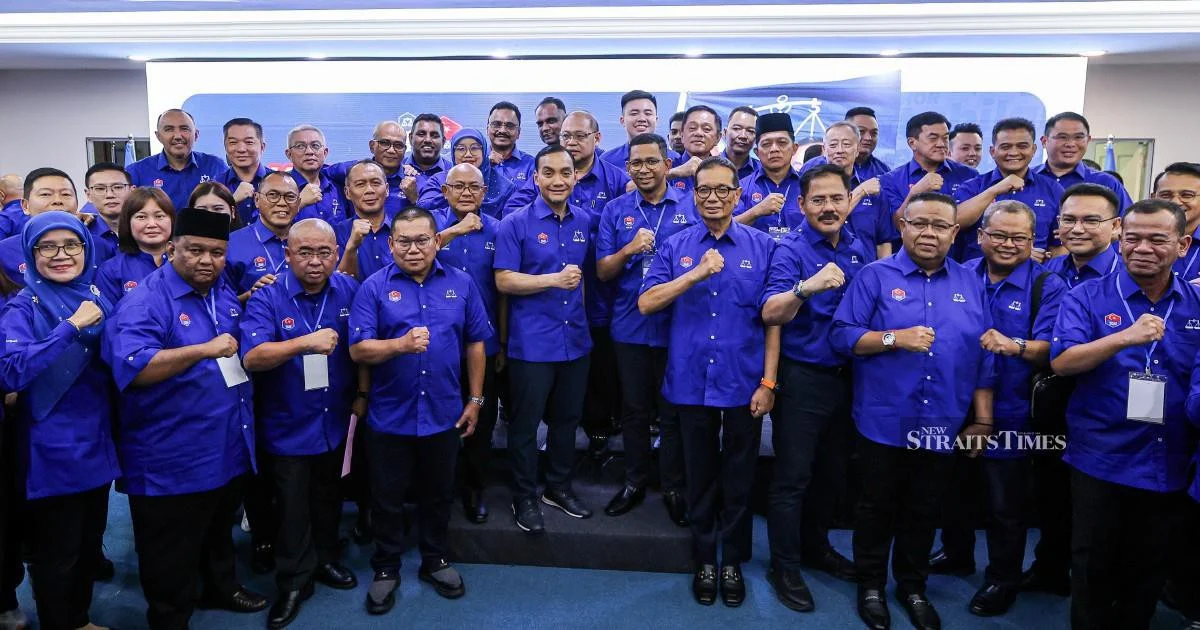
Barisan Nasional's leadership in Johor is placing considerable confidence in a crop of newly selected candidates as the coalition prepares for the 16th state election on July 11. The decision to elevate fresh faces across the BN component parties reflects a strategic calculation that new energy and perspectives can reinvigorate the coalition's appeal to voters in Malaysia's second-largest state by population.
The emphasis on newcomers marks a notable departure from past electoral cycles, where BN often relied heavily on incumbent representatives and established political machinery. By introducing candidates without extensive legislative track records, the coalition aims to distance itself from accumulated grievances while simultaneously projecting a forward-looking image to an electorate that has grown increasingly discerning in recent years. This generational refresh carries symbolic weight, suggesting that BN acknowledges the need to rebuild voter confidence after the political turbulence of the past decade.
Johor holds strategic importance within Malaysia's political landscape that extends far beyond state boundaries. As the southern anchor of the peninsula, the state has historically served as a bellwether for broader electoral trends. The outcome on July 11 will carry implications for federal politics, particularly regarding the composition of the Dewan Rakyat and the stability of any future federal coalition. A decisive BN victory in Johor would provide the coalition with considerable momentum heading toward eventual parliamentary elections, while a weakened performance could embolden opposition parties and complicate coalition mathematics at the federal level.
The decision to field fresh candidates also reflects practical considerations within BN's component parties themselves. The United Malays National Organisation, the Malaysian Chinese Association, the Malaysian Indian Congress, and other coalition members have experienced internal pressures regarding leadership renewal and the distribution of winnable seats. By identifying and promoting new candidates, party leaders can manage succession planning while potentially mollifying younger party members who have grown impatient with the pace of advancement. This internal party management dimension, though less visible to voters, significantly influences candidacy decisions alongside electoral strategy.
However, the reliance on new candidates carries inherent risks alongside its potential benefits. Voters often value experience and established connections to their representatives, particularly when seeking assistance with local issues and development projects. Candidates without previous legislative experience may struggle to articulate how they would secure resources and advocate effectively for their constituencies. Additionally, opposition parties will likely exploit any perceived inexperience, positioning themselves as more reliable representatives with proven track records of delivery and constituent service.
The seven-week campaign period between now and July 11 will test whether BN's new candidates can overcome these structural disadvantages through grassroots engagement and effective messaging. Successful campaigns depend not merely on candidate selection but on sustained organisational effort, targeted communication, and demonstrated understanding of local issues. The BN machinery in Johor will need to effectively introduce these new faces to voters while simultaneously defending the coalition's record and contrasting its vision with opposition alternatives.
Contextually, Johor has experienced significant economic and demographic changes over the past decade that demand responsive governance. The state's role as a manufacturing hub and its geographic proximity to Singapore create unique opportunities and challenges. Issues including cross-border worker management, industrial development, infrastructure modernisation, and the integration of migrant communities require sophisticated policy approaches. Whether BN's slate of newcomers has adequate depth of understanding regarding these complex issues remains an open question that opposition parties will certainly probe.
The opposition Democratic Action Party, Pakatan Harapan, and other competing coalitions are simultaneously preparing their own candidate selections and campaign strategies. The competitive landscape in Johor has shifted considerably since the 2022 federal elections, with various political blocs seeking to consolidate or expand their influence. If opposition parties successfully field their own compelling new candidates backed by effective campaign machinery, they could counter BN's generational argument with narratives about fresh perspectives unconstrained by association with prior BN governance.
For Malaysian voters in Johor and observers elsewhere in Southeast Asia, the July 11 election offers a test case regarding how democratic electorates respond to leadership transitions and coalition repositioning. The outcome will provide insights into whether voters prioritize experience and proven track records or whether they embrace candidates offering change and new approaches. This tension between continuity and renewal fundamentally shapes electoral outcomes across democracies globally, and Malaysia's Johor contest will contribute valuable data to understanding how these dynamics operate within the Malaysian context.
BN component parties are framing their new candidate slate as representing both diversity and unity within the coalition framework. This messaging seeks to present the various component parties as working cohesively behind a common objective while simultaneously respecting the coalition's multiethnic and multireligious character. Successfully translating this narrative into actual legislative outcomes, however, will depend on post-election performance and the coalition's ability to translate electoral success into tangible improvements in public services, economic opportunity, and quality of life across the state's diverse communities.

