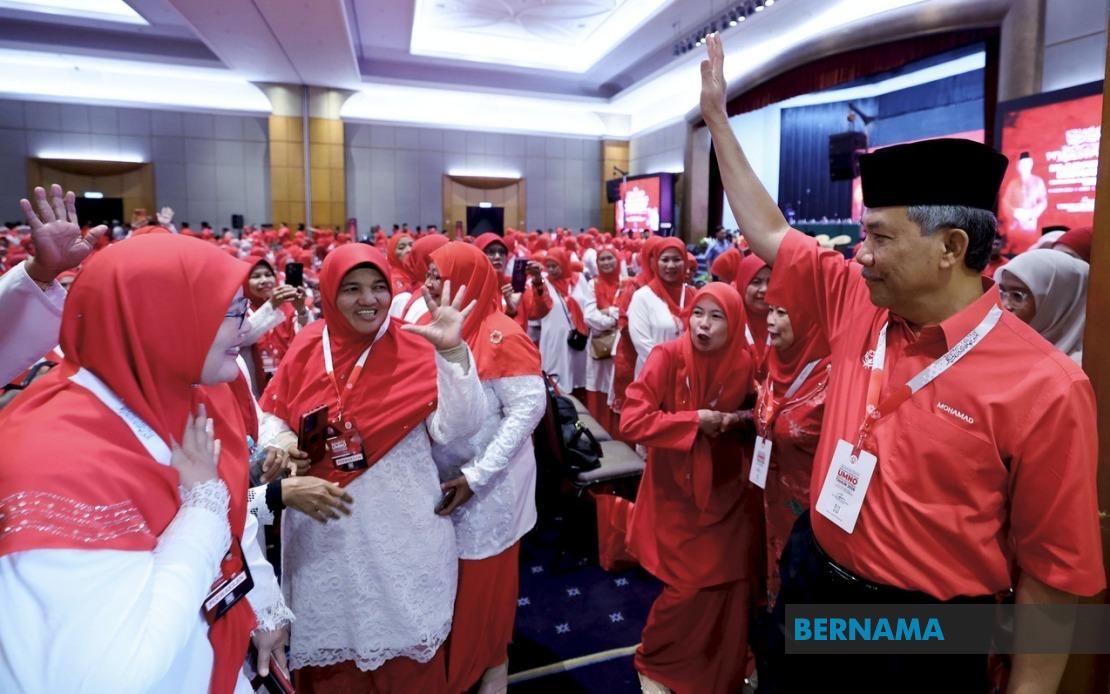
Barisan Nasional has signalled a significant departure from decades of convention in Negeri Sembilan, preparing to reshuffle its long-established seat allocations ahead of the state election on August 1. The move represents a strategic recalibration by the coalition, with BN deputy chairman Datuk Seri Mohamad Hasan indicating that the composition of voters across constituencies has shifted sufficiently to warrant a comprehensive review of where each component party contests.
Under the traditional arrangement, BN component parties had retained specific constituencies for years, sometimes decades, with ownership treated almost as inherited entitlements rather than strategic decisions. Mohamad explained that this inflexible model has become counterproductive, as demographic changes have rendered some long-held seats vulnerable or uncompetitive for their traditional holders. The decision to introduce flexibility reflects a pragmatic recognition that voter composition and electoral dynamics have evolved considerably since many of these allocations were first established.
The rationale underpinning this shift is ostensibly to maximize BN's electoral performance by repositioning parties into constituencies where they can realistically compete for victory. Rather than maintaining the status quo of automatic seat assignments, component parties will now be evaluated against specific constituencies based on their organisational strength, grassroots networks, and demographic alignment. This approach theoretically allows BN to deploy its resources more efficiently and present candidates with stronger chances of electoral success.
Mohamad framed the adjustment as democratic necessity, arguing that the traditional system had inadvertently restricted voter choice by pre-determining which party would contest in each area regardless of changing circumstances. By introducing seat flexibility, BN contends it is returning agency to voters whilst simultaneously giving coalition components a fairer opportunity to contest seats where they possess genuine competitive advantage. This reframing is significant, as it positions what might appear as internal reorganisation as a voter-centric reform.
The implementation timeline is compressed, with Mohamad announcing that candidates must be declared by July 15 when BN formally launches its election machinery. This tight schedule reflects the challenging administrative task of reorganising seat distributions across multiple component parties whilst maintaining coalition cohesion. Division heads have been instructed to submit at least three candidate nominees per constituency, providing the BN Supreme Council with options for final candidate selection.
The previous election results will serve as the primary analytical framework for this reorganisation. BN strategists plan to examine voting patterns, demographic shifts, and performance data from the prior state election to identify which constituencies would be better served by different component parties. This evidence-based approach suggests a more systematic methodology than historical seat allocation decisions, though it also reflects how severely past election performance must weigh on current calculations.
Critically, any final determinations rest with the BN Supreme Council at the national level rather than with state structures. This centralised decision-making authority underscores the coalition's concern that unmanaged state-level negotiations could produce fractious outcomes, particularly given the sensitive nature of seat reallocation discussions. Past experience has demonstrated that seat disputes can trigger destructive internal conflicts that damage BN's electoral prospects more severely than rational strategic considerations might warrant.
Modamad's reference to sabotage by BN members in previous elections reveals the coalition's vulnerability to internal fractures. When component parties feel disadvantaged or denied expected seat allocations, individual members have occasionally worked against official candidates or even defected to opposition parties, costing BN multiple constituencies. This historical precedent explains the current insistence on maintaining party discipline and avoiding contested seat distributions that could provoke member disaffection.
Regarding Mohamad's own political position, he declined to confirm whether he would defend the Rantau state seat he has held since 2004, deferring the decision to party leadership. This stance, whilst diplomatically vague, suggests that even senior figures like Mohamad are subject to the coalition's broader seat-reallocation exercise. His willingness to potentially accept reassignment or retirement signals the seriousness with which BN is treating this reorganisation, though it may also reflect recognition that Rantau's voter composition has shifted adversely.
For Malaysian political observers, this development illustrates the coalition's attempt to adapt its organisational structures to contemporary electoral realities. The traditional model of entrenched seat ownership reflected an earlier era when voter loyalties were more stable and demographic changes occurred more gradually. The readiness to abandon these conventions, however reluctantly, demonstrates that even conservative coalitions must respond to measurable shifts in political geography.
The Negeri Sembilan election assumes broader significance within Malaysia's post-2022 political landscape, occurring as Pakatan Harapan and other opposition coalitions continue consolidating their positioning. BN's performance in this state election will provide indicators of coalition strength in traditionally Malay-majority constituencies and test whether organisational flexibility can offset opposition momentum in specific regions. The seat reallocation exercise itself, if managed poorly, could generate the internal divisions BN leadership explicitly fears.
Election Commission procedures establish July 18 for nominations and July 28 for early voting, providing relatively limited adjustment time for candidates and party machinery to mobilise following the July 15 candidate announcement. This compressed campaign period places additional pressure on BN's candidate finalisation process and suggests that leadership confidence in the overall strategic direction must be sufficiently robust to implement these changes without triggering widespread internal objections.

