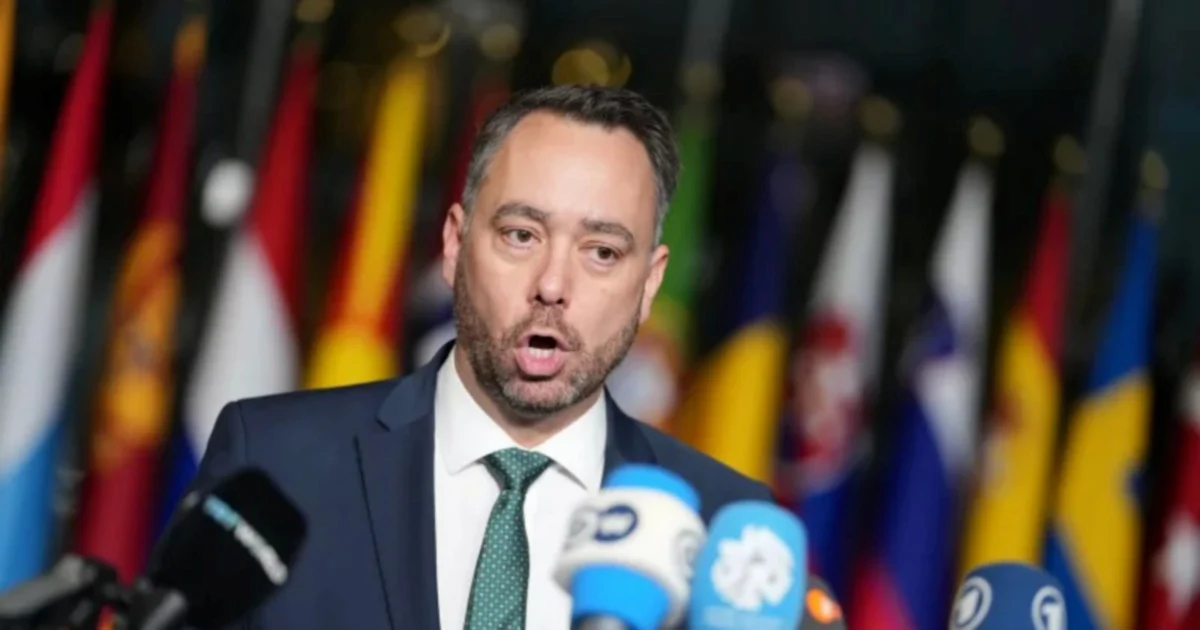
Belgium's Deputy Prime Minister and Foreign Minister Maxime Prevot is set to arrive in Malaysia tomorrow for a two-day working visit that underscores deepening economic and diplomatic ties between the two nations. The visit signals a strategic shift in Europe's engagement with Southeast Asia, particularly in securing sustainable energy solutions and accessing critical materials crucial for the continent's green transition.
The talks between Malaysian and Belgian officials are expected to concentrate on renewable energy cooperation, reflecting both nations' commitment to achieving their climate targets. For Belgium, which has pledged to significantly reduce carbon emissions over the coming decade, Malaysia represents a key partner in sourcing renewable energy technology and expertise. For Malaysia, the engagement offers opportunities to position itself as a reliable supplier of clean energy solutions and related infrastructure to European markets, complementing its existing regional manufacturing base.
Rare earth elements form a critical component of the bilateral agenda, highlighting Europe's growing vulnerability in the supply chains essential for modern technology. The European Union has increasingly recognized its dependence on Asian suppliers for these minerals, which are fundamental to everything from renewable energy installations to defence systems. Malaysia's significant reserves and processing capabilities make it an invaluable partner in this context, and the Prevot visit provides an opportunity to establish frameworks for more stable, long-term supply arrangements that benefit both economies.
The halal industry discussion reflects Malaysia's established position as a global leader in Islamic economy standards and certification. With Europe's Muslim population growing and demand for halal products expanding beyond traditional consumers, Belgian and other European businesses see substantial commercial opportunities. Malaysia's expertise in halal logistics, product development, and certification can facilitate European entry into these markets, creating pathways for mutual investment and technology transfer. This sector has become increasingly important to Malaysia's economic diversification strategy, generating substantial export revenues and employment.
From a geopolitical perspective, the visit demonstrates Belgium's role as a key player in EU foreign policy, given its diplomatic prominence and the proximity of EU institutions in Brussels. A high-level Belgian visit to Southeast Asia carries weight in EU strategic planning discussions. The timing also reflects broader European recognition that the region's economic dynamism and resource wealth cannot be overlooked in formulating long-term trade and security policies.
Malaysia has positioned itself strategically at the intersection of global energy transitions and supply chain reorganization. As Western nations reduce reliance on Russian and Middle Eastern energy sources and seek to diversify commodity suppliers, Southeast Asian nations—and Malaysia particularly—have become increasingly significant players. Government initiatives supporting renewable energy development, coupled with existing industrial capabilities, create an attractive landscape for foreign direct investment and technology partnerships.
The renewable energy sector represents an area where both nations can benefit substantially from knowledge exchange. Belgium has pioneered advanced wind energy technologies and grid integration systems, while Malaysia possesses vast solar potential and is rapidly developing domestic renewable capacity. Collaborative projects could accelerate technology deployment in the region while creating commercial opportunities for Belgian equipment manufacturers and service providers.
Trade relations between Belgium and Malaysia, though historically modest in volume compared to Malaysia's engagements with larger European economies, have room for substantial expansion. The Belgian visit provides a platform to discuss tariff frameworks, regulatory harmonization, and investment protection mechanisms that could facilitate increased commercial activity. For Malaysian exporters, better access to European markets through Belgium—a gateway to the entire EU—represents meaningful economic opportunity.
The focus on three distinct sectors—renewable energy, rare earths, and halal products—reveals a sophisticated understanding of complementary economic interests. Rather than competing directly, these areas allow each nation to leverage existing strengths while gaining access to foreign expertise and markets. This diversified approach to bilateral relations reduces overdependence on any single commodity or sector, creating more resilient economic partnerships.
Looking ahead, this visit may catalyze broader European-Malaysian cooperation frameworks. Success in these negotiations could establish templates for engagement with other EU member states, amplifying Malaysia's influence in European economic planning. For Belgium specifically, success in securing renewable energy partnerships and supply chain access during the visit would strengthen its standing within the EU as an effective diplomatic bridge to Southeast Asia.
The discussions will likely address institutional mechanisms for ongoing cooperation, including possible joint commissions, regular dialogue forums, and mechanisms for dispute resolution. These structural elements, if established, would provide continuity beyond the immediate visit period, embedding bilateral cooperation into both nations' long-term strategic planning.
The Prevot visit occurs amid global economic uncertainty and shifting geopolitical alignments, making bilateral engagement between medium-sized economies particularly valuable. Both Belgium and Malaysia benefit from demonstrating to their respective constituencies—European and Asian—that they are capable of forging meaningful partnerships that generate tangible economic benefits and strengthen regional stability.

