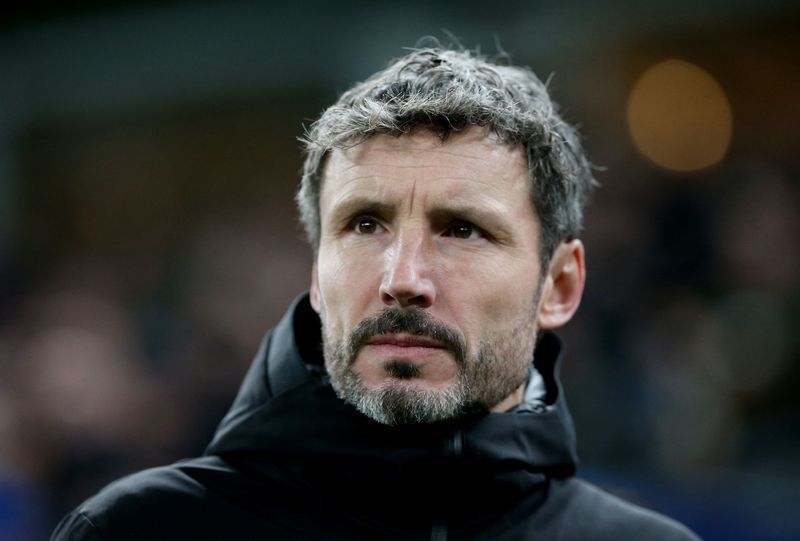
Mark van Bommel has made clear his commitment to Belgium by rejecting any notion that he might have delayed his appointment in hopes of eventually coaching the Netherlands, his native country. Speaking at his first press conference since taking over from Rudi Garcia last month, the 49-year-old former international defender explained that when the opportunity to lead the Belgian national team materialised, he accepted without reservation or second thoughts about missing a potential opening with the Dutch federation.
The timing of Van Bommel's statement is significant given that the Netherlands remains actively searching for a permanent coach following their World Cup campaign. In recent months, several high-profile candidates have been linked with the position, creating an impression that the Dutch post might eventually become available to the right candidate. Van Bommel's decisive response—that he never contemplated waiting—suggests he recognises the rare value of securing a top national team role, particularly one involving a squad of Belgium's quality and experience.
Van Bommel articulated a philosophy about national team coaching that resonates across football. He emphasised that managing a country represents one of the sport's most prestigious positions, allowing coaches to work exclusively with elite domestic talent while competing on the world stage. His perspective reflects the reality that truly exceptional national team opportunities arise infrequently for coaches at his level, making the Belgium position particularly attractive regardless of parallel developments elsewhere.
The new coach acknowledged that over the previous two years he had received numerous offers from various quarters, but none had compelled him sufficiently to leave his existing situation. The speed with which events unfolded with Belgium—from Garcia's departure following the World Cup quarter-final exit to Van Bommel's rapid appointment—apparently convinced him that this particular moment represented a genuine opportunity not to be deferred. His willingness to move decisively suggests the Belgian federation presented terms and a project structure that aligned with his ambitions.
Van Bommel's own playing pedigree adds credibility to his appointment. As a defender who represented Barcelona, Bayern Munich, and AC Milan during his club career, and who featured in the 2010 World Cup final for the Netherlands, he brings substantial experience of operating at the highest levels of international and club football. This background informs his understanding of what elite players require from coaching staff and the environment necessary to extract peak performances.
When discussing his objectives as Belgium coach, Van Bommel struck a balance between ambition and realism. He stated unequivocally that winning constitutes his primary goal, mirroring the mindset he carried throughout his playing career. However, he distinguished between genuine aspiration and the kind of overconfident rhetoric that sometimes emerges from national team programmes. He noted that while Netherlands coaches frequently proclaim world championship ambitions, numerous variables influence actual tournament outcomes. This measured tone suggests a coach aware of both the quality within his squad and the unpredictability inherent in international football.
Van Bommel will begin his Belgium tenure in the UEFA Nations League rather than a major tournament, providing a controlled environment to establish tactical principles and evaluate player combinations. His first match comes against Italy in Rome on September 25, followed by fixtures against Turkey and France during the September-October international window. The Nations League represents both a competitive platform and a testing ground before Belgium approaches the next major tournament cycle.
The question of Thibaut Courtois loomed large during Van Bommel's press conference, reflecting broader uncertainty about Belgium's squad composition moving forward. Courtois announced following the World Cup that he intended to step back from international football, a decision that would deprive Belgium of one of its most accomplished players. Van Bommel's response demonstrated diplomatic patience rather than confrontation, indicating his intention to engage in genuine dialogue with Courtois before any final determination about the goalkeeper's future. This approach recognises that sometimes initial post-tournament statements reflect fatigue and emotion rather than definitive career choices.
Van Bommel stated he would not rush into judgment regarding Courtois, preferring instead to wait until the goalkeeper returned to full club training before initiating substantial conversations about his international availability. This timeline reflects practical considerations: a player in recovery or reduced training status cannot make fully informed decisions about national team involvement. The coach's willingness to allow space for reconsideration rather than issuing ultimatums suggests confidence that Courtois, upon reflection, might recalibrate his position.
The Belgium coaching transition carries significance for Southeast Asian football observers as well, particularly those monitoring how established European teams rebuild and transition. Belgium's squad, built around extraordinary talent during the previous decade, now faces a generational pivot. Van Bommel's appointment signals the federation's commitment to retaining competitive status while allowing younger players opportunity to establish themselves. How Belgium manages this transition under new leadership will offer lessons for other nations managing similar squad evolution.
Van Bommel's immediate priorities appear clear: establish tactical identity, manage the goalkeeper situation diplomatically, and approach the Nations League campaign with appropriate intensity. His emphasis on not overpromising—while simultaneously maintaining winning standards—suggests a coach who has learned from observing both successful and failed national team projects. For Belgium, navigating the post-World Cup period under fresh leadership while retaining enough familiar structures to maintain competitive coherence represents the essential challenge Van Bommel must address across his opening months.

