Bersatu's position within Perikatan Nasional has effectively ended following Tan Sri Muhyiddin Yassin's public declaration that the party intends to establish its own coalition structure. The automatic revocation of membership represents a formal break from the alliance that has shaped Malaysia's opposition politics since its formation in 2020. This development signals a major realignment in the country's fractious multi-party political landscape, where coalition partnerships have repeatedly proven volatile and subject to rapid dissolution.
The termination of Bersatu's PN membership occurs amid mounting tensions within the broader opposition alliance. Since its inception, Perikatan Nasional has served as a significant counterweight to Pakatan Harapan, drawing support from parties dissatisfied with the latter's direction. However, internal disagreements over strategy, leadership direction, and electoral positioning have consistently threatened the coalition's cohesion. Muhyiddin's decision to chart an independent course reflects deeper frustrations within Bersatu regarding the partnership's effectiveness and future trajectory.
Muhyiddin's announcement to establish a new coalition represents a bold strategic manoeuvre that could reshape Malaysia's political competition before the next general election. By breaking away from PN, Bersatu positions itself as an independent force capable of negotiating with multiple blocs simultaneously. This flexibility may appeal to fence-sitting lawmakers and party members who feel constrained by rigid coalition commitments that limit their bargaining power. The move also allows Bersatu to rebrand itself away from associations with PN partners that may have become electoral liabilities in certain constituencies.
The implications for Perikatan Nasional itself are substantial. With Bersatu's departure, the coalition loses one of its major components alongside PAS and other smaller parties. This weakens PN's negotiating position and electoral machinery heading into any potential electoral contests. Analysts suggest that Bersatu's exit could prompt further departures if remaining members conclude that the coalition lacks sufficient strength to deliver electoral victories or ministerial positions. The domino effect of party realignments has been a recurring pattern in Malaysian politics, where perceived declining fortunes often trigger opportunistic defections.
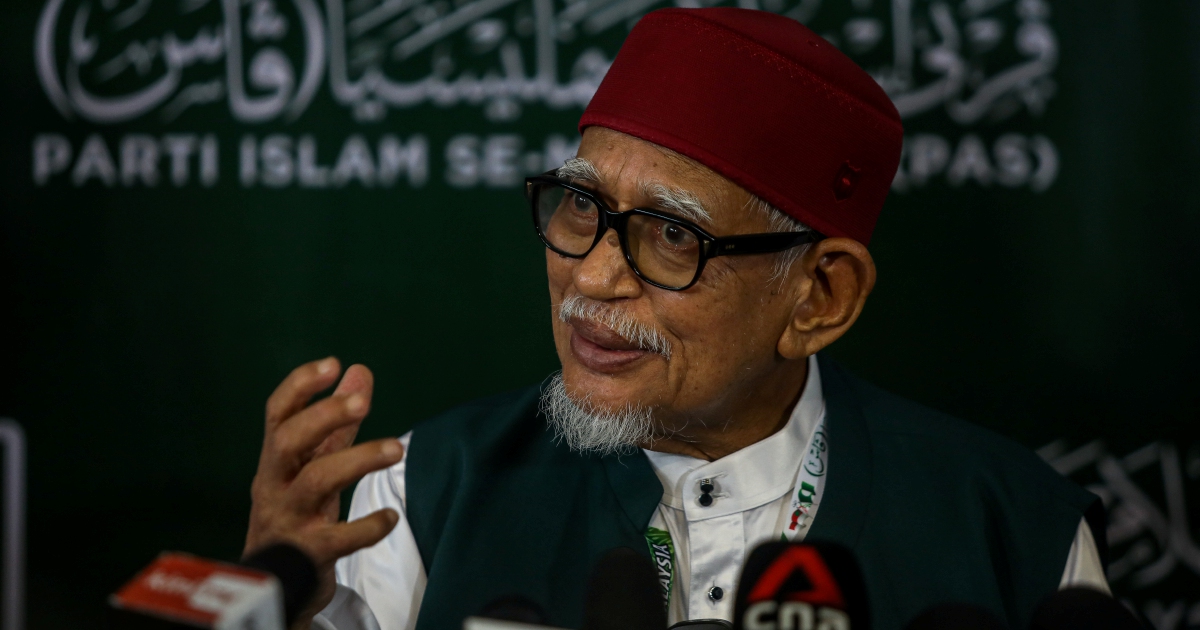
PAS, as the largest remaining component of Perikatan Nasional, must now determine how to salvage the coalition's relevance. The party's leaders face pressure to either attract new members to strengthen PN or to consider alternative alliances. PAS has demonstrated significant electoral appeal in certain regions, particularly among rural and conservative Malay-Muslim constituencies, but maintaining that base while partnering with smaller, less influential parties presents strategic complications. The party's next moves will substantially influence whether Perikatan Nasional continues as a meaningful political force or gradually fades into irrelevance.
From a Malaysian voter's perspective, this fragmentation exemplifies the broader instability characterising the nation's political system. Coalitions form and dissolve with such frequency that the average citizen struggles to maintain consistent support for coherent political projects. Parties prioritise factional interests and leadership ambitions over programmatic consistency, leaving voters uncertain about what they are actually electing. This perpetual instability has contributed to declining public confidence in political institutions and erosion of trust in the democratic process itself.
The regional context adds another dimension to this development. Southeast Asian democracies have grappled with challenges of managing diverse party systems and coalition formation. Malaysia's experience reflects broader tensions between maintaining coalition discipline and accommodating diverse party interests. Neighbouring countries have attempted various mechanisms to promote stability, from formal coalition agreements to institutional constraints on party-switching. The relative success of these approaches elsewhere offers potential lessons for Malaysian policymakers interested in enhancing political stability.
Bersatu's decision to pursue an independent coalition strategy may also reflect calculations about future electoral prospects under Malaysia's first-past-the-post system. Coalition partners must balance between benefiting from combined campaign resources and messaging coordination against the potential costs of shared responsibility for unpopular policies or failed promises. For a party like Bersatu, which has occupied shifting positions since its formation in 2016, independence potentially offers greater flexibility to appeal to different voter groups across diverse regions without being constrained by coalition partners' constituencies and commitments.
The transition period ahead will likely see intensive negotiations as various political actors attempt to position themselves advantageously. Bersatu may approach other PN members with individual partnership proposals, potentially leading to selective alliances rather than bloc-wide commitments. Simultaneously, PAS and other remaining PN parties must evaluate whether continuing the coalition framework makes sense or whether they should pursue parallel strategies. The outcome of these negotiations will materially shape Malaysia's political configuration and electoral competitiveness in coming contests.
Ultimately, Bersatu's departure from Perikatan Nasional underscores persistent structural vulnerabilities within Malaysia's coalition system. Without mechanisms promoting longer-term commitment and addressing underlying sources of party conflict, future alignments will likely prove equally fragile. The constant reconfiguration of political partnerships imposes substantial costs on democratic governance, including uncertainty in policy implementation and reduced institutional predictability. Addressing these challenges may require deeper reforms to how parties are regulated, how coalitions are formalised, and how electoral incentives are structured.

