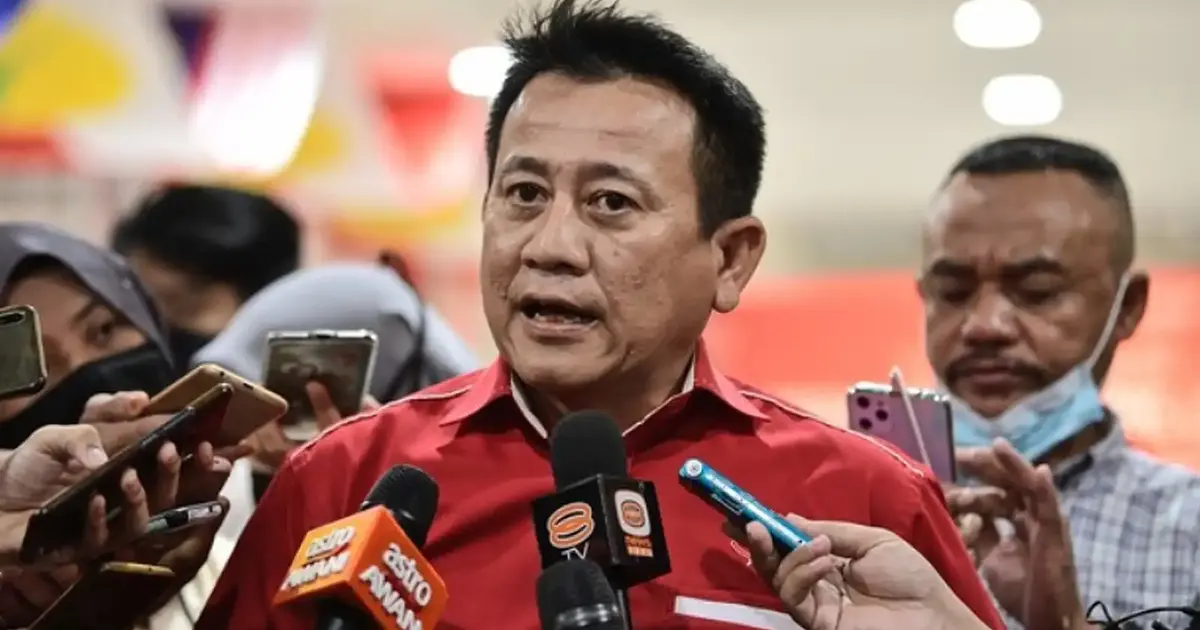
Bersatu has moved to dispel suggestions that it blocked Pejuang's entry into Perikatan Nasional, with the party's information chief Tun Faisal Ismail Aziz issuing a statement to clarify the coalition's internal deliberations on new membership applications. The clarification comes amid growing speculation about tensions within the PN alliance, particularly regarding which parties qualify for admission to the bloc and under what circumstances potential members should be evaluated.
According to Tun Faisal, Bersatu's reservations centred specifically on Parti Wawasan Negara rather than Pejuang, a distinction that assumes considerable significance given the delicate balance of power within the three-year-old coalition. This nuanced position suggests that the party was selective in its opposition to prospective applicants, rather than adopting a blanket approach against expansion of the alliance's membership base. The clarification indicates that Bersatu did not view Pejuang's application with the same level of concern that prompted its objections to the other party.
The distinction between the two parties' applications carries weight within PN's framework, as each admission decision potentially reshapes the coalition's ideological composition and voting strength in parliament. Pejuang, led by veteran politician Muhyiddin Yassin, has stronger historical ties to existing PN members, whereas Parti Wawasan Negara represents a newer political entity with less established relationships within the bloc. Bersatu's differentiated response therefore reflects calculations about how various admissions might affect internal cohesion and the coalition's electoral positioning.
Internal coalition dynamics in Malaysian politics frequently hinge on such granular distinctions about membership and influence. The question of which parties gain admission to a bloc carries implications beyond mere numerical representation, as each new member potentially shifts consensus-building dynamics and bargaining power between existing members. PN's current configuration already involves managing relationships between Bersatu, PAS, and several smaller parties with sometimes divergent political agendas and cultural priorities.
For Malaysian observers, the Bersatu clarification underscores how opposition coalitions function as complex political ecosystems where seemingly straightforward membership questions become laden with strategic implications. The PN alliance, formed as a counter-weight to earlier government configurations, has itself evolved into a structure requiring careful management of competing interests. The handling of applications from parties like Pejuang and Parti Wawasan Negara reveals how such coalitions balance inclusivity against the preservation of existing members' influence.
Tun Faisal's intervention also reflects Bersatu's broader communications strategy during a period when the party faces scrutiny over its role within PN. As information chief, his statements carry official weight regarding how the party wishes external audiences to understand its positions and priorities. By specifically naming Parti Wawasan Negara as the focus of objections, Bersatu appears to be managing perceptions about its willingness to support coalition expansion whilst reserving judgment on specific applicants.
The broader context involves regional patterns in Malaysian coalition politics, where alliances periodically reconfigure based on electoral arithmetic and policy alignment. PN itself emerged from realignments within Malaysia's political landscape, and questions about which parties merit membership effectively determine the coalition's future trajectory. Decisions made during this period of coalition consolidation will likely influence PN's competitiveness in coming electoral cycles and its capacity to function as a cohesive parliamentary force.
Pejuang's position as an aspiring PN member carries particular significance given Muhyiddin's historical prominence in Malaysian politics. The party represents an attempt by a senior political figure to maintain influence outside the dominant government coalition, and its admission to PN would substantially enhance its institutional standing and access to coalition resources. Bersatu's apparent non-opposition to Pejuang therefore suggests pragmatism about accommodating established political figures within the opposition coalition's framework.
Conversely, the objection to Parti Wawasan Negara may reflect concerns among PN members about entities perceived as having less defined political bases or unclear relationships with existing coalition partners. New parties without established parliamentary representation or electoral track records present different integration challenges than experienced political figures seeking coalition affiliation. Bersatu's selective approach arguably protects existing members' interests whilst remaining open to strategic expansion.
The episode illustrates how Malaysian political coalitions operate with multiple layers of decision-making and veto points, where individual members retain significant influence over admission decisions. Rather than centralised leadership determining all membership questions, PN operates through a process requiring consensus or at minimum avoiding explicit blockage by major components. Tun Faisal's clarification essentially restates that Bersatu exercised its prerogatives selectively regarding applicant parties.
Moving forward, such clarifications may become increasingly necessary as PN experiences pressure to strengthen its coherence and competitive position. The coalition's ability to manage internal disagreements about strategic direction, including membership expansion, will substantially influence its effectiveness as an alternative government proposition to Malaysian voters. How parties like Pejuang and Parti Wawasan Negara ultimately navigate PN's admission processes will provide additional insights into the coalition's priorities and decision-making patterns during this critical period of political competition.