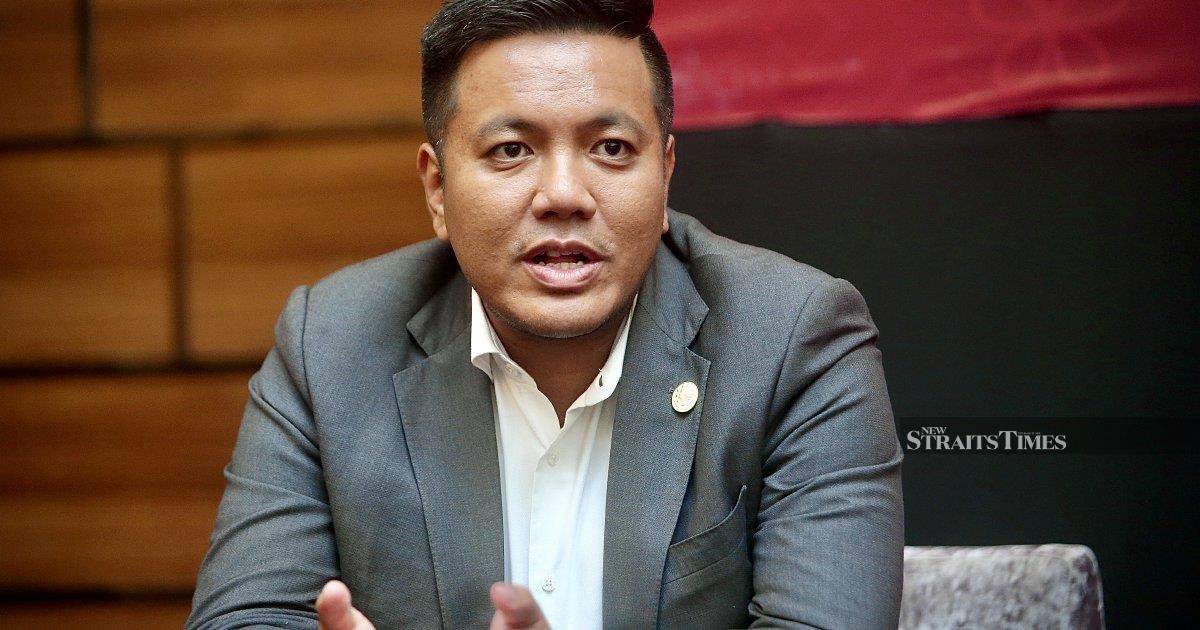
The opposition party Bersatu has escalated pressure on former Tabung Haji chairman Datuk Seri Abdul Azeez Abdul Rahim by demanding he publicly disclose whether the Malaysian Anti-Corruption Commission has initiated contact with him regarding recommendations emerging from the Royal Commission of Inquiry into the troubled pilgrimage savings institution.
The call represents the latest political maneuver in Malaysia's ongoing reckoning with governance failures at Tabung Haji, which has faced mounting scrutiny over financial mismanagement and investment losses that eroded the savings of millions of Muslim pilgrims. The RCI, tasked with investigating the root causes of the fund's difficulties, has already issued its conclusions, and attention now focuses on what enforcement action, if any, will follow.
Bersatu's demand for clarification appears designed to pressure the government into demonstrating concrete action against senior figures who oversaw Tabung Haji during periods when the fund's problems accumulated. The timing of the statement underscores how the Tabung Haji issue has become a politically charged matter, with opposition parties using it to question the ruling coalition's commitment to accountability and institutional reform.
Tabung Haji has long held deep cultural and religious significance in Malaysia as the primary mechanism through which Muslim Malaysians save for the pilgrimage to Mecca. However, years of aggressive investment strategies, questionable portfolio decisions, and inadequate oversight transformed the fund into a cautionary tale about institutional governance failures. Hundreds of thousands of account holders have experienced diminished returns on their savings, generating widespread public frustration.
Abdul Azeez's tenure as chairman coincided with critical periods when investment decisions were made that later proved problematic. The RCI investigation was initiated to determine not only what went wrong financially, but also to establish whether individuals bore personal responsibility for those failures. As the inquiry's findings emerge into the public domain, the logical next step involves law enforcement determining whether evidence exists to support investigations or charges.
The MACC's involvement remains crucial because the institution has constitutional authority to pursue corruption cases involving public officials and those handling state-linked funds. Tabung Haji, despite its religious mission, operates as a statutory body managing public resources, placing it firmly within the MACC's investigative remit. Whether the anti-corruption body has summoned or interviewed Abdul Azeez or other former TH leadership therefore carries significance beyond ordinary corporate governance matters.
Bersatu's public call for clarity suggests the party may believe either that no contact has occurred when it should have, or that contact has happened but remains undisclosed. Either scenario reflects poorly on the government's handling of accountability mechanisms, from the opposition's perspective. The statement functions as both a factual inquiry and an implicit criticism of the ruling administration's follow-through on enforcement.
The episode illustrates how Malaysian political competition now frequently centers on institutional accountability and anti-corruption performance. Opposition parties possess limited direct power but can exert pressure through public statements, parliamentary questions, and media commentary that highlight perceived gaps in government action. Bersatu's intervention keeps the Tabung Haji matter in public view at a moment when other urgent national issues might otherwise command attention.
For Malaysian Muslims who entrust their savings to Tabung Haji, the question of whether officials responsible for the fund's decline face investigation carries real personal significance. Many account holders have experienced financial setbacks as the fund's accumulated losses reduced the value of their pilgrim savings. Public confidence in the institution's recovery depends partly on demonstrable consequences for past mismanagement.
The demand also reflects broader Malaysian concerns about whether high-ranking officials face genuine accountability or whether privilege and connections insulate them from consequences. Previous corporate and financial scandals have generated public skepticism about enforcement patterns, particularly when powerful individuals appear to escape serious consequences for significant failures of stewardship.
Going forward, the government faces pressure to provide transparency about what enforcement actions the MACC has undertaken following the RCI conclusions. Silence or vague statements risk reinforcing perceptions that accountability mechanisms function selectively. Clear public communication about investigation status, while respecting due process and confidentiality requirements, could help rebuild institutional confidence.
The MACC itself operates under public scrutiny regarding its independence and effectiveness. High-profile cases involving former government leaders and their associates have generated debate about whether the commission investigates impartially or responds to political direction. How the MACC handles the Tabung Haji inquiry—and whether it initiates action against senior figures—will contribute to public perception of its credibility.
Ultimately, the Tabung Haji matter represents a critical test of Malaysia's commitment to institutional accountability during a period when governance standards and ethical performance have become increasingly salient in national politics. Whether Bersatu's demand for clarity leads to concrete enforcement actions will indicate how seriously the government treats governance failures within state-linked organizations.

