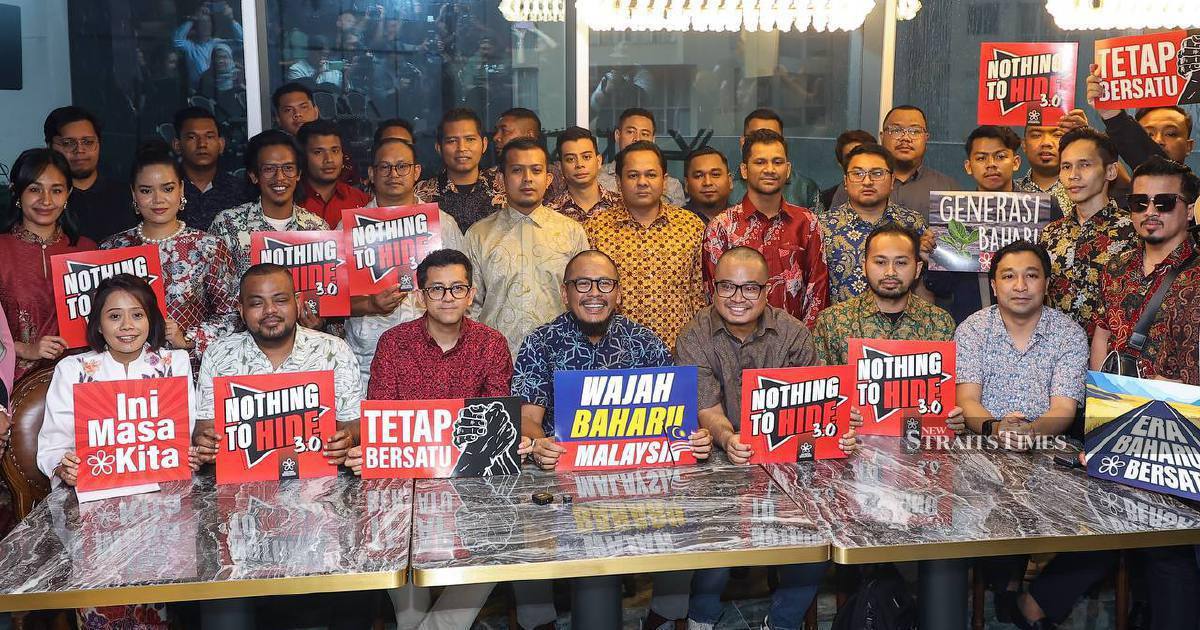
Relations between Pas and Bersatu, the twin pillars of the Perikatan Nasional coalition, show signs of stabilising after weeks of public bickering that had raised questions about the bloc's cohesion ahead of crucial political manoeuvres. Kota Siputeh assemblyman Mohd Ashraf Mustaqim Abdul Munir has struck an optimistic tone about the two parties' capacity to move past their recent disputes, suggesting that the friction—while genuine—reflects the kind of disagreement that can exist within long-term partnerships without necessarily threatening their fundamental commitment to one another.
The assemblyman's characterisation of the situation as resembling a married couple continuing to live together despite arguments offers a striking metaphor for coalition politics in Malaysia, where parties often find themselves bound by electoral mathematics and shared electoral objectives even when policy positions or strategic interests diverge. His comments arrive at a critical juncture for the opposition coalition, which has been positioning itself as an alternative government amid intense competition with the current Anwar Ibrahim administration and the fractured opposition forces that continue to regroup after the 2022 general election.
Tensions between Pas and Bersatu have surfaced repeatedly since their formal alliance within PN, with disagreements emerging over leadership roles, ministerial allocations, and divergent visions for the coalition's future direction. The Islamic party, which controls significant grassroots support particularly in Terengganu and Kelantan, has repeatedly butted heads with Bersatu over questions of party autonomy and decision-making authority within the broader opposition framework. These friction points have occasionally boiled over into public spats that observers have interpreted as harbingers of deeper structural problems within the alliance.
Yet Mohd Ashraf's carefully calibrated optimism suggests that party leadership on both sides recognises the costs of coalition breakdown. For Bersatu, a loss of Pas support would dramatically reduce its electoral viability in several key states, particularly in the northern peninsula where Pas commands substantial voter loyalty among the Malay-Muslim demographic. Conversely, Pas would struggle to expand its influence without a credible coalition partner that can deliver votes in urban and ethnically mixed constituencies where the Islamic party has traditionally underperformed.
The timing of the assemblyman's reassuring statements reflects broader efforts within PN to project unity and readiness for the next electoral cycle. Malaysian political analysts have noted that opposition coalitions historically perform better when they maintain at least a veneer of internal harmony, as fractious alliances tend to depress voter turnout among their support bases and invite defections to rival blocs. The government's legislative majority, while comfortable, remains vulnerable to shifting political tides and unexpected electoral opportunities if the opposition can consolidate itself effectively.
Perikatan Nasional's relationship with other opposition components adds another layer of complexity to these Pas-Bersatu dynamics. The coalition's flirtation with elements of Pakatan Harapan, most notably through discussions about potential cooperation in specific state elections, suggests that the entire opposition landscape remains in flux. Strategic calculations about which parties to align with in which constituencies have become increasingly sophisticated, with leaders weighing the benefits of coalition discipline against opportunities for tactical flexibility.
The Kota Siputeh assemblyman's characterisation of disagreements as situational rather than existential also reflects a maturation in Malaysian political thinking about coalition management. Rather than portraying every public disagreement as evidence of terminal dysfunction, party strategists increasingly frame friction as a normal aspect of multi-party alliances that reflects genuine differences in ideology or interest rather than incompatibility. This discursive shift itself constitutes an important development, as it signals that PN actors have internalised lessons from earlier coalition breakdowns—most notably Pakatan Harapan's implosion in 2020.
Bersatu, as the nominally leading party within PN, bears particular responsibility for maintaining coalition cohesion given its role in attempting to construct an alternative governmental framework. The party's trajectory since its formation in 2016 has been marked by attempts to position itself as a kingmaker within Malaysia's complex opposition landscape. Its willingness to engage in coalition management with Pas, despite documented tensions, underscores the calculus that cooperation remains preferable to isolation for both parties.
Looking forward, the stability of Pas-Bersatu relations will likely hinge on their capacity to negotiate concrete arrangements around seat allocations for the next general election and the distribution of state-level authority where PN controls government. The Perak and Perlis situations, where both parties hold significant representation, have emerged as potential flashpoints where competition for influence could either strengthen cooperation through negotiated power-sharing or exacerbate tensions through winner-take-all positioning. The willingness of leaders like Mohd Ashraf to publicly emphasise harmony over discord suggests at minimum that senior figures on both sides remain committed to managing these contentious issues through internal channels rather than public warfare.
The opposition coalition's broader prospects depend substantially on whether it can translate this rhetorical commitment to unity into sustained collaborative behaviour. Malaysian voters, particularly those contemplating shifting allegiances away from the government, closely monitor opposition coalition stability as an indicator of governmental readiness. A Pas-Bersatu partnership that navigates its disagreements successfully could reinforce broader confidence in PN's capacity to govern, whereas repeated public eruptions of tension would inevitably raise questions about coalition discipline and internal governance standards.

