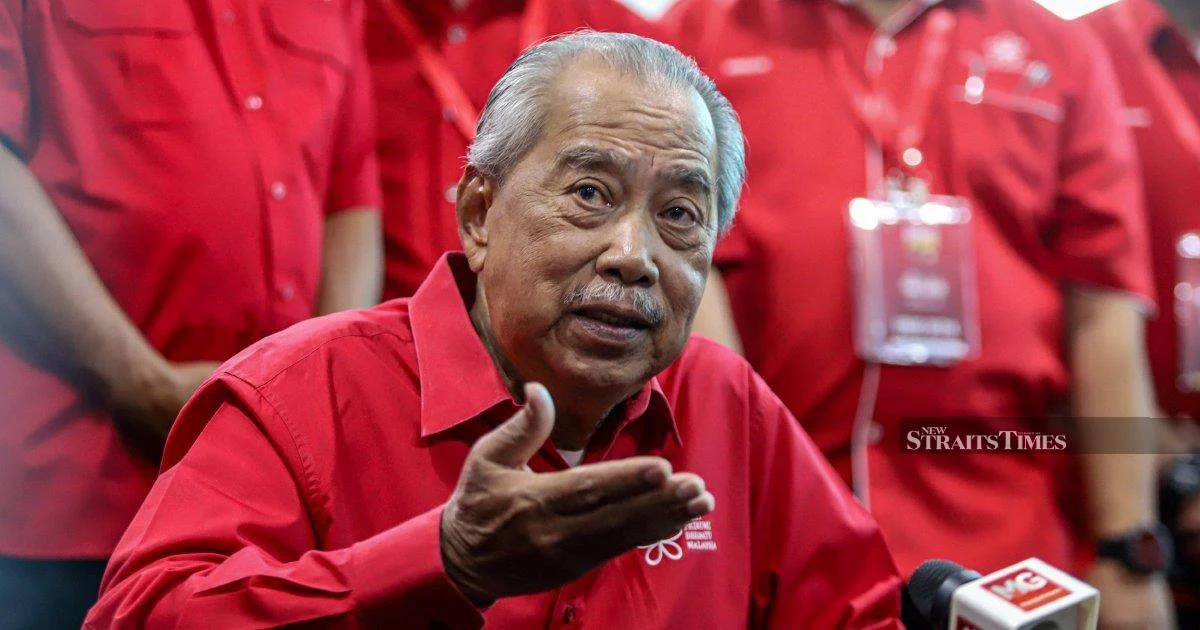
The political friction within Malaysia's opposition coalition deepened on Tuesday as Bersatu publicly rebuked its PN partner Pas for pursuing bilateral negotiations with the ruling Barisan Nasional without the knowledge or participation of other alliance components. The criticism underscores mounting tensions within Perikatan Nasional as the coalition prepares for the upcoming Negri Sembilan state election, exposing fissures that could influence the bloc's electoral strategy and its longer-term viability as a cohesive political force.
Bersatu's complaint centres on what the party views as a breach of coalition protocol. In multi-party alliances like PN, decisions affecting the broader grouping typically require consultation among all significant members before proceeding to negotiations with external partners, particularly with the dominant ruling coalition. Pas's unilateral approach to engaging with BN representatives suggests either a calculation that its interests are better served through independent diplomacy or a fundamental disagreement about PN's strategic direction heading into crucial state contests.
The Negri Sembilan election carries particular significance beyond the state itself. As one of Malaysia's smaller states by population, it nonetheless represents a battleground where all three major political forces—PN, BN, and PKR-led Pakatan Harapan—compete for influence. Control of the state assembly could shift the regional balance of power and provide momentum for whichever coalition performs strongest. For PN, already navigating the challenge of maintaining internal discipline across ideologically diverse parties, a fractured approach to state elections risks squandering competitive advantages.
Pas's rationale for independent talks remains unclear from publicly available statements, but the Islamist party faces distinct incentives that may diverge from Bersatu's position. With strong grassroots organisation particularly in rural areas and among conservative Muslim voters, Pas might perceive itself as capable of negotiating favourable terms independently with BN rather than being bound by coalition decisions. Historically, Pas has demonstrated flexibility in coalition arrangements, having partnered with both BN and opposition groupings at different periods, suggesting the party retains strategic autonomy as a priority.
Bersatu, by contrast, has built its political identity partly on being a cohesive alternative to the fractious landscape of Malaysian opposition politics. The party, which emerged from a UMNO faction and later became central to PN's formation, invested heavily in positioning PN as a more disciplined and unified challenger to both BN and the increasingly strained Pakatan Harapan coalition. Pas's unilateral diplomacy directly undermines this brand positioning and raises questions about whether PN can function as an effective governing alternative if internal coordination proves problematic even during election campaigns.
The timing of Bersatu's public criticism also merits attention. Rather than handling the disagreement quietly through private party channels, Bersatu chose to air concerns openly, which suggests either confidence that public pressure will constrain Pas's actions or a calculation that exposing the rift strengthens Bersatu's hand in subsequent negotiations. This tactic reflects the high stakes at play; behind-the-scenes coalition management has given way to public positioning, indicating genuine concern rather than routine disagreement.
For Malaysian voters and observers, these internal coalition dynamics carry practical implications. When opposition groups present disunity, it typically benefits the incumbent BN government by suggesting that alternative administrations would struggle with internal management. Conversely, if PN can resolve this dispute and present a unified front in Negri Sembilan, the coalition gains credibility as a viable governing option. The Negri Sembilan election thus becomes a test case for whether PN's diverse components can subordinate individual party interests to coalition objectives when it matters most.
The broader context involves PN's uncertain trajectory nationally. After performing strongly in the 2022 general election and becoming a significant parliamentary force, the coalition has struggled to consolidate gains and expand its voter base beyond core supporters. Maintaining internal cohesion becomes especially critical in this consolidation phase; defections or public disagreements could accelerate the narrative that PN represents merely a temporary realignment rather than a durable political restructuring. Negri Sembilan becomes symbolic of whether PN can mature into a disciplined coalition or whether it will remain prey to component parties' individual calculations.
Bersatu's response also reflects the party's strategic position within PN. As the coalition's dominant force numerically and in terms of parliamentary representation, Bersatu has invested in building a reputation for serious alternative governance. Public criticism of coalition partners, when done carefully, allows Bersatu to signal to voters that it takes party discipline and coalition integrity seriously—valuable messaging if the party seeks to position itself as a more responsible political force than BN or the perpetually fractious opposition camps.
Looking ahead, observers will watch whether this dispute escalates further or whether quiet negotiations among PN leadership produce a resolution before campaigning intensifies in Negri Sembilan. The party leaderships possess incentives to prevent public disputes from metastasising, particularly as state elections draw closer. However, the very fact that such disagreements now occur publicly rather than through private channels suggests that PN's internal culture remains unsettled, and that component parties retain significant autonomy in pursuing their individual political strategies even within coalition frameworks.

