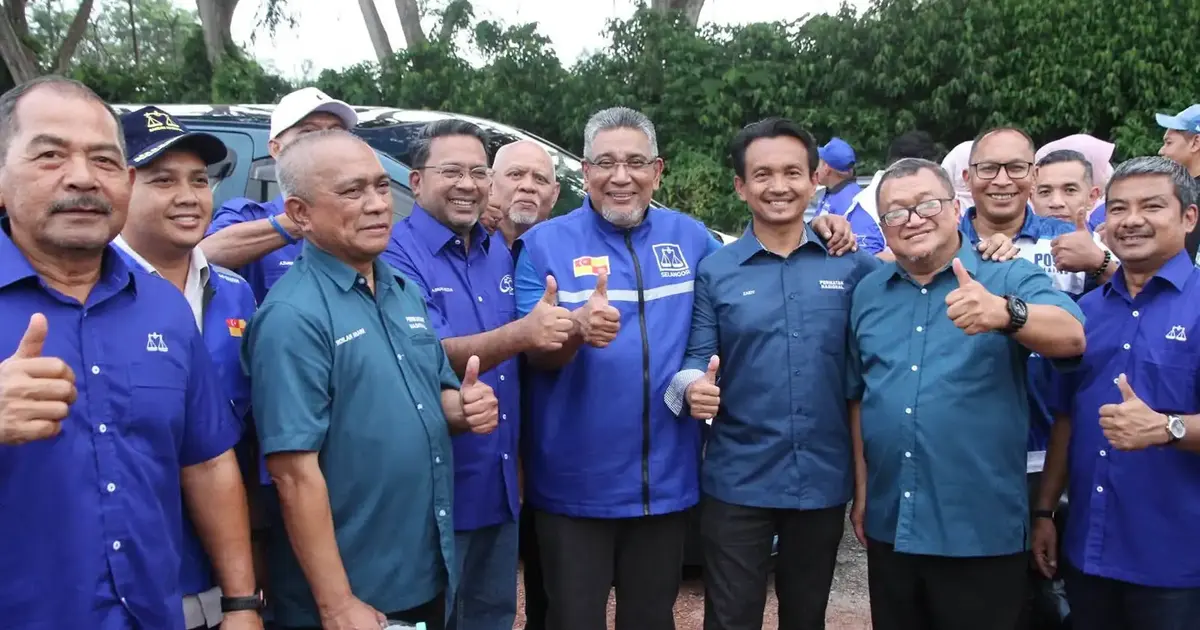
Dr Afif Bahardin, a prominent voice within Bersatu, has thrown down a significant political gauntlet to Umno, contending that the party must make a definitive choice regarding its support for the Selangor state government if it genuinely intends to pursue what it terms a 'revival' of Malay-Muslim politics. The challenge strikes at the heart of Umno's current political positioning, which has left the party straddling multiple coalitions and unable to clearly articulate a unified strategic direction within Malaysian politics.
The Bersatu leader's intervention signals growing impatience within allied circles over what many perceive as Umno's fence-sitting approach to coalition politics. By suggesting that Umno must decisively choose between backing Pakatan Harapan's administration in Selangor or aligning with PAS—historically Umno's rival in contesting the Malay-Muslim electoral base—Afif has articulated a concern that extends beyond mere factional positioning. The statement reflects deeper anxieties about the coherence and credibility of Umno's political strategy during a period when the party has faced sustained challenges to its dominance of Peninsular Malaysian politics.
Selangor, as Malaysia's most economically dynamic and populous state, carries outsized significance in national politics. The state government, currently administered under Pakatan Harapan's stewardship, receives legislative support from various quarters, including certain Umno assemblypersons in different configurations. This arrangement, while pragmatic, has allowed Umno to maintain a working relationship with the opposition-led administration without formally joining the coalition—a position that grants flexibility but invites criticism regarding political principle and strategic clarity.
Bersatu's challenge to Umno must be understood against the backdrop of Malaysia's evolving coalition landscape. Since the 2022 general election, the country has witnessed a gradual realignment of political forces, with traditional boundaries between government and opposition becoming increasingly fluid. Several state governments now operate under arrangements that would have seemed improbable a decade earlier, featuring cross-coalition support and informal agreements. Umno's current position in Selangor exemplifies this trend, yet critics argue such ambiguity undermines institutional stability and voter confidence in the clarity of political choice.
The invocation of Umno's supposed 'revival' efforts—what Afif terms 'MN revival' in reference to political renewal—appears designed to expose what Bersatu views as inconsistency in Umno's stated intentions. If Umno sincerely wishes to rebuild its political standing and redefine its role in Malaysian governance, the argument goes, it cannot simultaneously maintain working arrangements with ideological opponents while claiming to champion a distinctive political vision for Malay-Muslim constituents. This framing suggests that Umno faces a credibility test, one that extends beyond mere parliamentary arithmetic to questions of political authenticity.
PAS, which maintains formal governance arrangements in states it controls and leads, presents a contrasting model to Umno's current approach. The Islamist party has demonstrated willingness to maintain clear ideological and organisational boundaries, even when such clarity constrains its electoral options or governing flexibility. By contrast, Umno's traditional emphasis on pragmatism and accommodation—qualities that historically served the party well—now risks appearing as political vacillation to critics both within and outside the party.
The Selangor situation exemplifies broader tensions affecting Malaysian politics. The state administration requires legislative majorities to function effectively, yet genuine ideological divisions persist between the Pakatan Harapan coalition and its traditional opponents. Umno's willingness to support government business in Selangor, whether through formal abstentions or active votes, reflects recognition that blanket opposition can harm state governance and constituent welfare. However, this pragmatism, while defensible from administrative perspectives, complicates the party's broader political messaging and strategy.
For Malaysian political observers, Afif's challenge underscores ongoing uncertainties about the country's political trajectory. Will Malaysia's politics gradually stabilise into clearer coalition blocs with consistent ideological positioning, or will fluidity and cross-coalition arrangements become institutionalised features of governance? The resolution of such questions carries implications for political parties, voter expectations, and governmental legitimacy. Umno's response to this challenge, whether explicit or through continued ambiguity, will signal the direction of these broader developments.
The timing of this intervention also matters. Coming during a period when Umno continues internal discussions about its political positioning and coalition preferences, Bersatu's challenge may be designed to influence those deliberations or expose divisions within Umno regarding future direction. Observers note that Umno contains multiple factions with differing views on coalition strategy, and external pressure from allied parties may either consolidate or fragment internal consensus around specific positions.
Looking forward, the challenge raises questions about whether Malaysia's major political parties can achieve clarity regarding their fundamental strategic commitments. For voters in Selangor and throughout the country, such clarity matters considerably, as it affects their ability to make informed electoral choices and hold political leaders accountable. Whether Umno responds by clarifying its position or maintains its current pragmatic ambiguity remains a significant variable in Malaysia's continuing political evolution and coalition dynamics.

