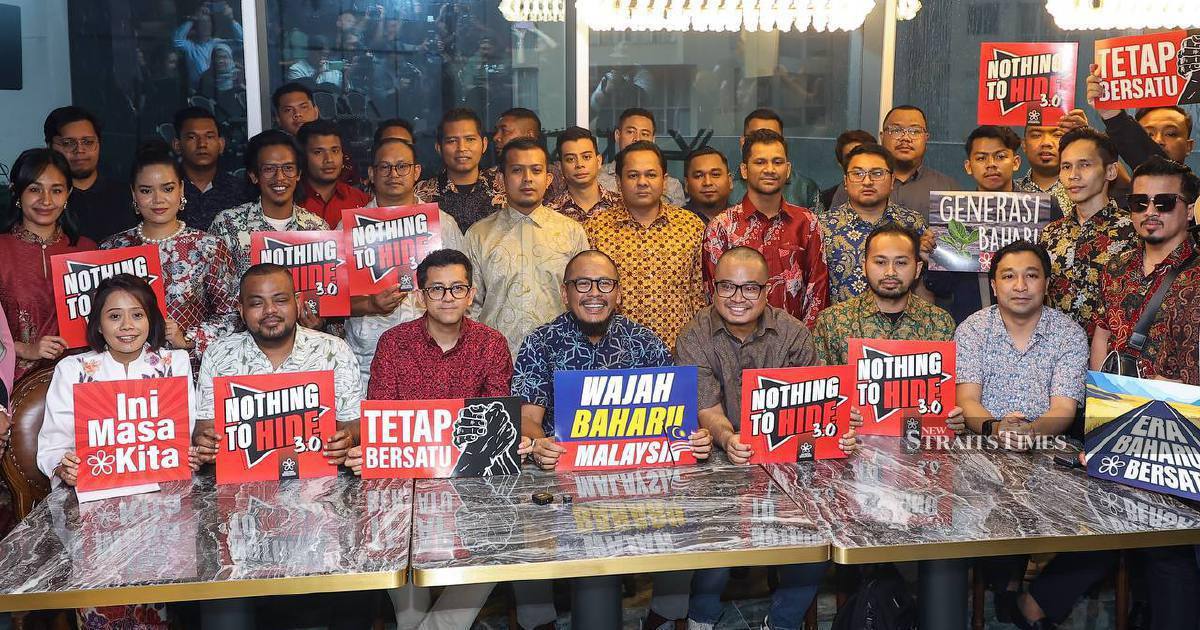
Kota Siputeh assemblyman Mohd Ashraf Mustaqim Abdul Munir believes the rift between Bersatu and PAS, two cornerstones of the Perikatan Nasional coalition, remains reparable despite mounting tensions that have threatened to destabilise the alliance. Speaking from Kuala Lumpur, the Bersatu representative employed a domestic metaphor to characterise the relationship, suggesting that temporary conflicts between coalition partners resemble the inevitable friction that arises within long-standing marriages, where underlying bonds can withstand periodic discord.
The optimism from Ashraf's camp contrasts with recent public displays of friction between the Islamist party and the Bersatu faction, signalling potential divisions within PN that observers have closely monitored. The coalition, which swept to power partly on the strength of its unified front against Pakatan Harapan, has faced scrutiny over whether competing agendas and leadership ambitions might fracture its electoral base. For Malaysian political watchers, the health of PN's internal dynamics carries implications for parliamentary stability and the trajectory of government policies affecting the peninsula.
The Perikatan Nasional framework has served as the foundation for Malaysia's federal administration since its formation, with both Bersatu and PAS maintaining significant parliamentary representation and state-level control. However, the coalition's various components have occasionally pursued divergent strategies on issues ranging from state governance to religious policy, creating friction points that require careful navigation by senior leaders. Ashraf's measured commentary suggests that Bersatu's leadership recognises the strategic necessity of maintaining coalition cohesion, even as individual parties pursue their own political interests.
Recent months have witnessed notable disagreements between the two parties on matters of governance and resource allocation, with some observers noting that competition for influence and patronage networks has occasionally overshadowed their shared ideological positioning. The tensions have manifested in subtle public statements rather than outright confrontation, reflecting the political calculation that overt coalition warfare might damage both parties' electoral standing and invite opportunistic intervention from opposition forces. Ashraf's framing of current difficulties as temporary and surmountable suggests Bersatu's desire to reset the narrative around intra-coalition relations.
The assemblyman's comments emerge within a broader context of Malaysian politics characterised by fluid alliances and strategic realignments. Since the 2018 general election, the nation has witnessed multiple shifts in coalition formations, with parties frequently adjusting partnerships based on electoral mathematics and policy alignment. PAS and Bersatu have maintained their PN partnership despite occasional public quarrels, suggesting that mutual political interests remain sufficiently strong to outweigh centrifugal forces. For regional observers, the Malaysian coalition's durability or fragility offers lessons about the stability of multi-party governing arrangements in Southeast Asia's democracies.
The religious and ideological dimensions of PAS, as an explicitly Islamist political force, occasionally create tension with Bersatu's more populist-nationalist orientation, even as both parties share commitments to Malay-Muslim interests and conservative social policies. This fundamental difference in party DNA means that disagreements over governance priorities or resource distribution cannot simply be resolved through appeals to shared identity. Instead, senior leadership must actively invest in relationship maintenance, as Ashraf's statements implicitly acknowledge by suggesting that repair work remains both necessary and feasible.
Geographically, PN's control spans significant portions of Malaysia's peninsula and territories on Borneo, giving the coalition considerable influence over state-level development agendas and local patronage networks. Disputes between Bersatu and PAS over which party should assume prominent roles in particular states or sectors have occasionally surfaced in local media reports, highlighting how national-level coalition tensions translate into competition for concrete political prizes. Ashraf's emphasis on reconciliation potential thus carries practical significance for voters across multiple states who depend on stable, unified governance from their PN-led administrations.
The assemblyman's confidence in relationship repair also reflects calculations about the costs of coalition breakdown. Should PN fracture into separate Bersatu and PAS factions, both parties would face significantly diminished bargaining power against Pakatan Harapan and other opposition forces at the next general election. The arithmetic of Malaysian parliamentary politics remains unforgiving to divided anti-establishment coalitions, incentivising even reluctant partners to find grounds for continued cooperation. This structural reality likely informs Ashraf's measured optimism regarding the durability of PN arrangements.
Within Southeast Asia's broader political landscape, Malaysia's coalition dynamics carry implications for regional stability and the projection of Malaysian interests abroad. A politically fragmented federal government hamstrung by internal coalition disputes tends to exercise reduced influence on regional issues and international negotiations. Conversely, a unified, stable coalition can pursue coherent foreign policy objectives and maintain strong negotiating positions with neighbouring countries. Though Ashraf's comments focus narrowly on intra-coalition repair, the broader political significance extends to Malaysia's capacity for effective governance and diplomatic engagement.
Moving forward, the test of Bersatu and PAS's commitment to coalition unity will emerge through concrete actions rather than mere rhetoric from party representatives. Actions including power-sharing agreements, joint policy initiatives, and unified messaging on contentious issues will demonstrate whether the "married couple" metaphor translates into sustainable partnership or merely postpones inevitable reckoning. For Malaysian voters assessing the viability of the current governing arrangement, such signals warrant careful observation as the nation approaches its next electoral cycle and contemplates its political future.

