The modern professional's daily routine—answering emails beside a sunlit window, then pivoting to afternoon screen time—exposes skin to cumulative damage that most people fail to recognise. Whether navigating a Malaysian monsoon morning or spending eight hours under fluorescent office lighting, our skin encounters ageing factors regardless of weather conditions or indoor versus outdoor location. This invisible assault on skin cells represents one of the most underestimated threats to long-term skin health in contemporary urban life.
The science is sobering. Approximately 80 per cent of visible skin ageing—the fine lines, deepened wrinkles, hyperpigmentation, and dark spots that accumulate over decades—stems from daily, incidental ultraviolet exposure rather than deliberate sun-bathing. This statistic fundamentally challenges the common assumption that staying indoors provides adequate protection. Malaysian workers, many of whom commute through intense tropical sunlight before settling into air-conditioned offices, face compounded exposure patterns that blur the traditional distinction between sun-exposed and sheltered populations. The cumulative effect of these repeated, seemingly minor exposures across a lifetime proves far more consequential than occasional beach holidays.
Beyond ultraviolet radiation, a growing body of evidence points to high-energy visible light—commonly known as blue light—as a significant contributor to cellular damage. Estimates suggest that approximately 25 per cent of oxidative damage to skin cells results from this specific light spectrum, primarily emitted by digital devices. For Southeast Asians working extensively with computers and smartphones, blue light represents an occupational hazard comparable to traditional sun exposure. This discovery has particular relevance in Malaysia's rapidly digitalising economy, where professionals, students, and entrepreneurs spend prolonged periods before screens. The implications extend beyond vanity; oxidative cellular damage accumulates silently, accelerating skin deterioration that becomes visually apparent only years later.
Dermatological consensus now emphasises that skin protection cannot be relegated to beach days or tropical holidays. Dr Syairah Nadia Mohamad, chief executive officer of Radiant Clinique, underscores a critical insight: skin cells do not differentiate between sunny days and indoor workdays. Cumulative daily exposure—whether from a 15-minute walk to collect lunch, a commute through traffic, or hours of indirect window light—constitutes the primary driver of photoaging. This shifts the paradigm from viewing sun protection as an occasional necessity to recognising it as an essential daily habit, comparable to brushing teeth or applying moisturiser. For Malaysian consumers accustomed to thinking about sunscreen primarily during peak summer months or beach season, this represents a significant behavioural shift.
Research findings reveal that 80 per cent of lifetime sun exposure accumulates through ordinary daily activities rather than intentional outdoor recreation. This statistic carries particular weight for developing nations like Malaysia, where outdoor activities pervade daily life—from open-air markets to traffic-heavy commutes—yet formal sun protection practices lag behind dermatological recommendations. The tropical climate amplifies exposure levels, while cultural attitudes toward sunscreen adoption remain inconsistent. Understanding that protection is necessary every single day, across all seasons and weather conditions, provides the motivation for sustained behaviour change.
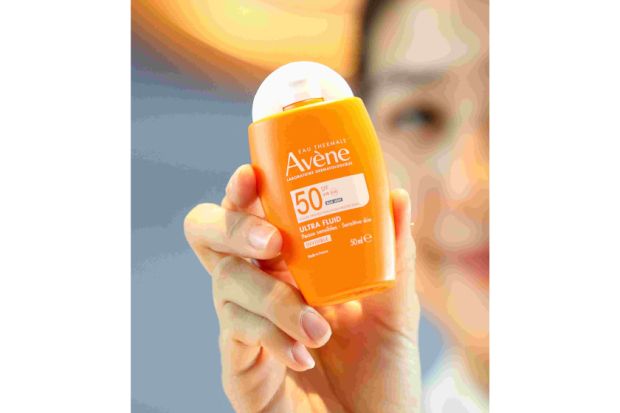
Entering this evolving landscape, Eau Thermale Avène unveiled its Ultra Fluid Range in July 2026, representing a technological and formulation response to modern sun protection challenges. The launch, which featured Pierre Fabre Singapore Pte Ltd Asia export business director Cristiana Irimescu, positioned the product line as addressing a longstanding consumer dilemma: the choice between skin health and cosmetic elegance. Traditional high-SPF sunscreens often left visible white residue, felt thick and occlusive on the skin, or interfered with makeup application—barriers that discouraged consistent daily use. This product gap had practical consequences, as consumers might skip sunscreen application rather than tolerate aesthetic compromises.
The Ultra Fluid Range comprises four distinct formulations designed to address different skin types and requirements. At the centre of this innovation sits the patented TriAsorB sun filter, representing an advanced broad-spectrum protection system. This filter shields skin against both UVA and UVB rays while extending coverage to high-energy visible blue light—a comprehensive approach to the multiple damage mechanisms operating simultaneously. For Malaysian consumers navigating both outdoor tropical sun and indoor digital exposure, such comprehensive protection addresses the full spectrum of contemporary skin threats. The formulation's clean composition—conspicuously absent of silicones, alcohols, and controversial synthetic chemical filters—appeals to growing consumer preferences for gentler, more sustainable personal care products.
The texture profile proves central to this product's potential market success. Designed to be twice as light as standard sunscreen formulations, the ultra-fluid consistency enables one-second absorption without the characteristic heavy, sticky, or chalky residue that conventional high-SPF products leave behind. This seemingly minor improvement addresses a genuine barrier to consistent sun protection use. Malaysian consumers, particularly those working in tropical heat, often avoid heavier sunscreens due to discomfort and the cosmetic interference they cause throughout the day. By eliminating these tangible drawbacks, the formulation removes practical excuses for non-compliance.
The significance of offering four product variants cannot be understated. Skin type diversity—ranging from oily and acne-prone to sensitive and mature—requires tailored approaches rather than one-size-fits-all solutions. This segmented strategy acknowledges that effective sun protection becomes a sustainable habit only when the product aligns with individual skin needs and daily routines. For Malaysian consumers with distinct tropical skin concerns, this flexibility proves valuable. Whether managing humidity-induced breakouts, post-inflammatory hyperpigmentation from previous acne, or increased sensitivity from the climate and pollution, consumers can select a variant that complements rather than complicates their existing skincare practice.
Integrating sun protection into daily routines requires products that feel effortless rather than burdensome. The intersection of efficacy, sensorial appeal, and practical convenience determines whether consumers maintain protection consistently or abandon it seasonally. Eau Thermale Avène's approach—combining lightweight texture with clean formulation principles—attempts to remove the friction that has historically limited sunscreen adoption. For Malaysian professionals juggling multiple responsibilities, a sunscreen that absorbs instantly, leaves no residue, and works seamlessly under makeup or outdoor activity potentially shifts sun protection from a perceived chore into a natural daily habit.
The implications of this technological advancement extend beyond individual cosmetic concerns into public health territory. Photoaging represents a cumulative process, with each day's unprotected exposure compounding previous damage. While reversing established photoaging requires professional interventions—chemical peels, laser treatments, or prescription retinoids—prevention through consistent sun protection offers a dramatically simpler and more accessible approach. For Malaysia's growing middle class with increasing dermatological awareness, accessible, user-friendly protection products facilitate proactive skin health management rather than reactive remediation.
Looking forward, the market for daily sun protection products in Southeast Asia appears positioned for significant growth. Shifting demographics—younger, digitally native consumers increasingly aware of skin health—combined with improving product technology that eliminates traditional barriers to use suggest that consistent sun protection habits will become more normalised across the region. Malaysian consumers, confronted with compounding environmental stressors including tropical sun intensity and escalating screen time, represent a natural market for innovations that seamlessly integrate protection into existing daily routines. The Ultra Fluid Range exemplifies how product development responding to real consumer barriers—heavy texture, visible residue, incompatibility with makeup—can facilitate behavioural change at scale.

