Changsha may not occupy the same prominence in international travel guides as Beijing, Shanghai or Chengdu, yet Hunan Province's capital presents a distinctive appeal that warrants serious consideration from Malaysian explorers seeking authentic Chinese experiences away from the most saturated tourist routes. The city successfully balances archaeological significance with contemporary urban vitality, offering visitors a window into both classical Chinese civilisation and modern provincial life. Importantly for Malaysian travellers, the routing has become considerably more convenient in recent years, with Malaysia Airlines, AirAsia and Batik Air now operating direct services from Kuala Lumpur, eliminating the need for exhausting connections that previously deterred casual visitors.
The logical entry point into Changsha's cultural landscape remains the Hunan Museum, an institution housing over 540,000 artefacts that collectively chronicle the region's multifaceted heritage spanning centuries. The museum's international reputation rests principally upon its extraordinary assemblage derived from the Mawangdui Han Tombs, an archaeological treasure unearthed during the early 1970s that fundamentally altered scholarly understanding of Western Han Dynasty material culture. These burial sites belonged to the family of Li Cang, who served as chancellor of the Changsha Kingdom during this formative historical period. The excavation yielded approximately 3,000 relics of remarkable preservation quality, encompassing elaborately woven silk textiles, painted manuscripts and documentary records that provide unparalleled insight into daily life two millennia ago. The centrepiece of this collection is undoubtedly Lady Dai, the mummified remains of Li Cang's wife, whose body survived in an astonishing state of anatomical completeness—a condition that has earned this discovery recognition among the world's most consequential archaeological finds. Beyond these celebrated Han artefacts, the museum's exhibitions encompass porcelain, paintings and calligraphy spanning multiple historical dynasties, creating a comprehensive visual narrative of Chinese aesthetic development.
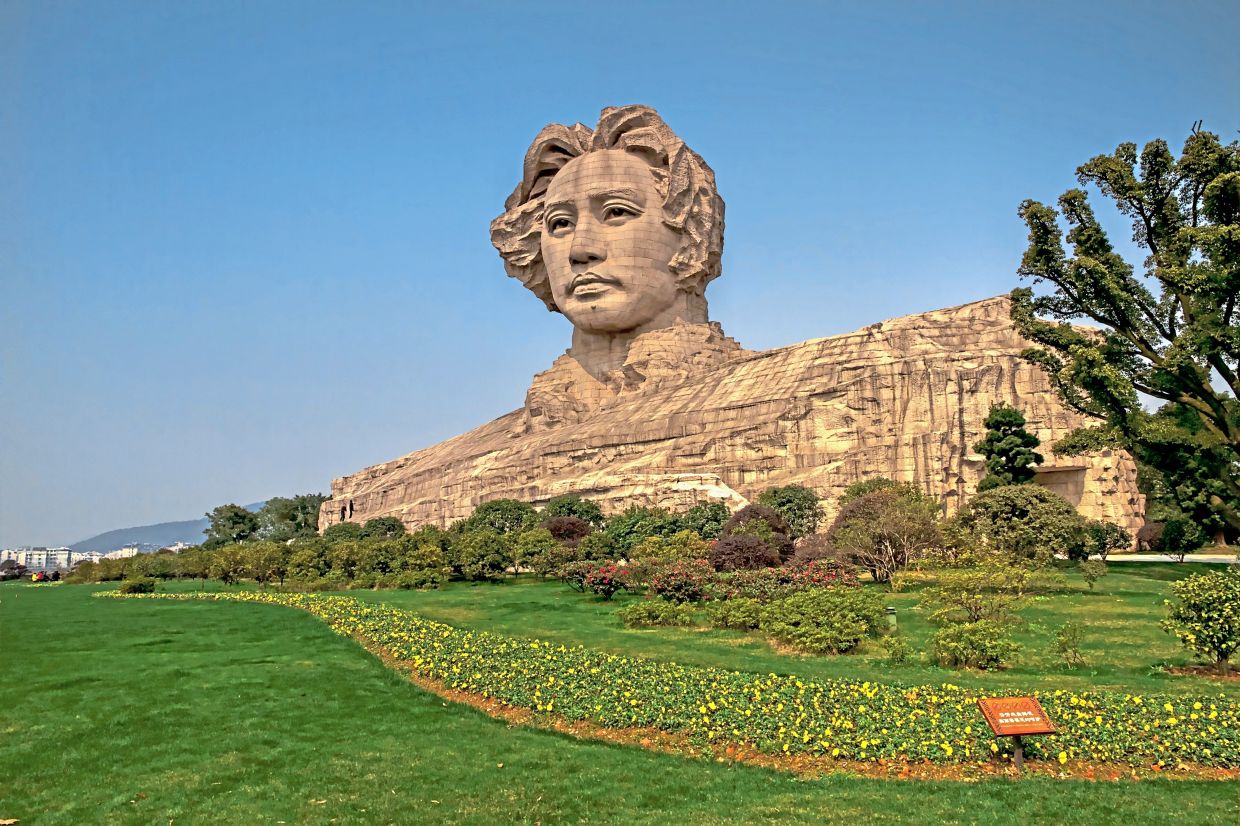
Orange Isle, known locally as Juzizhou Island, stretches through the Xiang River's middle course and has emerged as among Changsha's most frequented recreational destinations, appealing equally to domestic visitors and international tourists. While the island's name derives from historical citrus cultivation that once dominated its landscape, contemporary Orange Isle functions primarily as an expansive urban park where both locals and visitors engage in leisurely walking, cycling, picnicking and riverside appreciation. The island's most striking visual feature is an imposing stone sculpture depicting a youthful Mao Zedong, a monument commemorating the transformative years he spent in Changsha as a student and young political organiser, when foundational ideological convictions began crystallising. The island's infrastructure encompasses meticulously maintained landscaped gardens, designated walking paths and exhibition facilities, while the evening hours transform the surroundings into an illuminated spectacle as the city's lights reflect across the water, creating an atmospheric environment quite distinct from daytime experience.
Approximately fifty minutes' travel from Orange Isle, Jinggang Ancient Town emerges as a temporal portal to commercial vitality spanning more than ten centuries. Strategically positioned along the Xiang River's banks, this settlement achieved prosperity as a bustling mercantile hub where tea, silk and salt transited through warehouses and markets, generating considerable wealth during its commercial heyday. The town has retained substantial portions of its original architectural fabric, with vernacular courtyard residences, functioning temples, traditional teahouses and modest commercial establishments still occupying the cobblestone thoroughfares. Wandering through these streets provides a contemplative counterpoint to contemporary urban energy, offering visitors opportunity for unhurried exploration and immersion in historical atmosphere that feels considerably more authentic than many heritage sites that have been extensively reconstructed for tourism consumption.
Taiping Street represents Changsha's oldest commercial artery and functions simultaneously as an architectural exhibition and culinary destination showcasing genuine Hunan provincial cuisine. The street's various establishments offer adventurous diners the opportunity to sample regional specialities including fermented tofu preparations, spiced freshwater crayfish and sweet oil-fried cakes that constitute the foundation of local gastronomic tradition. For visitors whose palates require more conservative options, the street accommodates numerous conventional cafes and restaurants providing straightforward meals throughout operating hours. Beyond dining opportunities, Taiping Street serves as a repository for regional handicrafts, artisanal products and locally produced tea varieties, making it an appropriate venue for acquiring thoughtfully selected souvenirs that authentically reflect Changsha's material culture.
Du Fu Pavilion stands prominently upon the Xiang River's western banks as a memorial to one of Chinese literature's most venerated figures, the Tang Dynasty poet Du Fu, whose final years encompassed residence within Hunan Province. The structure itself exemplifies traditional architectural principles through its multi-storey design featuring refined wooden halls, elaborately curved rooflines and meticulously executed carved embellishments. The pavilion's interior exhibition documents the poet's biographical trajectory and displays selections from his extensive literary corpus, allowing visitors to engage with classical poetry within its most appropriate physical context. The upper storeys provide panoramic vantages encompassing the Xiang River's course, the distinctive silhouette of Orange Isle and Changsha's expanding urban skyline, creating memorable photographic opportunities and contemplative viewing positions.
Yuelu Mountain offers urban-proximate access to forested mountainous terrain that provides recreational respite from intensive city exploration. The ascent commences at Yuelu Academy, one of four supremely significant ancient educational institutions surviving within China's contemporary landscape. Established over a thousand years ago, this academy has maintained exceptional preservation of its original structures and intellectual heritage, and currently functions as a component of Hunan University's institutional framework. The walking trails ascending the mountain pass through diverse forest ecosystems featuring maple and pine species, with seasonal variations dramatically altering the visual experience—autumnal months transform the landscape into spectacular chromatic displays as maple foliage shifts through vivid red and orange gradations. Aiwan Pavilion, positioned at a particularly scenic juncture, has become among the most photographed locations within the mountain ecosystem, attracting visitors seeking to capture the convergence of architectural heritage and natural scenery that characterises Yuelu Mountain's distinctive aesthetic appeal.

