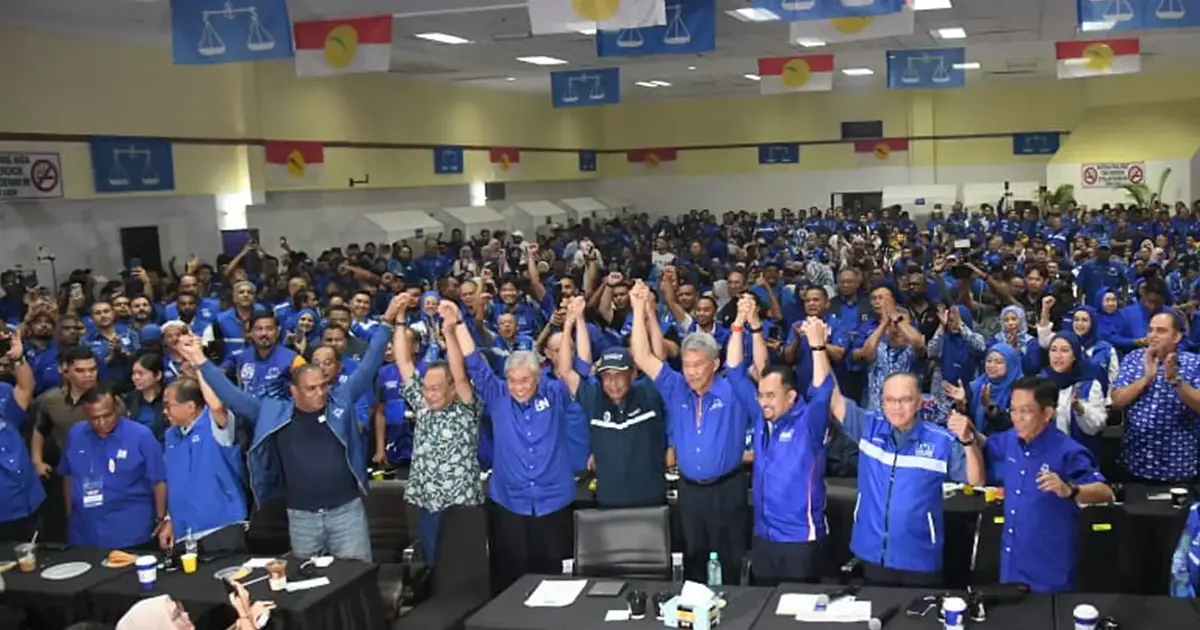
Wan Fayhsal has warned that Malaysia could experience a dramatic political realignment in the next general election, with voters potentially swinging decisively towards the combined Barisan Nasional and Perikatan Nasional alliance. The information chief of Wawasan, citing what he characterises as a steady deterioration in public confidence towards the incumbent Pakatan Harapan government, painted a picture of electoral momentum building against the ruling coalition as it faces the eventual call for GE16.
The prediction reflects intensifying debate within Malaysian political circles about voter sentiment and the government's popularity trajectory. While election timelines remain speculative, the assertion highlights genuine concerns within opposition ranks about shifting electoral dynamics and the potential for significant seat redistribution between competing coalitions. Such projections have become increasingly common as political actors position themselves ahead of electoral contests that could fundamentally reshape Parliament's composition.
Decline in voter confidence towards the Pakatan Harapan government appears multifaceted, spanning concerns about economic management, cost-of-living pressures, and governance challenges that have dominated public discourse throughout the coalition's tenure. These grievances, if broadly shared across the electorate, could translate into tangible electoral consequences. Malaysian voters have historically demonstrated willingness to deliver decisive verdicts on incumbent administrations, particularly when economic anxieties become acute and public trust erodes across multiple policy domains.
The Barisan Nasional-Perikatan Nasional alliance configuration itself represents a significant shift in Malaysia's opposition landscape. This combination brings together Malaysia's historically dominant political machine with a newer formation that has gained substantial traction in recent electoral cycles, particularly in certain regions and among specific demographic groups. The strategic partnership suggests opposition actors have calculated that coordinated campaigns could prove more effective than fragmented competition across multiple political franchises.
For Malaysian observers and regional analysts tracking the country's political evolution, such statements warrant careful consideration of underlying realities versus partisan rhetoric. Electoral predictions made by political actors invariably carry inherent bias, yet they also often reflect genuine internal assessments of organisational strength and voter sentiment as perceived through party structures and grassroots networks. The frequency and confidence with which opposition figures voice such predictions may itself constitute data about their perceived competitive positioning.
The economic context underlying these political calculations deserves particular attention. Malaysia has confronted persistent inflation, fluctuating currency values, and questions about fiscal sustainability that have directly affected household purchasing power and business confidence. Governments facing such macroeconomic headwinds typically experience electoral vulnerability, particularly if opposition parties successfully frame alternative policy approaches as credible and beneficial. The Pakatan Harapan administration's handling of economic challenges thus becomes central to understanding potential electoral outcomes.
Regional considerations add another analytical dimension to Malaysian electoral dynamics. Southeast Asian politics increasingly features interconnected challenges around governance legitimacy, economic management, and anti-corruption sentiment. Malaysian voters' judgments about their government often reflect comparative assessments of regional peers and international standards regarding transparency and institutional performance. These broader regional currents can amplify or dampen domestic political narratives about incumbent performance.
The Wawasan movement itself occupies an interesting space within the broader opposition ecosystem, having emerged from reformist impulses while seeking to build broader coalitions. Its information chief's pronouncements thus carry significance beyond merely partisan positioning, potentially indicating how newer political formations perceive their role within Malaysia's evolving party system. The movement's willingness to articulate confident predictions about electoral outcomes suggests confidence in its positioning within prospective opposition arrangements.
For Southeast Asian democracies more broadly, Malaysian electoral dynamics matter because they often preview patterns appearing elsewhere in the region. Voter dissatisfaction with incumbent governments, coalition-building strategies, and the mechanics of electoral competition in Malaysia frequently find parallels across Southeast Asia. The precise mechanisms through which Malaysian voters articulate preferences about governance quality, economic management, and institutional trustworthiness therefore interest observers tracking democratic practice throughout the region.
The timeframe for GE16 remains fluid, with speculation ranging across multiple years depending on various constitutional and political factors. However, the accumulation of opposition predictions about potential electoral shifts suggests that political actors across the spectrum have begun serious preparation for competitive contests. This intensifying political mobilisation, regardless of when elections occur, will likely shape Malaysian public discourse around governance priorities and policy alternatives.
As Malaysia approaches an inevitable electoral contest, predictions of transformative political outcomes from opposition figures will continue proliferating. Whether such confidence reflects genuine shifts in voter sentiment or represents aspirational positioning by political actors seeking to energise supporters remains a question for electoral processes themselves to definitively answer. The emphasis by opposition voices on declining government popularity, however, clearly signals where their strategic focus lies and what vulnerabilities they perceive in the incumbent administration's electoral prospects.

