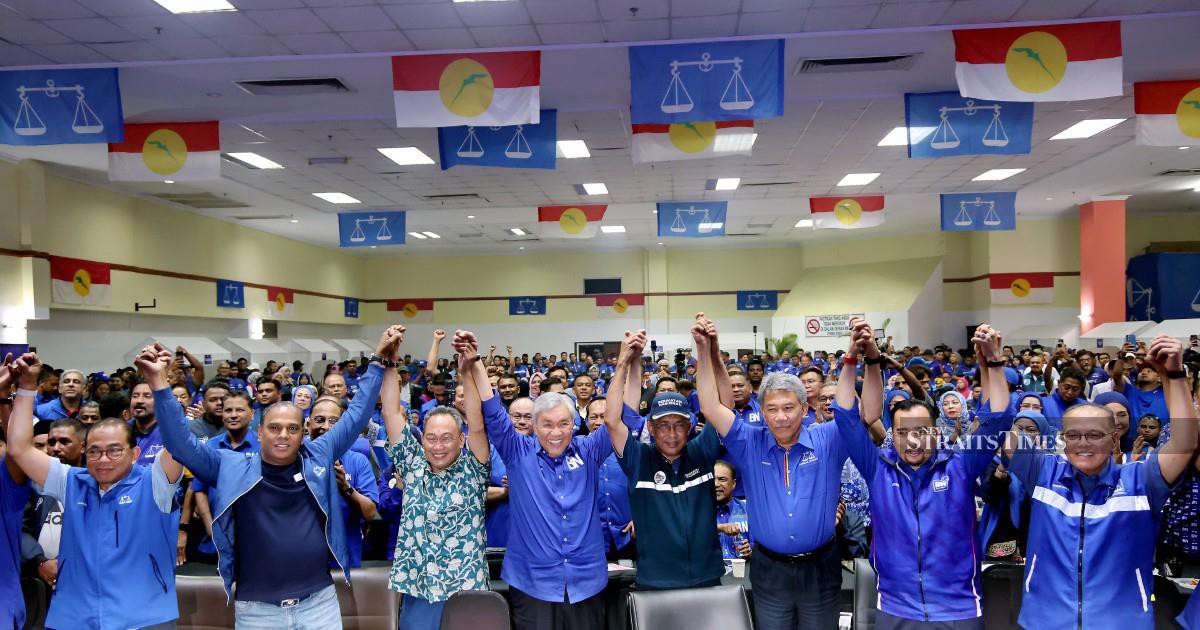
The Barisan Nasional and Perikatan Nasional coalition has claimed a comprehensive sweep of all Malay-majority constituencies in the 16th Negri Sembilan state election, a result that underscores the continued resilience of the traditional ruling alliance in Malaysia's heartland. Vote counting commenced following the end of polling at 6pm in Seremban, with results trickling in as election officials processed ballot papers from across the state's electoral districts.
The assertion of a clean sweep in Malay-majority seats carries considerable weight for the BN-PN partnership, signalling the coalition's sustained ability to mobilise support among this critical demographic segment. The outcome reflects broader patterns observed in recent Malaysian electoral contests, where Malay-Muslim voters have largely gravitated towards established institutions and coalitions perceived as custodians of Bumiputera interests and Islamic governance. This performance is particularly noteworthy given the fragmentation of the political landscape at both national and state levels over the past five years.
Negri Sembilan has traditionally served as a bellwether for peninsular politics, with electoral outcomes in the state often foreshadowing broader trends. The state's mixed demographic composition—featuring significant Malay-majority, Chinese-majority, and mixed constituencies—has historically required coalitions to achieve geographically balanced victories. The reported dominance of BN-PN in Malay-majority areas suggests a consolidated support base among this voter cohort, potentially reflecting satisfaction with governance or anxieties about alternatives put forth by opposition forces.
The election itself represents a significant political moment for Negri Sembilan, with voters deciding the composition of the state assembly that governs a state whose economy historically relied on tin mining and agriculture but has increasingly diversified into manufacturing and services. The performance of the BN-PN coalition across Malay-majority constituencies may influence the coalition's confidence in pursuing particular policy directions at the state level, from developmental priorities to cultural and religious matters that resonate with core constituents.
Asyraf Wajdi Dusuki's role in publicising the BN-PN performance highlights the coalition's strategic communication approach, with designated spokespersons delivering positive narratives as results emerge. This approach is standard practice during election nights, when coalition leaders seek to shape public perception of outcomes before final tallies are confirmed. The timing and framing of such announcements can influence media coverage and public interpretation of electoral results.
From a regional perspective, the Negri Sembilan election provides insight into Malaysian political dynamics at a critical juncture. The state contest occurs within a broader context of coalition-building at the federal level, where BN and PN have maintained a working relationship through the Perikatan Rakyat framework. Strong performance in state elections strengthens the negotiating position of both coalitions ahead of potential federal realignments or the next general election, expected by 2025.
The claim of sweeping Malay-majority seats raises questions about opposition performance in mixed and non-Malay-majority constituencies, where other parties including Pakatan Harapan may have mounted competitive challenges. State election results typically show more variability across demographic lines than federal contests, with different coalitions performing with varying strength depending on local factors, incumbent strength, and candidate quality. A comprehensive picture of the election's significance will only emerge once final results are officially announced.
Voter turnout and participation rates in the 16th Negri Sembilan election will also merit attention, as these figures can indicate levels of public engagement with state-level politics. In recent years, state elections in Malaysia have sometimes experienced lower turnout than federal elections, reflecting perceptions that state contests receive less attention or that voter enthusiasm for particular coalitions waxes and wanes between election cycles.
The economic implications of the election deserve consideration as well. A BN-PN dominated state assembly may pursue developmental strategies aligned with these coalitions' policy preferences, potentially affecting business sentiment, investment decisions, and public spending priorities in Negri Sembilan. The state's ongoing diversification and infrastructure development initiatives could be shaped by the political complexion of the newly elected government and its coalitional composition.

