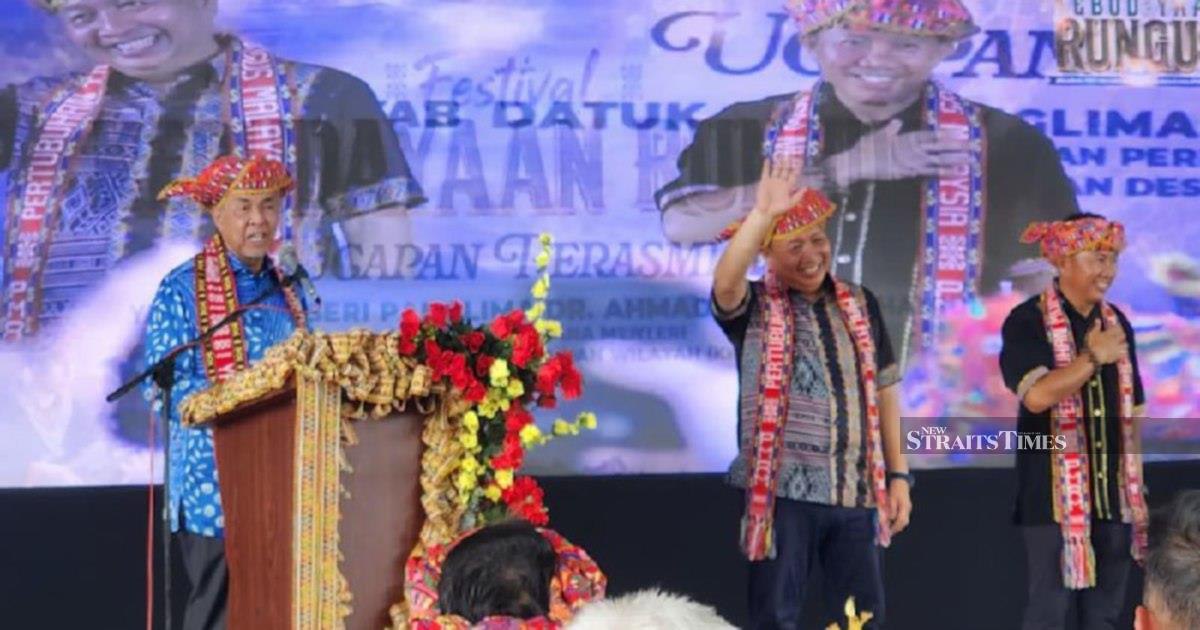
Barisan Nasional has signalled continued willingness to work flexibly on electoral arrangements for the Melaka state election, according to remarks by coalition chairman Datuk Seri Ahmad Zahid Hamidi. Speaking during an engagement in Kudat, Zahid indicated that seat allocation discussions remain fluid, with the possibility of swapping constituencies between component parties still on the table as negotiations develop.
The comments reflect BN's pragmatic approach to managing internal party dynamics across multiple elections. Coalition politics in Malaysia has long required careful negotiation among member parties to balance competing interests, ensure equitable distribution of winnable seats, and maintain overall electoral viability. The Melaka state assembly comprises 36 seats, making seat selection a crucial factor in determining which parties gain leverage within the state government and how cabinet positions might eventually be distributed.
Zahid's openness to seat exchanges suggests that BN component parties including UMNO, MCA, and Sabah-based parties have requested adjustments to preliminary seat allocations. Such swaps typically occur when parties identify constituencies where their candidates perform better historically, or where demographic shifts suggest improved chances of victory. Alternatively, parties may trade seats to concentrate their resources in regions of core support while allowing coalition partners stronger candidates in battleground areas.
Melaka represents significant political terrain for BN's broader recovery strategy. The state has experienced considerable volatility in recent election cycles, with control shifting between coalitions multiple times. A strong BN performance in Melaka could bolster the coalition's narrative of renewed momentum heading into potential federal electoral contests. Conversely, losses would undermine efforts to project unity and voter confidence among component parties.
The Malaysian electoral landscape has become increasingly competitive, with Pakatan Harapan and other opposition forces demonstrating capacity to mobilise voters across multiple state contests. BN's flexible approach to seat allocation serves partly as a response to this competitive pressure. By allowing component parties meaningful input into candidacy decisions, the coalition aims to maintain cohesion and ensure candidates possess genuine party backing—factors that observers suggest improved electoral performance in recent state elections where internal consensus existed.
MCA's participation in negotiations carries particular weight given the party's historical dominance in urban and semi-urban constituencies, particularly among non-Malay voters. The party's electoral fortunes have fluctuated significantly over the past decade, and any Melaka campaign will likely require MCA candidates to perform well in order to demonstrate the party remains electorally viable. This positioning may explain why seat flexibility has become necessary—both UMNO and smaller coalition partners may be accommodating MCA's requests for candidate placements in winnable seats.
Sabah and Sarawak-based coalition parties also constitute important negotiating blocs within BN's broader structure. Though these states operate under distinct political configurations, their representatives within BN contribute to coalition decision-making processes. Their input into Melaka arrangements, while perhaps less visible than UMNO-MCA dynamics, nonetheless shapes overall coalition positions and demonstrates BN's character as a genuinely federal negotiating body rather than an UMNO-dominated enterprise.
The timing of Zahid's remarks suggests negotiations remain ongoing rather than concluded. Confirming flexibility at this stage allows individual parties room to advocate for preferred arrangements without appearing obstructionist to coalition partners or the public. This messaging strategy maintains coalition unity while also signalling to component parties that leadership remains responsive to their concerns—a crucial consideration when managing personalities and institutional interests across multiple organisations.
For Malaysian voters and political observers, BN's willingness to negotiate seat arrangements reveals both strengths and tensions inherent in coalition politics. The flexibility demonstrates adaptability and willingness to compromise, qualities arguably necessary for sustainable multi-ethnic governance. Simultaneously, ongoing negotiations this stage in an election cycle suggest component parties retain significant independent influence, potentially complicating rapid decision-making and creating opportunities for internal disagreement if negotiations stall.
The precedent from previous state elections indicates that BN's negotiation approach typically produces workable arrangements, though not always without friction. In several instances, agreed seat allocations have disappointed some party factions, creating residual tension that occasionally affects campaign dynamics. Managing these internal complexities while simultaneously mounting a coherent challenge to opposition forces represents an ongoing challenge for Malaysian coalitions.
Melaka's electoral significance extends beyond state-level considerations. Performance in the state affects how coalition partners perceive BN's electoral viability and their own electoral prospects. Strong results could enhance UMNO's standing within the coalition and strengthen Zahid's position. Meanwhile, disappointment might embolden parties arguing for different strategic approaches or coalition configurations. These dynamics underscore why seat allocation discussions, seemingly technical matters, carry substantial political weight.
As negotiations progress, the Malaysian political landscape will watch closely for indications regarding final candidate lists and seat distributions. These announcements will provide insight into which parties gained leverage during negotiations, how coalition resources will be concentrated geographically, and whether component parties heading into Melaka polling feel adequately represented and supported by coalition leadership.

