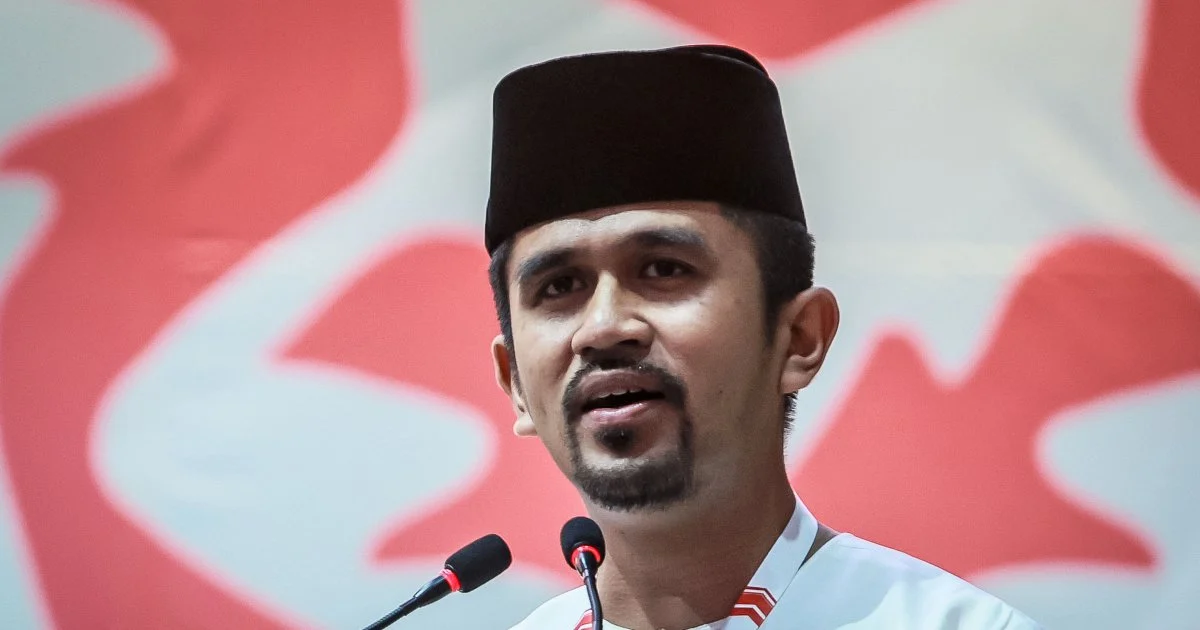
Umno Youth secretary-general Hafiz Ariffin has stepped up scrutiny of Pakatan Harapan's election strategy in Johor, questioning the strategic decision to exclude several senior party figures from the candidate roster for the July 11 state election. The challenge, levelled by the Barisan Nasional coalition partner, suggests growing political theatre as both camps prepare for what promises to be a closely contested contest in the strategically important southern state.
The observation by Hafiz Ariffin carries particular weight given his position within Umno's youth wing, which typically serves as the coalition's attack force during election campaigns. By raising the question of why these prominent Johor PH personalities have been sidelined, BN is attempting to cast doubt on the opposition's unity and conviction heading into the polls. In Malaysian politics, such questioning often implies weakness or infighting within an opposing coalition—a narrative that can gain traction with voters uncertain about which camp offers the stronger alternative.
Johor represents more than a routine state election on Malaysia's political calendar. As the southern anchor of the peninsula and a consistent stronghold for various political configurations, the state has historically signalled broader shifts in national sentiment. Control of Johor carries symbolic weight beyond its 56 state assembly seats; it demonstrates whether an incumbent or challenger can command rural and semi-urban voters who form the backbone of Johor's electorate. For PH, which has governed the state since 2018, maintaining influence here is essential to its national standing.
The absence of senior figures from any party's candidate list typically raises questions about internal dynamics. In Malaysian politics, when experienced leaders decline or are not selected to contest, observers scrutinise whether this reflects party consensus on electoral strategy, personal circumstances, or potential tension between top brass and grassroots organisers. The decision to field a particular slate of candidates involves calculations about seat-by-seat viability, demographic shifts in constituencies, and the desire to promote emerging figures while potentially retiring veterans.
For Pakatan Harapan, the strategic reasoning behind candidate selection extends beyond simple electoral mathematics. The coalition has consistently faced questions about succession planning and whether its first tier of leaders can transition power smoothly to the next generation. Deploying experienced figures in every winnable seat is one approach; deliberately rotating leaders out to broaden the party's appeal and test new talent is another. Both carry political consequences that rival camps will exploit.
BN's central position in Malaysian politics since independence means that Umno Youth's interventions carry procedural weight. The wing functions as an ideological and organisational apparatus, mobilising party grassroots and articulating the coalition's message to younger voters. Hafiz Ariffin's questioning suggests BN intends to hammer PH on unity and leadership credibility throughout the campaign period, framing the absence of top figures as evidence of weakness or internal disagreement over strategy and direction.
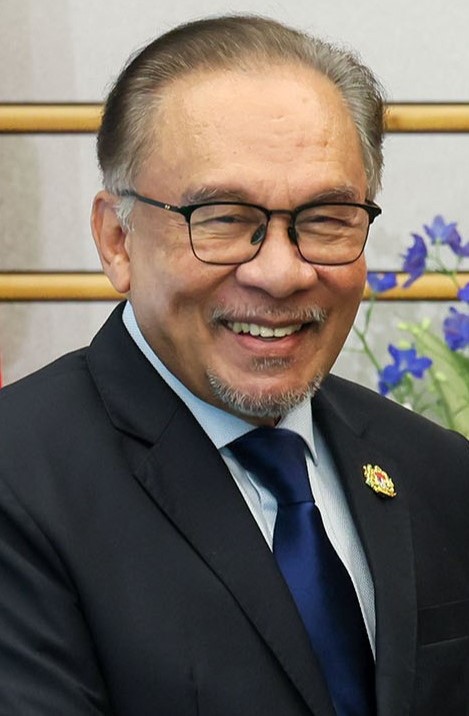
The July 11 election in Johor occurs within a broader context of political flux across Malaysia. The federal coalition under Prime Minister Anwar Ibrahim depends significantly on Johor's stability and its contribution to coalition mathematics in parliament. If BN can significantly improve its position in Johor or deny PH crucial seats, the ramifications would extend beyond the state assembly to federal-level dynamics and Anwar's governing capacity. This heightens the stakes of every tactical decision, including who gets nominated as candidates.
From a voter perspective, the questioning illustrates how Malaysian electoral campaigns increasingly focus on candidate quality and party coherence. Johor voters, particularly in urban and suburban areas, have demonstrated sophistication in assessing leadership credentials and party track records. Both coalitions understand that confidence matters: voters want to see established leaders standing for re-election, signalling faith in their own records, or they want to see promising newcomers backed by party heavyweights. Confusion about either dynamic provides ammunition for opponents.
The candidacy question also reflects resource allocation realities. Not every senior party figure can contest every election simultaneously. Major leaders typically focus on securing their own constituencies while taking on broader strategic roles in campaign coordination, media engagement, and fundraising. Understanding where top leadership deploys itself and where they abstain reveals much about a party's internal priorities and its assessment of which constituencies genuinely remain competitive.
For PH specifically, the coalition comprises multiple parties with distinct bases, organisational structures, and leadership hierarchies. Deciding how many slots go to each partner, how to balance representation with electoral viability, and which figures get priority placement involves complex negotiations that Hafiz Ariffin's questioning implicitly highlights. If BN can successfully frame PH's candidate selection as evidence of fractious coalition management, it potentially weakens PH's broader messaging about unity and competence.
The campaign dynamic thus set will likely intensify over coming weeks. BN will continue probing PH's strategic choices, hoping to generate doubt among voters about the opposition's conviction and stability. PH must convincingly explain its candidate selection while defending its state government record and articulating a forward vision compelling enough to overcome any perception of hesitation or internal discord. In Johor's closely competitive political environment, such narratives often prove as decisive as policy positions themselves.